#Product Trends
Guardians of Temperature & Humidity for Power Control Cabinets
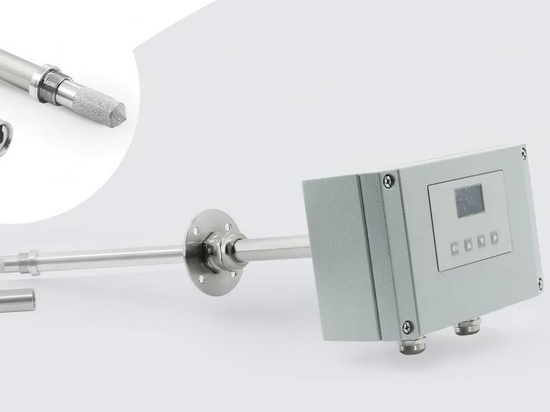
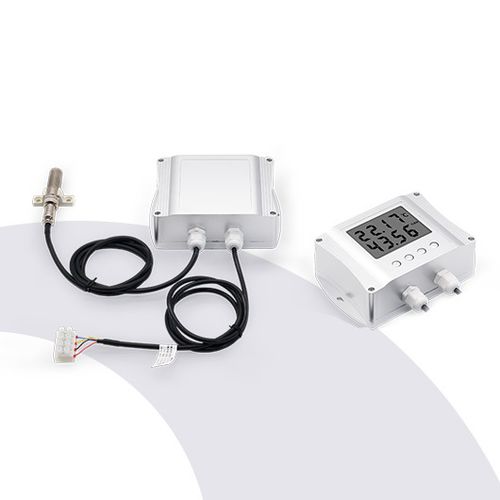
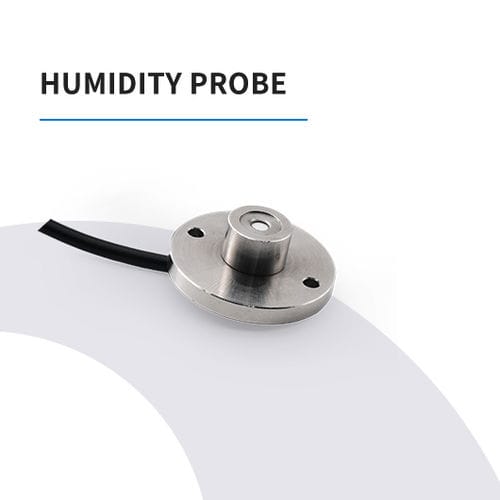
DB510-DB150 Humidity and Temp Transmitter
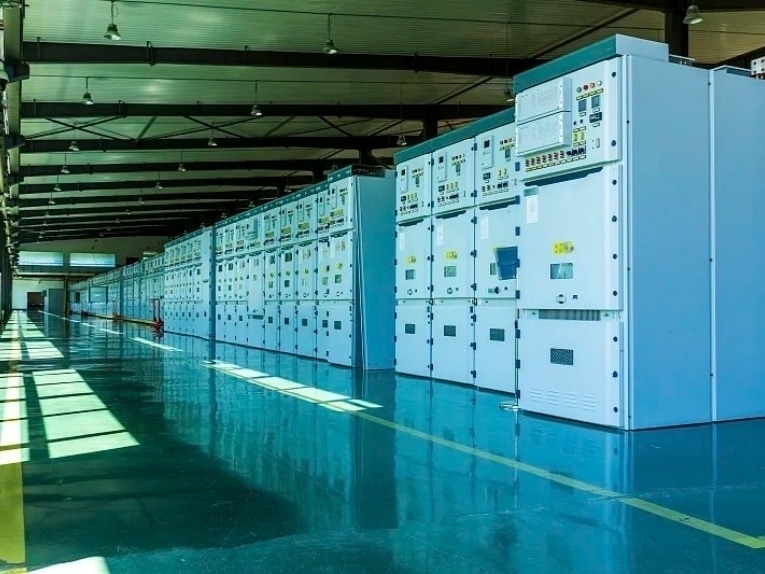
As the "command hub" of power systems, stable internal temperature and humidity in power control cabinets are critical to ensuring the reliable operation of precision components such as relays and PLC modules. Once the temperature exceeds the 15-30℃ range or humidity surpasses 60% RH, it may lead to accelerated component aging, contact corrosion, or even short circuits and tripping. A bank of 10kV power control cabinets at an urban rail transit substation struggled with frequent failures due to inaccurate temperature and humidity monitoring—until the combination of DB510 and DB150 built a reliable environmental protection network.
DB510-DB130-22.jpg
"Temperature Difference Traps" and "Humidity Crises" in Control Cabinets
The 12 power control cabinets at the substation are responsible for dispatching metro traction power. Problems that emerged during operation plagued the operation and maintenance team:
• Frequent "high-temperature warnings" in summer: Direct noon sunlight caused cabinet temperatures to soar from 25℃ to 33℃ (exceeding the 30℃ upper limit), delaying PLC module responses and triggering a short-term fluctuation in traction power;
• "Invisible corrosion" during rainy seasons: Cabinet humidity often reached 65% RH, leading to patina on terminal blocks. Within six months, three signal interruptions occurred due to poor contact, each requiring 2 hours of power outage for troubleshooting;
• "Dual failure" of traditional sensors: Previously installed sensors had a temperature measurement deviation of ±2.5℃ (far exceeding the ±1℃ requirement) and humidity data drift caused by dust accumulation, rendering the alarm function useless.
The root cause lies in the strict environmental requirements of power control cabinets: temperature must be stable at 15-30℃ (accuracy ±1℃), humidity controlled below 60% RH (accuracy ±3%), and sensors must withstand dust, occasional moisture, and sudden temperature changes (e.g., 5℃/min fluctuations from cooling fan start-stop) inside the cabinets.
Targeted Adaptation of DB510-DB150: From Parameters to Scenarios
The DB510-DB150 combination precisely meets the core needs of power control cabinets through dual advantages in technical parameters and structural design:
Application Effects: From "Passive Maintenance" to "Proactive Protection"
After deploying DB510-DB150, the operating status of the control cabinets improved significantly:
• Temperature and humidity stability: Annual temperature stabilized at 22±0.5℃, humidity at 55±2% RH—fully complying with the 15-30℃ and ≤60% RH standards. No component failures caused by environmental factors have occurred since;
• Operational efficiency: Sensor calibration cycle extended from 3 months to 1 year, terminal block corrosion rate reduced by 90%, and annual power outage maintenance reduced by 4 times;
• System reliability: PLC module response delays eliminated, traction power fluctuations dropped to zero, providing solid support for the safe operation of the metro.
Summary
With high-precision measurement, stainless steel corrosion-resistant structure, and flexible intelligent linkage functions, the DB510 paired with DB150 probe perfectly meets the strict temperature and humidity requirements of power control cabinets. Its application in rail transit substations proves that this combination can effectively block the fault chain caused by excessive temperature and humidity, making it an ideal choice for environmental monitoring of power control cabinets.