#Product Trends
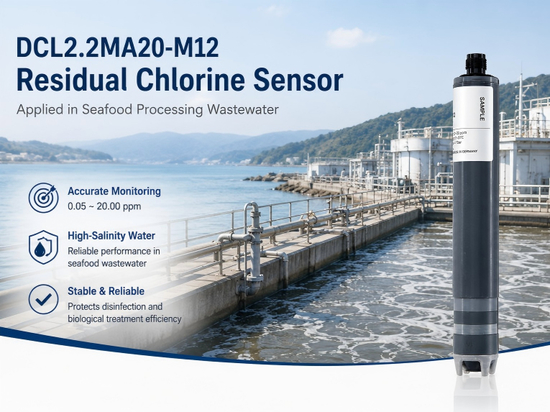
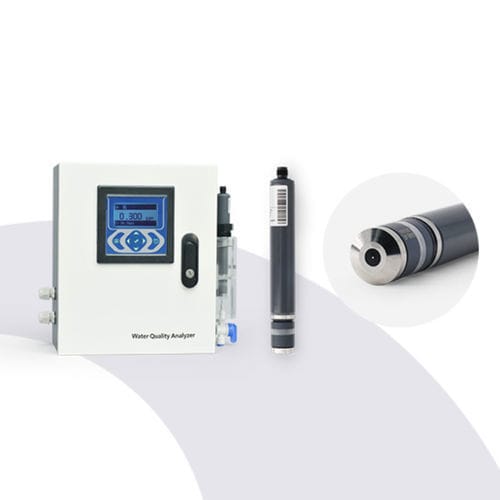
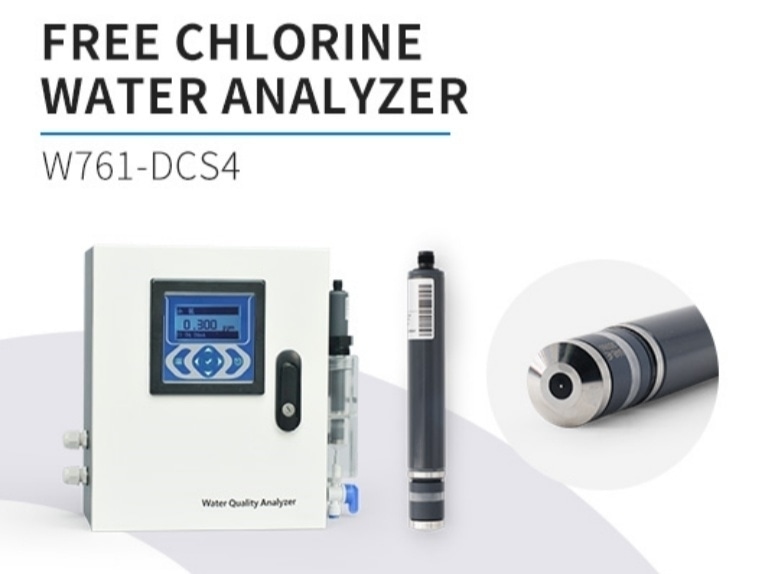
W761-DCS4MA2-M12 Residual Chlorine Sensor for Industrial Wastewater Effluent
CS4 free chlorine sensor
A wastewater treatment plant in a chemical park uses sodium hypochlorite as the disinfectant for effluent disinfection. The residual chlorine in the effluent must be controlled within 0.1~0.5ppm (internal enterprise standard) to avoid adverse impacts on the surrounding aquatic ecosystem caused by excessive residual chlorine. The previously used monitoring equipment had obvious defects: in the low concentration range of 0.1~0.5ppm, the measurement deviation reached ±0.05ppm, often misjudging the actual 0.08ppm (substandard) as 0.13ppm (standard), leading to incomplete disinfection. Additionally, the pH value of the wastewater fluctuated between 6.5~8.0, and the water temperature varied with seasons from 10~35℃. Traditional sensors required calibration twice a month, resulting in cumbersome maintenance and potential data deviations due to untimely calibration.
After installing W761-DCS4MA2-M12, real-time monitoring of residual chlorine concentration is integrated with the wastewater treatment plant's automatic control system. The dosing pump automatically starts when residual chlorine is below 0.1ppm and stops when it exceeds 0.5ppm, achieving precise control. The membrane cap replacement cycle of the equipment is 1 year, and the electrolyte is replaced once a year, reducing maintenance frequency by 90% compared to traditional equipment. After application, the residual chlorine in the effluent is stabilized at 0.1~0.45ppm with a measurement deviation ≤0.01ppm, and no more misjudgments have occurred. The annual maintenance cost is reduced by 80%, and the equipment has operated continuously for 12 months without faults, providing reliable monitoring support for the compliant discharge of industrial wastewater.