#Product Trends
Precision Temperature & Humidity Monitoring Network for High-Traffic Transit Hubs
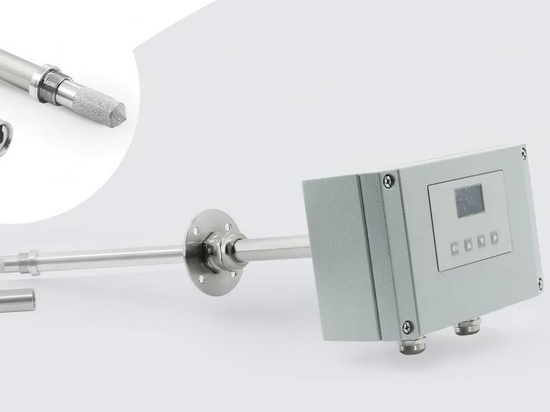
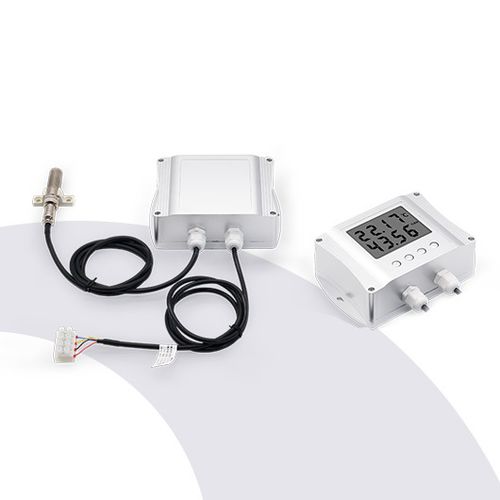
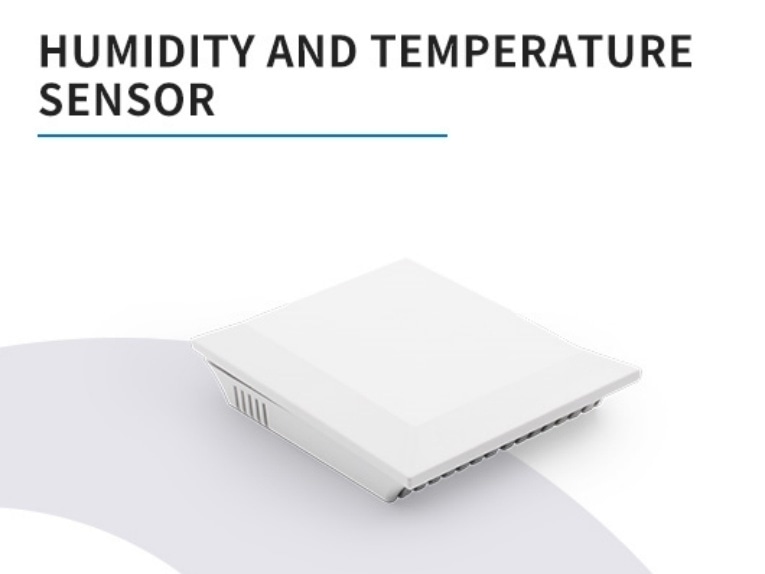
DB485197 Temperature & Humidity Sensor
Precision Temperature & Humidity Monitoring Network for High-Traffic Transit Hubs
In a major metropolitan interchange station, daily passenger flow exceeds 300,000 people. During peak hours, significant temperature and humidity fluctuations in the concourse led to passenger discomfort—especially in summer, when humidity frequently exceeded 70% RH, triggering complaints of stuffiness and poor air quality.
To address these challenges, the station deployed DABECO DB485197 Temperature & Humidity Sensors to build a grouped, distributed monitoring network, enabling precise environmental control, improved passenger comfort, and optimized energy consumption.
System Architecture & Deployment
Concourse Level:
6 × DB485197 sensors installed at 1.5 m height, avoiding direct airflow outlets
Platform Level:
8 × DB485197 sensors mounted above platform screen doors to monitor piston wind effects
Equipment Rooms:
All devices are connected via a Modbus RS485 bus (≥0.75 mm² cable, 120 Ω terminal resistance) to a central PLC, which dynamically adjusts fresh air units and chilled water valve openings. Data is then visualized and managed through the station BMS platform.
Anti-Interference Design
Sensors equipped with dust covers (IP30) to resist metro particulate pollution
RS485 cables routed through metal conduits to minimize electromagnetic interference from VFDs
3. Intelligent Energy-Saving Control
Sensors transmit self-check frames every 24 hours (with CRC verification)
Faults automatically trigger alarms on the BMS platform
Remote calibration supported via Modbus parameter writing (e.g. humidity +1.5% RH)
DB485197 has become a key building block in smart metro environmental control systems, supporting safer, greener, and more comfortable urban transit.