#Product Trends
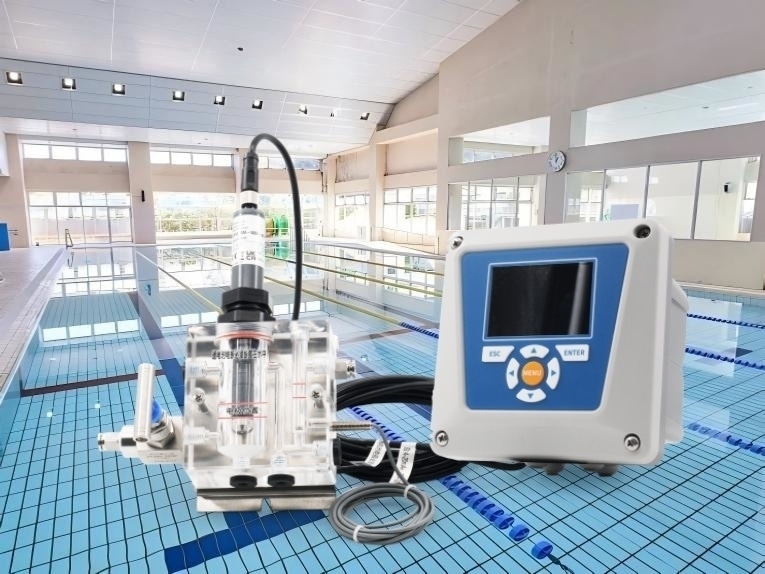
How CC1 Free Chlorine Sensor Ensures Accurate Chlorine Measurement
With Surfactant Interference in Swimming Pools
In a community swimming pool in the south of the city, evenings are the busiest time, especially with children enjoying the water. However, the pool manager, Ms. Chen, had been struggling with unstable residual chlorine readings. Although disinfectant dosing followed standard procedures, the displayed values fluctuated significantly — showing 0.9 mg/L (within the standard 0.3–1.0 mg/L range), then dropping to 0.2 mg/L within 30 minutes, and rising again to 0.7 mg/L.
At the same time, a thin layer of foam often appeared on the water surface. This foam was caused by surfactants from swimmers’ shampoo and body wash residues. Acting as an “invisible barrier,” these substances severely interfered with traditional chlorine sensors.
Challenges Caused by Surfactants in Pool Water
The pool receives over 200 swimmers daily, with peak numbers exceeding 300 on weekends. Surfactants accumulate in the water, reaching concentrations of 0.7–1.2 mg/L, leading to several critical issues:
1. Inaccurate Data Leading to Poor Decisions
2. pH Fluctuations Increase Measurement Errors
3. High Maintenance Costs
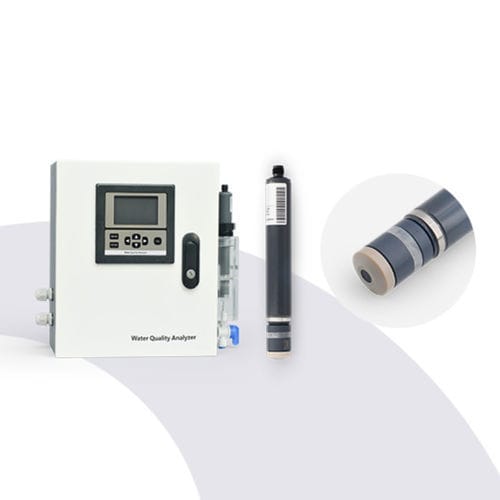
After switching to the CC1 free chlorine sensor, these issues were effectively resolved. Designed for demanding water conditions, it delivers stable and reliable performance even in surfactant-rich environments.
✔ Excellent Resistance to Surfactants
✔ Minimal pH Dependency
✔ Low Maintenance, Long Service Life
After 3 months of operation:
Residual chlorine stabilized at 0.5–0.9 mg/L
Measurement deviation remained within ±0.05 mg/L
Skin irritation complaints dropped from 3 cases per month to zero
Daily maintenance time reduced by 2 hours
Total annual operating cost savings of approximately ¥5,000
Conclusion
In swimming pool applications where surfactants are unavoidable, traditional sensors often fail to deliver reliable data. The CC1 free chlorine sensor (German-made) provides a robust, accurate, and low-maintenance solution, enabling operators to move from guessing data to trusting data.
If your chlorine monitoring system struggles with foam interference or unstable readings, upgrading your sensor technology can make all the difference.