#Product Trends
Stable Residual Chlorine Monitoring in Boiler Circulating Water
Using the W771 Chlorine Analyzer
Reliable residual chlorine monitoring is a critical requirement in industrial water treatment systems, especially in food processing plants where boiler circulating water must maintain stable disinfection conditions. Accurate chlorine control ensures safe operation, prevents microbial growth, and supports consistent process performance.
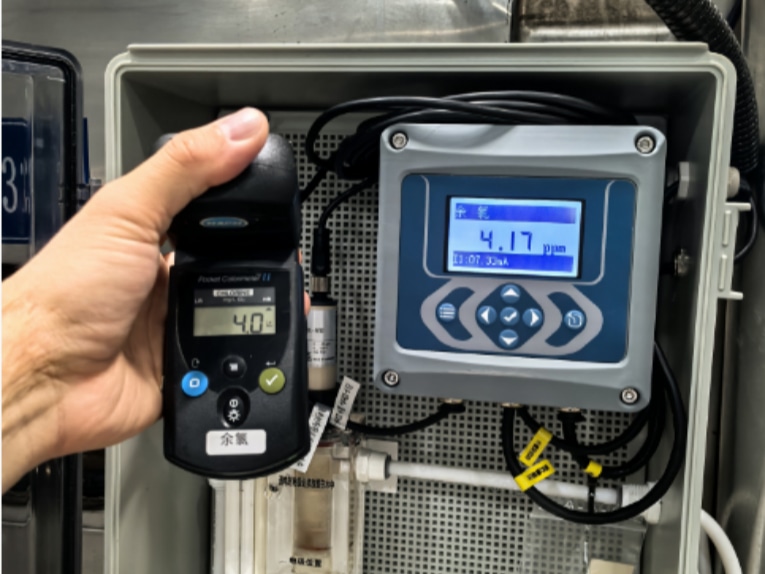
A meat processing plant recently implemented the **W771 Residual Chlorine Analyzer** to improve monitoring stability in its boiler circulating water system, replacing conventional sensors that failed to provide consistent readings.
Application Background
The boiler circulating water at the facility operates under moderate but variable conditions. The residual chlorine concentration is maintained within a controlled range of **0.5–1.0 mg/L** to ensure effective disinfection while avoiding excessive chemical dosing.
The water temperature typically remains around **35°C**, but during summer operation it may rise to **41°C**, occasionally approaching **45°C**. In addition, the system contains suspended impurities and minor contaminants that can interfere with sensor performance.
Previously installed constant-voltage residual chlorine sensors showed significant signal fluctuations, especially under changing temperature and impurity conditions. This made accurate process control difficult and increased operational uncertainty.
Technical Challenges
The main challenges in this application included:
1. **Sensor fouling caused by impurities**
Particulate matter and organic residues in the circulating water frequently affected electrode stability.
2. **Temperature sensitivity**
Elevated water temperatures caused measurement drift in conventional sensors.
3. **Unstable chlorine readings**
Fluctuations in output signal reduced confidence in real-time water quality control.
4. **High maintenance frequency**
Frequent calibration and cleaning were required to maintain acceptable performance.
These issues highlighted the need for a more robust and stable residual chlorine measurement solution.
Solution: W771 Residual Chlorine Analyzer
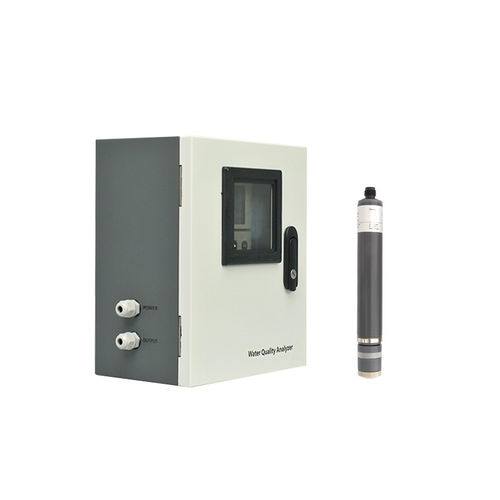
To address these challenges, the plant deployed the **W771 Residual Chlorine Analyzer**, equipped with a high-performance German RG chlorine sensor designed for demanding industrial water environments.
Key technical features include:
* Strong anti-fouling electrode design for contaminated water conditions
* Resistance to surfactants and process-related chemical interference
* Built-in automatic temperature compensation for stable measurement accuracy
* Reliable operation in water temperatures up to 45°C
* High stability in low-concentration chlorine ranges (0.5–1.0 mg/L)
The analyzer provides continuous online monitoring, ensuring real-time visibility of residual chlorine levels in the boiler water system.
Performance and Results
After installation, the system demonstrated significant improvements in measurement stability and operational efficiency.
Improved Measurement Stability
The W771 eliminated the severe signal fluctuations previously experienced, delivering smooth and reliable chlorine readings even under varying temperature and impurity conditions.
Enhanced Process Control
Stable real-time data allowed operators to maintain chlorine concentration within the target range more precisely, improving overall water treatment control.
Reduced Maintenance Requirements
The anti-fouling design significantly reduced electrode cleaning frequency and calibration needs, lowering maintenance workload.
Reliable High-Temperature Operation
The analyzer maintained consistent performance even during summer conditions when water temperatures approached 45°C.
Conclusion
The implementation of the **W771 Residual Chlorine Analyzer** significantly improved the stability and reliability of boiler circulating water monitoring in the meat processing plant.
With its anti-fouling capability, temperature compensation function, and high measurement stability, the W771 is well-suited for industrial applications involving warm and impurity-containing water systems.
It provides a dependable solution for food processing plants, boiler water systems, and industrial water treatment facilities requiring accurate residual chlorine monitoring and long-term operational stability.