#Industry News
The "Invisible Interference" in Community Pools
How DCC1MA2-M12 Free Chlorine Sensor Solves It Precisely
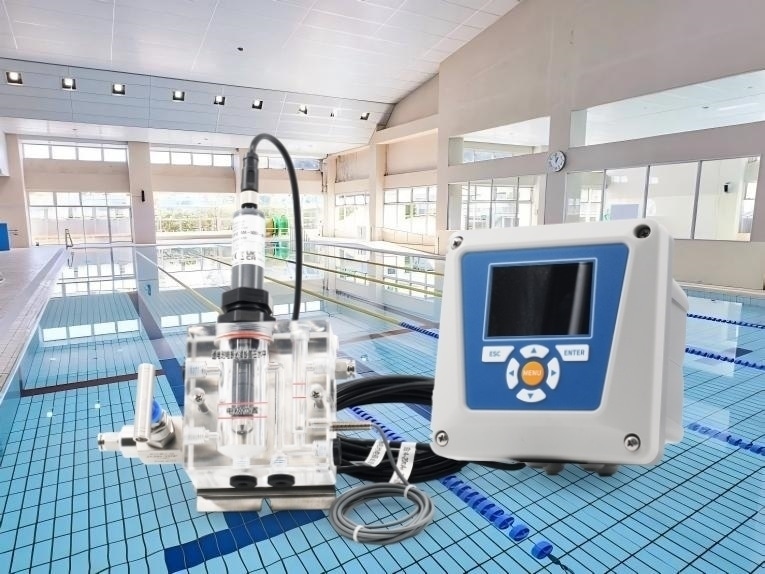
Evening crowds turn South City Community Pool into a busy family spot—but unstable free chlorine readings and surfactant foam plagued daily operations. Standard disinfection failed to keep levels steady (0.3–1.0mg/L); readings swung wildly from 0.9mg/L to 0.2mg/L in 30 minutes. Shampoo and body wash residues built up a surfactant layer that crippled conventional sensors.
Surfactant‑Driven Failures
False Readings & Safety Risks: Surfactants coat sensor membranes, distorting real chlorine levels. Bad data led to wrong dosing, emergency closure, and resident complaints.
pH Sensitivity: Frequent pH swings (6.9–8.1) widened errors to ±0.18mg/L, forcing twice‑daily manual calibration.
High Upkeep: Short membrane life, frequent electrolyte refills, and water waste pushed annual maintenance to ~$600.
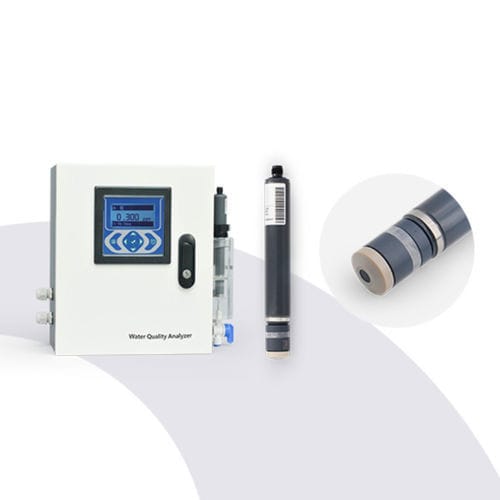
DCC1MA2-M12: Targeted Fix for Foamy Pools
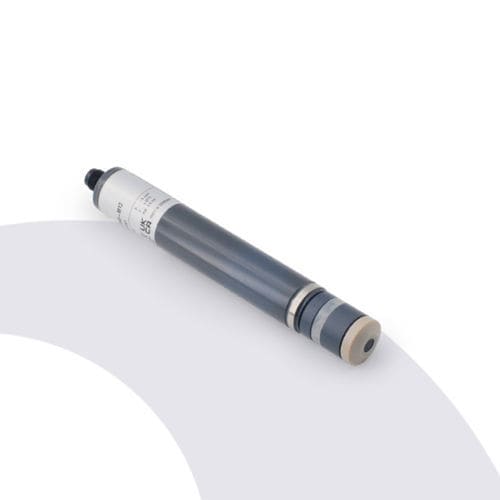
Anti‑Interference Sensing: Measures 0.005–2.000ppm, ±0.04mg/L error even at 1.2mg/L surfactants. Special microporous membrane resists foam adhesion.
pH‑Stable Accuracy: Wide pH tolerance (4–12) keeps error <0.03mg/L through fluctuations; weekly checks replace daily calibration.
Low‑Cost, Long‑Life: 1‑year membrane lifespan, IP68 waterproof 5‑core M12 connector; annual maintenance ~$120.
3‑Month Outcomes
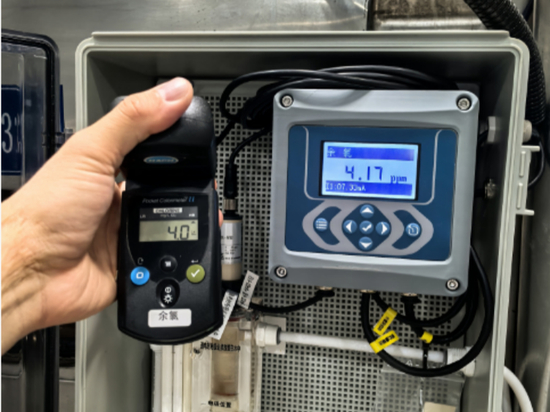
Free chlorine stabilized at 0.5–0.9mg/L; skin irritation complaints eliminated.
2 hours daily calibration saved; operations stay smooth in peak season.
80% lower consumable cost + water savings cut annual expenses by ~$750.
DCC1MA2-M12 delivers reliable, interference‑proof water quality monitoring—your invisible guardian for safe, stable community pools.