
#Industry News
Ultrasonic Antifouling System: How It Works, Effectiveness, Installation, and Limitations
Ultrasonic Antifouling System: How It Works, Effectiveness, Installation, and Limitations
What ultrasonic antifouling is designed to do
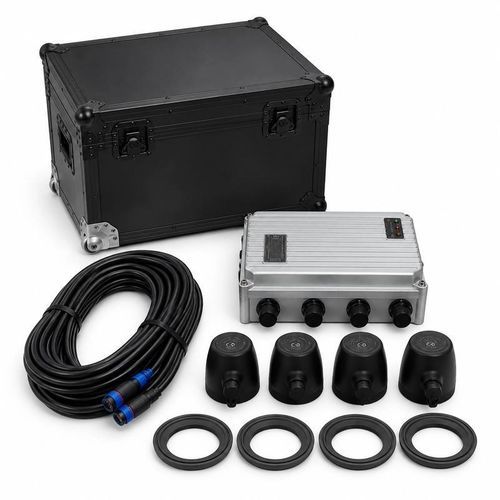
A marine ultrasonic antifouling system drives bonded transducers so vibration propagates through a hull, sea chest, tank or other protected structure. The objective is to make the surface less favorable for early biological attachment and growth. It is a preventive system, not a tool for instantly removing a mature layer of barnacles or heavy fouling.
Results depend on the structure, installation, operating time, vessel activity, water conditions and organisms present. Treat claims of universal or permanent protection cautiously. The correct engineering question is whether the system can reduce fouling pressure and maintenance for the specified surfaces under the vessel’s actual service profile.
How vibration reaches the wet surface
The controller excites piezoelectric transducers bonded to the dry side of the structure. Their vibration couples into the material and spreads as structural waves. Multiple operating frequencies or swept excitation may be used to avoid relying on one narrow response. The underwater surface experiences small mechanical motion rather than a high-power cleaning event in the surrounding water.
Transmission changes at stiffeners, bulkheads, bonded cores, joints and changes of material. A fiberglass laminate, solid metal plate and sandwich construction do not distribute vibration in the same way. The complete BBUAF ultrasonic marine antifouling system must therefore be configured around the protected structure, not selected from vessel length alone.