#Product Trends
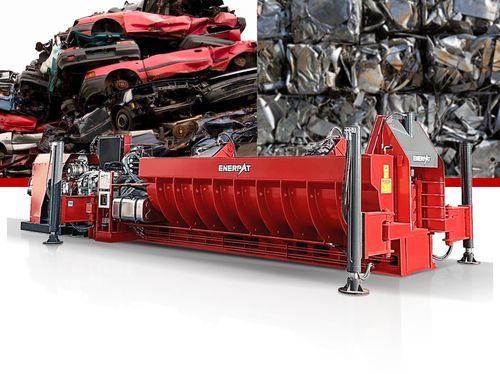
Car Baler Selection Guide: Key Differences in Hydraulic Design, Durability and Operating Efficiency
Selecting a car baler requires more than comparing purchase price or compression force. Hydraulic design, engine performance, wear resistance, bale dimensions, and long-term reliability all influence productivity and operating costs.
Why Car Baler Design Matters in Scrap Vehicle Recycling
A car baler is an essential machine for end-of-life vehicle (ELV) recycling facilities, scrap yards, and metal recovery operations.
By compressing vehicle bodies into dense bales, a car baler helps:
Reduce storage space requirements
Improve transportation efficiency
Lower handling costs
Prepare scrap metal for further processing
However, different machines can deliver very different results depending on their engineering design.
1. Hydraulic System: 6-Cylinder Design vs Conventional 4-Cylinder Systems
The hydraulic system is one of the most important factors affecting compression performance.
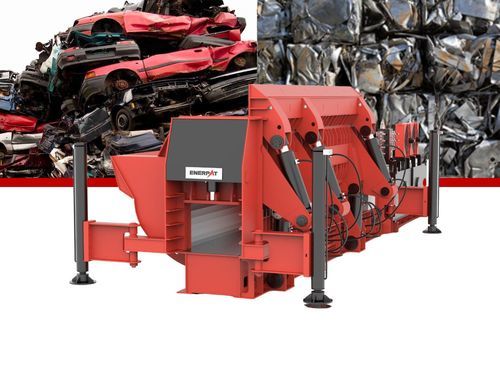
High-performance car balers use multiple hydraulic cylinders to distribute force evenly across the compression chamber.
Enerpat engineering approach:
Six-cylinder hydraulic system
Dual-lid compression structure
Balanced force distribution
Improved compression stability
Compared with conventional four-cylinder systems, the six-cylinder design provides:
Higher compression force
Faster operating cycles
More consistent bale density
For recycling operations processing high volumes of vehicles, hydraulic efficiency directly impacts daily productivity.
2. Engine Performance: Reliable Power for Continuous Operation
The engine provides the power required for hydraulic compression.
For heavy-duty recycling applications, engine reliability is critical because the machine often operates under high load conditions.
Enerpat configuration:
Cummins six-cylinder industrial engine
Strong torque output
Stable hydraulic power supply
Suitable for continuous heavy-duty operation
Compared with smaller engine configurations, higher power reserves help maintain stable performance when processing dense vehicle structures.
3. Wear Resistance: Hardox 500 Compression Chamber Protection
The compression chamber experiences continuous friction from vehicle steel components.
Wear plate selection directly affects maintenance requirements and machine lifespan.
Enerpat design:
Hardox 500 wear-resistant steel
Higher hardness compared with Hardox 400/450 grades
Improved abrasion resistance
Benefits include:
Longer service intervals
Reduced replacement frequency
Lower maintenance downtime
For recycling facilities operating daily, wear-resistant materials help maintain long-term productivity.
4. Machine Structure: Heavy-Duty Frame for Stable Operation
Structural strength is another important factor when selecting industrial recycling equipment.
A heavier machine frame generally provides:
Better stability during compression
Reduced vibration
Improved long-term durability
Enerpat car balers feature a reinforced structure with an approximate machine weight of 32 tons, designed for demanding scrap recycling environments.
5. Bale Dimensions: Optimizing Transportation Efficiency
Bale dimensions affect not only storage but also transportation costs.
Through practical testing with Australian recycling operators, a bale length of approximately 2.2 meters has been found to provide efficient container loading performance.
Advantages include:
Better container space utilization
More bales loaded per shipment
Reduced transportation cost per ton
For international scrap exporters, bale size optimization can significantly improve logistics efficiency.
6. Compression Chamber Size and Customization Options
The compression chamber must match the vehicles being processed.
A 5-meter chamber can accommodate most passenger vehicles and common scrap vehicle sizes.
For special applications involving larger vehicles, customized chamber dimensions can be designed according to customer requirements.
This flexibility allows recyclers to select equipment based on their actual material flow.
7. Labor Efficiency: Front Bale Ejection System
Machine operation design also affects labor requirements.
A front push-out bale discharge system provides:
Simple operation
Reduced manual handling
Lower operator requirements
Compared with systems requiring additional mechanical handling, front discharge improves workflow efficiency.
8. Additional Engineering Features
Advanced car baler designs may include:
Optional cutting blades
Allow oversized materials to be processed without extensive pre-cutting.
Ball joint cylinder connection
Helps compensate for alignment changes and reduces cylinder stress.
Oil cooling system
Maintains stable hydraulic temperature during long working periods and hot climate conditions.
Hydraulic support legs
Enable mobile operation without permanent foundation installation.
Anti-leak hydraulic fittings
Improve hydraulic system reliability under vibration.
9. Real Application Verification in Australia
Performance data is most valuable when verified in real operating conditions.
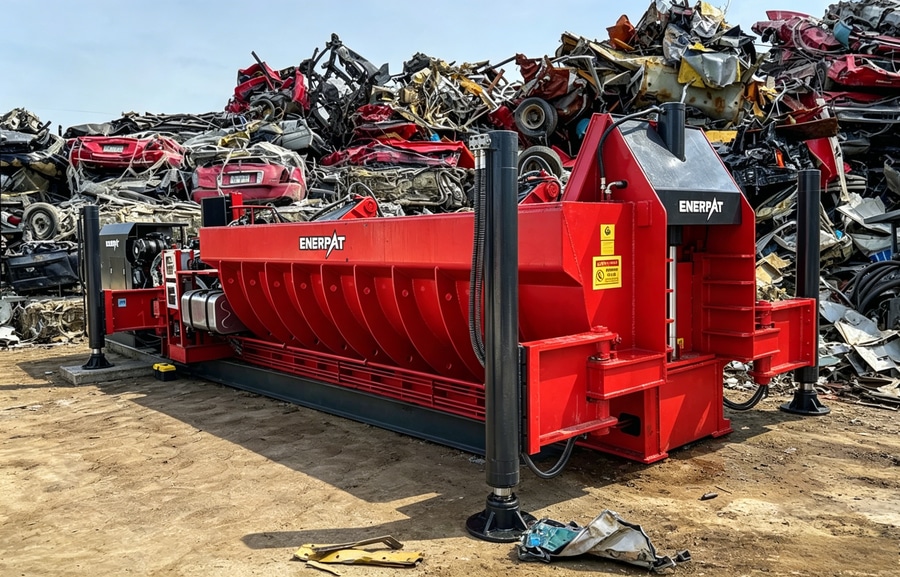
Enerpat has installed car balers at customer sites in Australia, where machines are operating in actual scrap recycling environments.
Customers can arrange site visits to observe:
Machine operation
Compression performance
Bale quality
Working efficiency
Real-world operation provides a more accurate understanding than specifications alone.
Conclusion: Choosing a Car Baler Based on Total Operating Value
A professional car baler should be evaluated by its complete operating performance, not only initial purchase price.
Important selection factors include:
Hydraulic system design
Engine reliability
Wear-resistant materials
Structural strength
Bale size optimization
Labor efficiency
After-sales support
For scrap recycling companies, the right equipment can improve productivity, reduce operating costs, and create long-term value.