#Industry News
Horizontal Baler Buying Guide: How to Choose the Right Baler for Recycling
But what is a baler? How does a baler work? How much does a baler cost? This guide explains the basics of balers and how to choose the right automatic horizontal baler for your recycling operation.
What Is a Baler?
A baler is an industrial machine that compresses loose recyclable materials into compact bales.
By reducing material volume, a baler helps companies:
Save storage space
Reduce transportation costs
Improve recycling efficiency
Increase the value of recyclable materials
Common materials processed by balers include:
Cardboard and waste paper
Plastic bottles and films
Aluminum cans
Textile waste
Industrial packaging waste
What Does Baler Mean?
The word baler comes from “bale”, which means a compressed package of materials.
A baler is a machine that uses mechanical or hydraulic force to create dense bales for easier handling, storage, and transportation.
The main types include:
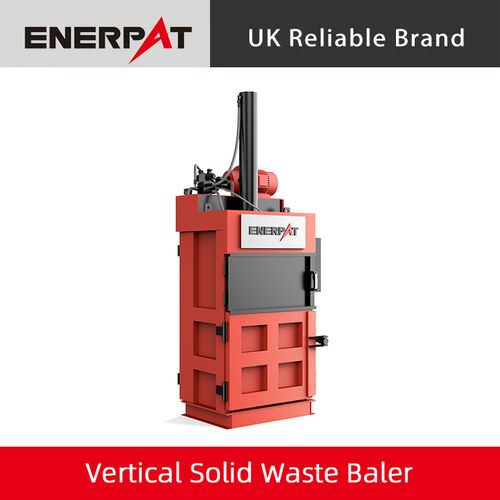
Vertical Baler
Suitable for small businesses with lower recycling volumes.
Horizontal Baler
Designed for medium and large recycling facilities requiring higher production capacity.
Automatic Horizontal Baler
A fully automated solution for continuous material processing.
How Does a Baler Work?
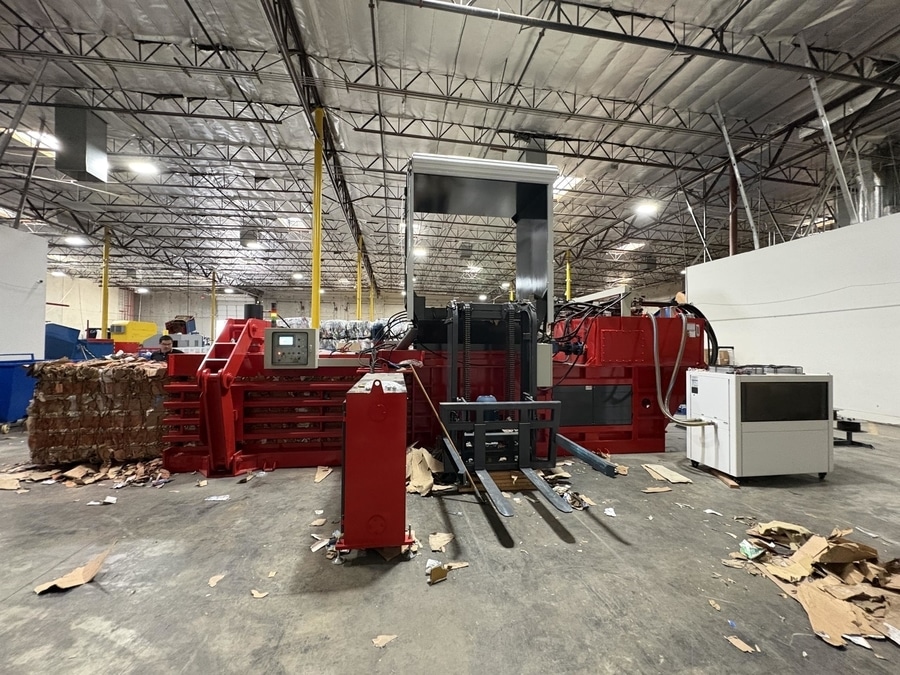
A horizontal baler uses hydraulic pressure to compress materials into high-density bales.
The basic process includes:
1. Feeding
Materials are loaded into the hopper or conveyor system.
2. Compression
The hydraulic ram pushes materials into the compression chamber to form dense bales.
3. Automatic Tying
The machine automatically ties the bale with wire after reaching the preset length.
4. Bale Discharge
Finished bales are automatically discharged for storage or transportation.
How Much Does a Baler Cost?
The cost of a baler depends on several factors:
Material Type
Different materials require different compression forces and machine designs.
Capacity
Higher throughput requires stronger hydraulic systems and larger equipment.
Automation Level
Automatic balers cost more initially but reduce labor costs and improve production efficiency.
Machine Configuration
Important factors include:
Compression force
Bale size
Motor power
Hydraulic system
Electrical components
A reliable industrial baler can provide better long-term value through lower maintenance and higher productivity.
How to Choose the Right Horizontal Baler?
Before purchasing a baler, consider:
1. Material and Daily Output
Determine:
What materials you process
How many tons per day you need to handle
Different recycling applications require different machine configurations.
2. Bale Size Requirements
The right bale size affects:
Storage efficiency
Transportation cost
Material handling
Larger and denser bales usually reduce logistics costs.
3. Compression Performance
A high-quality horizontal baler should provide:
Stable hydraulic operation
High bale density
Reliable continuous production
4. Automation Level
For high-volume recycling facilities, an automatic horizontal baler can significantly reduce labor requirements and improve efficiency.
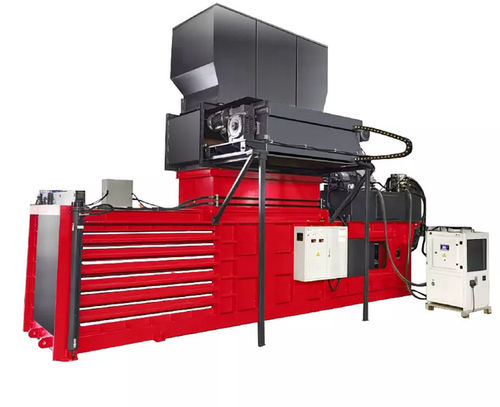
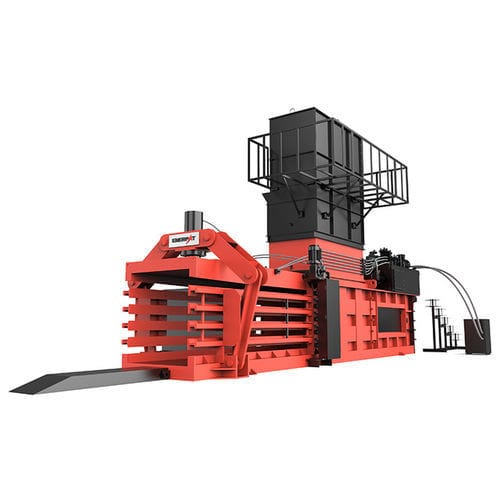
ENERPAT Automatic Horizontal Baler
The ENERPAT Auto Tie Horizontal Baler is designed for large-scale recycling operations processing materials such as:
Cardboard
Waste paper
Plastic bottles
Plastic film
Industrial waste
Aluminum cans
With capacity up to 20 tons per hour, ENERPAT horizontal balers produce dense, stable bales that improve storage and transportation efficiency.
Key Features of ENERPAT Horizontal Baler
Three-Way Compression System
Multiple hydraulic cylinders provide strong compression force for:
Higher bale density
Better bale shape
Reduced transportation costs
Reliable Hydraulic System
Designed for continuous industrial operation with:
Stable performance
Efficient energy use
Long service life
Automatic Tying System
The automatic tying system enables:
Fully automatic bale production
Reduced manual labor
Consistent bale quality
Industrial Control System
Equipped with reliable electrical components and PLC control for safe and efficient operation.
Conclusion
Choosing the right baler depends on your material type, processing capacity, bale requirements, and automation needs.
For companies handling large volumes of recyclable materials, ENERPAT automatic horizontal balers provide an efficient solution with high productivity, reliable performance, and reduced operating costs.