#Industry News
The Real Cost of Manual Welding in 2026
Most fabricators think welding is their biggest cost. It isn't — the real cost is everything surrounding the weld.
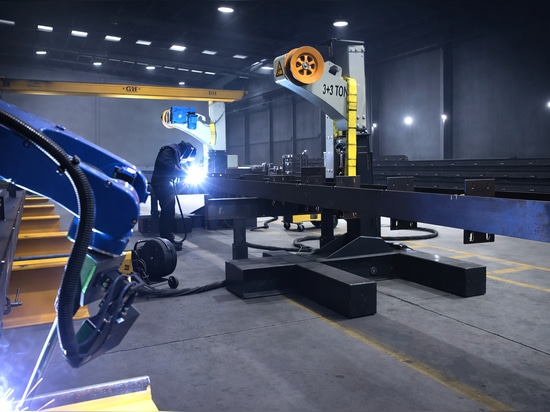
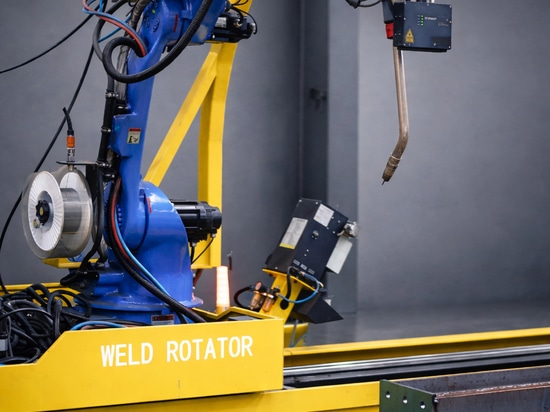
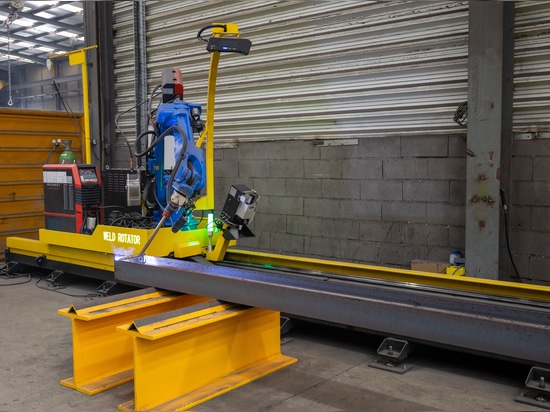
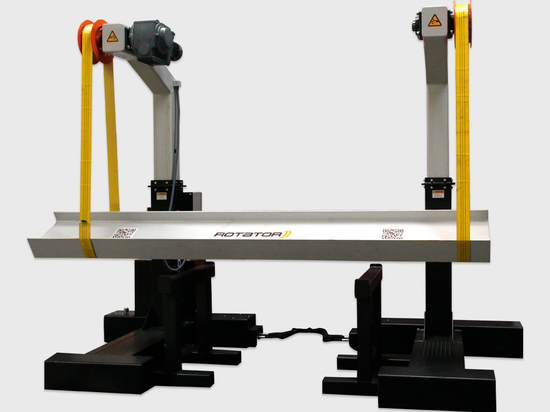
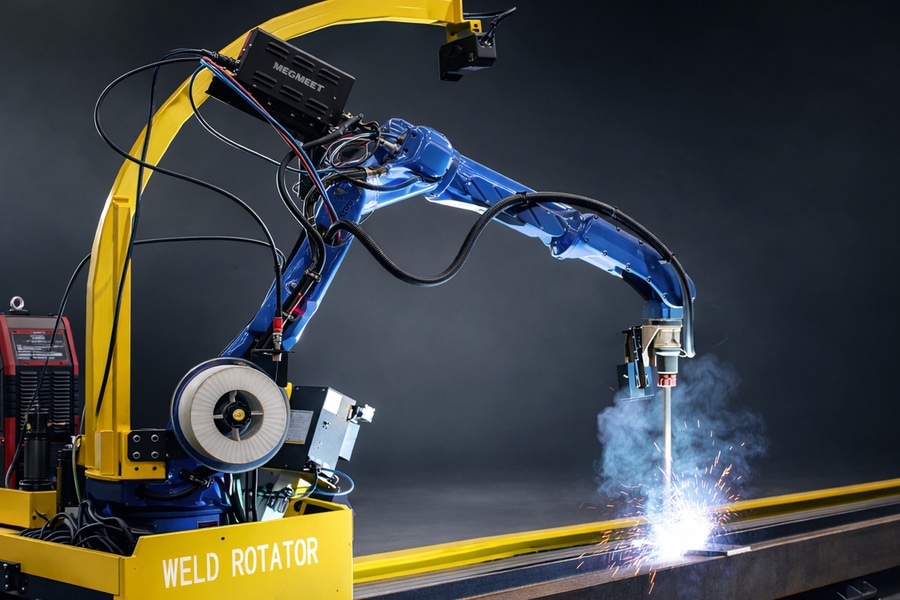
Most fabrication companies still believe their biggest cost is welding itself. It isn't. The real cost comes from everything surrounding the weld: manual positioning, crane dependency, operator fatigue, repetitive handling and production interruptions. According to the Occupational Safety and Health Administration, manual material handling remains one of the leading causes of workplace injuries in manufacturing and heavy industry — and in welding environments the impact goes beyond safety. Every manual reposition stops the workflow, increases setup time, creates bottlenecks and adds physical strain. Small inefficiencies repeated hundreds of times per month become major production losses. Most workshops track welding hours, material cost and output, but very few track crane waiting time, positioning time, operator handling time or fatigue-related slowdowns — and that is exactly where productivity disappears. The most competitive factories in 2026 are reducing unnecessary handling, manual rotations and dependency on multiple operators, focusing instead on safer workflows, ergonomic positioning and continuous production flow. With a rotator, parts are positioned safely and precisely, operators work in ergonomic conditions, and workflows become faster and more predictable. Because productivity is not only about welding faster — it's about removing friction from the entire process. Less downtime, less strain, more production.