#Product Trends
How to Choose Thermal‑Break Window & Door Profiles: Do Not Rely Solely on Thermal Conductivity
Frames occupy only 17.9% of window area yet cause nearly 40% of heat transfer — 5 key factors define real whole‑window performance
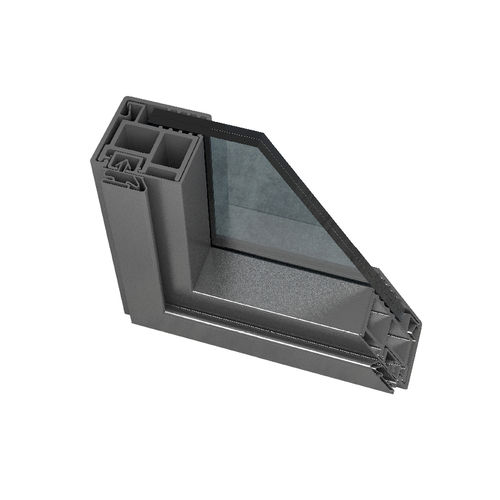
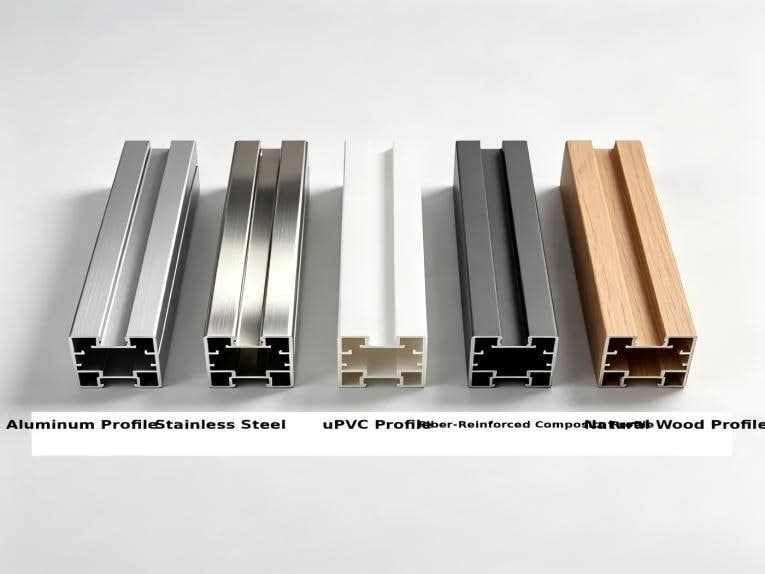
Why do thermal‑break windows still feel cold indoors in winter and suffer severe heat gain in summer? Why do promising profile specifications fail to deliver expected thermal performance after installation? This article breaks the common misconception that lower thermal conductivity equals better window performance. It compares aluminum alloy, uPVC, fiber‑reinforced composite and natural wood profiles, reveals why small‑area frames act as significant thermal bridges, and outlines five core selection criteria covering cross‑section design, frame heat‑transfer contribution, thermal‑deformation compatibility and project‑specific conditions. Profile selection is not about picking the most thermally‑insulating material, but making system‑oriented choices aligned with project durability, structural and energy‑saving targets.