#Product Trends
WHY CAN WHOLE-WINDOW PERFORMANCE STILL FALL SHORT EVEN WITH GOOD PROFILE INSULATION? FROM FRAME HEAT TRANSFER TO VACUUM GLASS, HIGH-PERFORMANCE WINDOWS & DOORS REQUIRE A SYSTEM APPROACH
From Frame Thermal Bridges to Vacuum Glazing — High‑Performance Windows Demand a Full‑System Design Approach
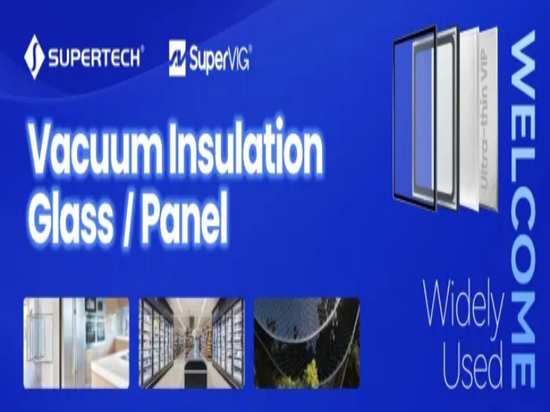
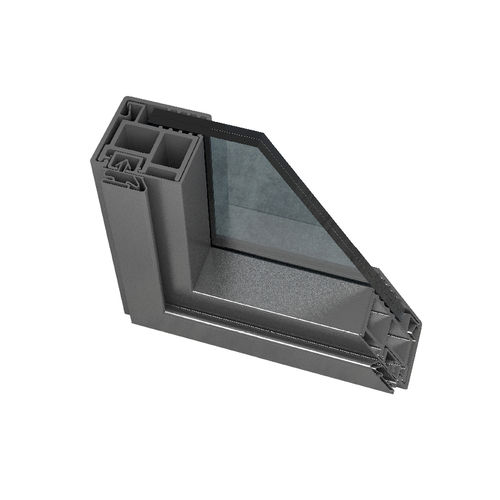
Even after thermal‑break profiles are deployed, whole‑window thermal performance may still fall short of targets. Once frame‑originated heat transfer is controlled, glazing assemblies, glazing‑edge thermal bridges and installation details become decisive bottlenecks. This article introduces a complete whole‑window thermal design workflow, compares vacuum glass against conventional insulating glass, and explains why matched combinations of vacuum glass and energy‑efficient profiles deliver greater engineering value than single‑component comparison. Five practical evaluation criteria are provided for specifiers. High‑performance window‑door solutions rely on system integration capability rather than any single superior material. There exists no universal solution; components must be selected and validated against real‑world project conditions including climate, window‑to‑wall ratio and energy‑saving objectives.