


#Industry News
Automotive Industry Coating Solutions
Challenges in Automotive Parts Coating
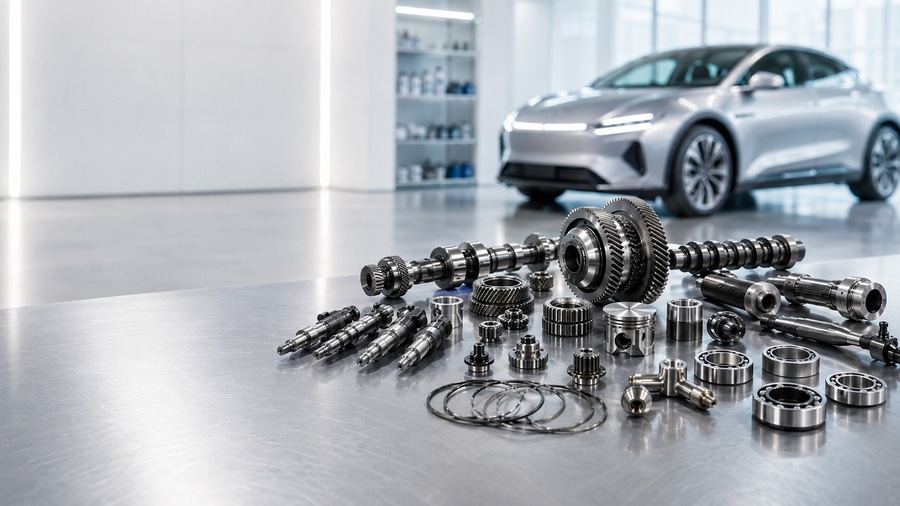
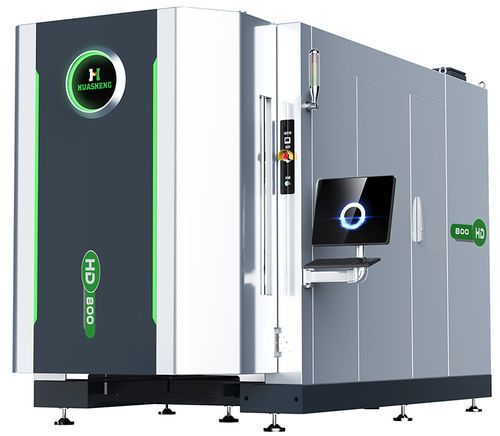
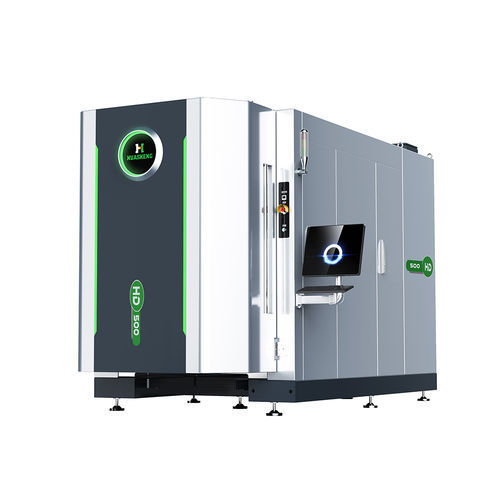
Huasheng provides advanced DLC, ta-C, PVD, and functional coating equipment solutions for automotive parts manufacturers, helping improve wear resistance, corrosion resistance, low-friction performance, and long-term component reliability.
Our automotive coating solutions are suitable for engine components, transmission parts, fuel system parts, brake components, steering parts, suspension parts, automotive molds, and new energy vehicle components.
Challenges in Automotive Parts Coating
Automotive components often work under high load, friction, heat, corrosion, and repeated movement. A stable automotive coating equipment solution helps improve surface performance, reduce wear.
1.High-Friction Wear
Engine parts, gears, shafts, and sliding components face continuous friction, which may lead to surface wear, scuffing, and early failure.
2.Corrosion And Harsh Media
Fuel system parts, brake components, suspension parts, and exposed metal parts require corrosion-resistant coating solutions for long-term protection.
3.High-Load Contact
Transmission components, bearings, pins, and moving parts often work under high contact pressure and impact load.
4.Surface Fatigue And Scratches
Repeated movement and mechanical stress can cause surface fatigue, scratches, and performance loss on precision automotive components.
Automotive Systems We Support
Huasheng provides automotive coating solutions for different vehicle systems, component materials, and production requirements.
1.Engine System
For piston rings, camshafts, valves, tappets, injectors, shafts, and sliding parts. DLC and ta-C coatings help reduce friction and improve wear resistance.
2.Transmission System
For gears, transmission shafts, bearing rings, clutch parts, splines, and differential parts. PVD and DLC coatings help improve hardness and protect high-load components.
3.Fuel System
For injectors, pump plungers, needle valves, pump parts, and sealing components. DLC coatings support wear and corrosion protection for precision fuel parts.
4.Brake System
For brake pins, pistons, guide sleeves,caliper parts, shafts, and sliding parts. Functional coatings help improve corrosion resistance and surface durability.
5.Steering System
For steering shafts, worm gears, rack and pinion parts, guide parts, pins, and bushings. Wear-resistant coatings help protect contact surfaces and improve stability.
6.Suspension System
For shock absorber rods, suspension pins, bushings, shafts, guide parts, and connectors. DLC and PVD coatings help improve wear and corrosion resistance.
7.Automotive Molds
For stamping dies, forming molds, die casting molds, injection molds, punches, and trimming dies. PVD coatings help reduce wear, sticking, and galling.
8.New Energy Vehicle System
For motor shafts, reducer gears, differential parts, battery equipment parts, and guide parts. DLC and hybrid coatings help improve wear resistance and reliability.
Equipment Value For Automotive Parts Manufacturers
1.Extend Component Service Life
Protect parts from friction, wear, corrosion, and fatigue, helping extend automotive component service life.
2.Improve Low-Friction Performance
DLC and ta-C coatings reduce friction between moving parts and improve operating stability.
3.Enhance Corrosion Resistance
Protect fuel, brake, suspension, and exposed metal parts from corrosion and harsh working media.
4.Support High-Load Applications
Suitable for gears, shafts, bearings, pins, bushings, and parts under repeated load and motion.
5.Reduce Maintenance Cost
Longer part life helps reduce replacement frequency, repair cost, and production downtime.
6.Build In-House Coating Capability
In-house coating improves process control, delivery speed, batch quality, and competitiveness.
From Automotive Parts Analysis to Coating Production
1.Parts & Application Analysis: Analyze part material, size,surface condition, working load, friction condition,corrosion environment, and coating requirements.
2.Coating Process Recommendation: Recommend suitable DLC, ta-C, CrN, TiN, TiAIN, PVD, or hybrid coating systems based on automotive component applications.
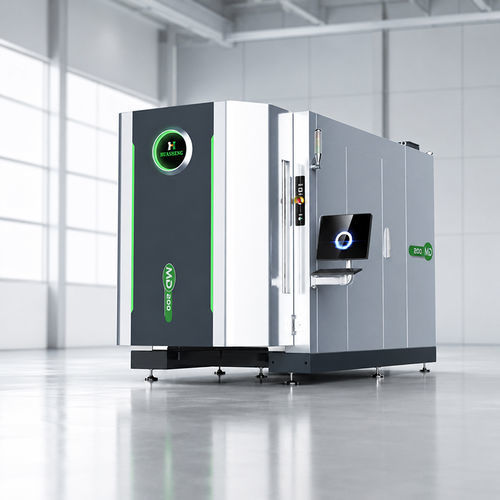
3.Equipment Selection Select suitable automotive coating equipment based on part size, coating type, chamber capacity, loading method, production volume, and factory layout.
4.Fixture & Loading Design: Design customized fixtures for shafts, gears, rings, pins, bushings, molds, and precision automotive components to improve coating uniformity.
5.Installation & Training: Provide equipment installation, commissioning, operator training, and coating process guidance for stable automotive coating production.
6.Long-Term Technical Support: Support coating process optimization, spare parts supply, maintenance, and after-sales service.
 鄂公网安备42018502009509号