#Trade Shows & Events
Thirty-five years of milling innovation
From Seven People to a Global Force
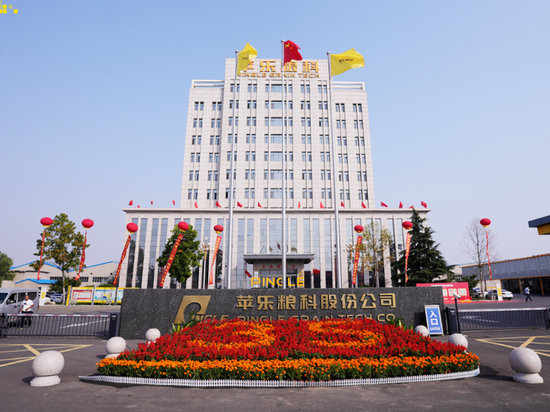
This article is based on a visit by Milling and Grain to China for the 35th anniversary of Pingle Group,including an interview with founder and Chairman Mr Li Jianjun on the company's history, international growth and the future of milling technology.here are company anniversaries, and then there are milestones that tell a much larger story.
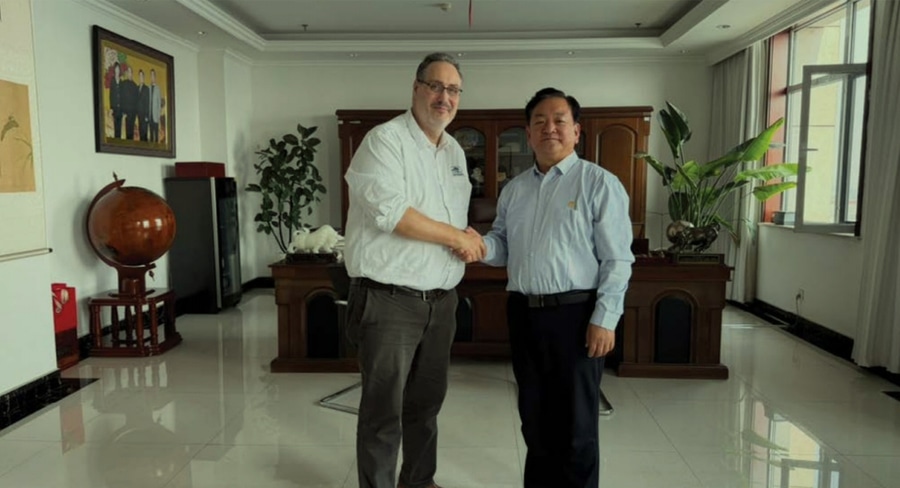
When I ew to China for a whirlwind one-day visit to celebrate the 35th anniversary of Pingle Group. I expected to see a successful milling equipment manufacturer marking another year in business. What I discovered was something far more interesting: the story of a company that has grown alongside the modernization of China's grain processing industry and is now firmly focused on becoming a global force in flour milling, grain storage and food processing technology.
Following the anniversary celebrations, I was fortunate to sit down with the group's founder and chairman Mr Li Jianjun for an open and wide-ranging conversation about the company's past.present and future.Over the course of more than an hour, Mr Li reflected on the challenges that nearly derailed the company. the decisions that transformed it into an intentional player, and why he believes the industry's next frontier lies in automation, sustainability and helping developing nations strengthen food security.What emerged was the portrait of a leader who remains remarkably grounded despite overseeing one of China's most recognized flour milling equipment brands.
Humble beginnings
Today's Pingle bears little resemblance to the company Mr Li founded in 1991."When we started, there were only seven people." he recalls with a smile.They were not manufacturing flour mi ls. Instead. the small team was refreshing second-hand milling equipment, improving older machines where possible and selling them back into the market.
"It was very grassroots." says Mr Li. "We repaired equipment. improved equipment and gradually learned the industry." The company's early evolution came in distinct stages.The first years were spent rebuilding and modifying used machinery. As technical knowledge grew, the company progressed into manufacturing its own small flour mills. By the early 2000s.they had moved decisively into complete milling systems and larger-capacity projects.
Looking back, Mr Li admits that neither he nor his colleagues could have imagined where that journey would eventually lead. "We never thought we would become an important company in the global grain processing industry," he says. "At that time, we were simply focused on surviving and serving our customers."
The crisis that changed everything
Every successful business has a defining moment. For Ping,that moment arrived in 1998 and 1999. A major shift in China's grain procurement policies devastated large parts of the country's flour mi ling sector. Many private and medium-sized flour mills suddenly found themselves unable to secure grain supplies. Some of the industry's mos established companies disappeared almost overnight.Because these mills formed the backbone of the customer base, the effect was immediate. Mr Li still remembers watching respected companies in wheat-producing provinces such as Henan, Hebe and Shandong struggle to survive."It was a very difficult period," he says. "Many companies closed. Many manufacturers had no business." Yet the crisis forced Pingle to think differently Rather than retreating, the company accelerated its move into larger plants, improved its manufacturing capabilities and, perhaps most importantly, began looking beyond China. One lesson from that era rema ns central to their thinking today."We decided that domestic business and overseas business should each represent around half of our activity." explains Mr Li. "You cannot rely on only one market." It was a philosophy that would eventually reshape the entire business.
Going global
For many Chinese manufacturers in the early 2000s, the domestic market offered more than enough opportunity . Mi Li saw things differently.Around 2005 he began travelling extensively, visiting marks throughout Central Asia, Russia, India, Africa and South Asia. These trips convinced him that Pingle's future depended becoming an international company. China was growing quickly.but the world was changing too."There were many countries that needed milling capacity, grain storage and processing technology," he recalls. What began s ambition gradually became reality.Today, export business accounts for the majority of their operations. Annual export revenue is approximately US$100
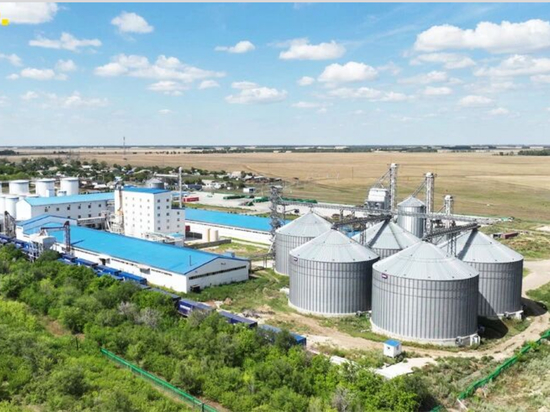
million, with equipment and projects operating areas more than 50 countries.The company has established a particularly strong presence across Africa, Southeast Asia and Belt and Road markets,where governments and private investors are increasingly prioritizing
food security and local processing capacity."Many developing countries are investing in grain storage and1 our m Ling because they understand its importance," says Mr Li."The demand is there, and it will continue to grow."
FLOUR MILLING MAXIMISED
Food security and the African opportunity If there was one region Mr Li repeatedly returned to during our discussion, it was Africa. He believes the continent represent sth most significant long-term opportunity for flour milling, grain storage and grain processing investment Rapid population growth, masturbation and increasing government focus on food security are all driving demand for modern processing infrastructure. "Africa still has enormous potential," he says. "Many countries are building capacity and developing local processing industries."Mr Li also points to the role of governments, development banks and public-private partnerships in supporting these projects.Countries that invest in grain storage and milling infrastructure are
not simply building factories, he argues. They are strengthening national resilience. "When countries have their own grain store and processing capacity, they become much better prepared for future challenges."The intelligent mill While global expansion has transformed Pingle's market
position, Mr Li believes the next major shift in the industry will be technological. Automation, artificial intelligence and digital is a thrower recurring themes throughout our conversation.
The company is already investing heavily in intelligent manufacturing systems and automated production lines inside its own facilities. The long-term vision is ambitious. "We are studying fully automated production and smart factories," says Mr Li. For flour mills themselves, he sees increasing automation across every stage of operation, from grain intake through to flour packing. Labour efficiency, consistency,energy management and real-time monitoring will all improve as intelligent systems become more sophisticated.Importantly, Mr Li does not believe advanced technologies will remain confined to developed markets. Technology adoption,he argues, no longer follows the traditional path. "In the past,countries had to develop step by step. Today, many countries can move directly to more advanced technologies." The result could be a faster transformation of milling operations than many expect.Sustainability becomes a necessity Environmental performance was another topic that Mr Li discussed with conviction. The flour mill of 2026 bears little resemblance to the mills of earlier decades. Dust,noisy and inefficient energy use are increasingly unacceptable."Our customers expect cleaner, more efficient and more environmentally responsible facilities," he says. Modern Pingle projects are designed around improved dust collection, reduced emissions, lower energy consumption and safer workplaces. The company is also exploring wider adoption of renewable energy systems, including solar-powered solutions in suitable regions.Equally important are advances in grain cleaning technology,water management and motor efficiency. For Mr Li, sustainability is no longer a marketing slogan. "It is simply part of building a modern flour mill."
A company built around people
Despite the discussion of automation and technology, Mr Li repeatedly steered the conversation back to people. Today, Pingle employs around 700 people, many of whom have joined directly from universities and technical institutions.Supporting those employees remains one of the company's central responsibilities. "We want people to feel that Pingle is like a home," he says. They provide accommodation and meals for many employees and invests heavily in technical training. They have also developed internal education programs to help young engineers enter specialized areas of the grain processing business. Mr Li sees talent development not only as an investment in the company but also as an investment in the wider industry."If we help develop good engineers and professionals, the who industry benefits.'
Looking toward 2061
As our conversation drew to a close, I asked Mr Li what he would like Pingle to look like when the company celebrates its 70th anniversary. His answer came quickly An international brand. Not simply a Chinese equipment supplier with overseas projects, but a globally recognized company with customers, service centers and partners around the world.He also hopes the company will be known for something more important than machinery. "We don't just want to sell equipment he says. "We want our customers to succeed.” It is a simple statement, but one that perhaps explains much of Pingle's success-over the past 35 years.
From a seven-person workshop refurbishing old milling machines to a company exporting around the world, the journey has been remarkable. Yet after spending time with Mr Li,the
impression is not of a company celebrating what it has achieved,but one focused on what comes next.After 35 years of development, Pingle has become a first-class enterprise in China, ranks among the top in international visibility,and has an annual export value of US$100 million. And if the past 35 years are any indication, the story is still only beginning,