#Product Trends
How to Choose the Best Rail Transfer Cart
Providing the Optimal Solution for Factory Transportation-Rail Transfer Cart
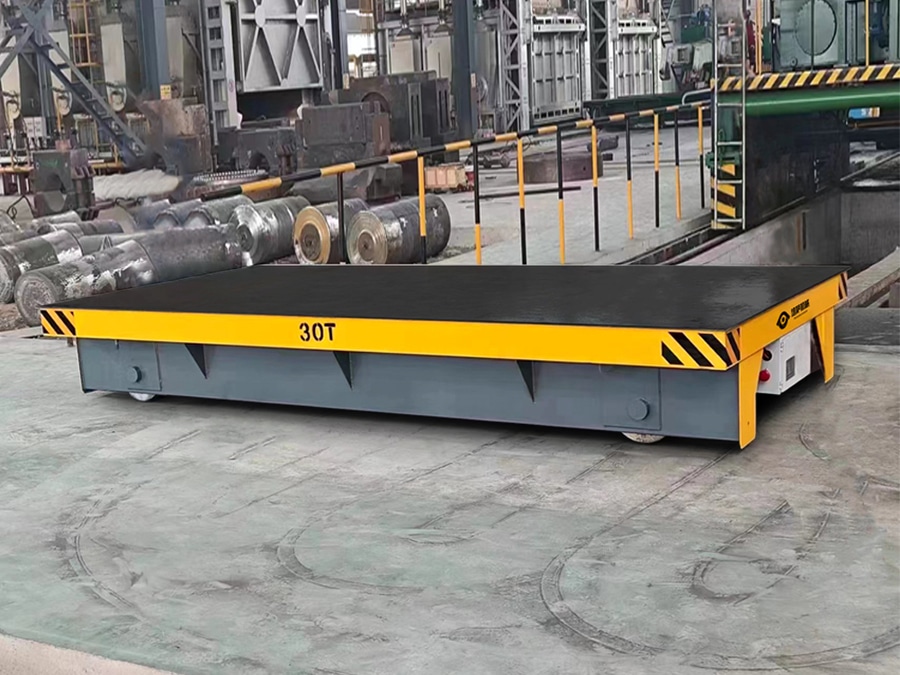
In modern smart manufacturing, efficient factory logistics is key. Rail transfer carts provide a reliable and cost-effective solution for transporting heavy materials such as raw materials, finished, or semi-finished goods along fixed routes.
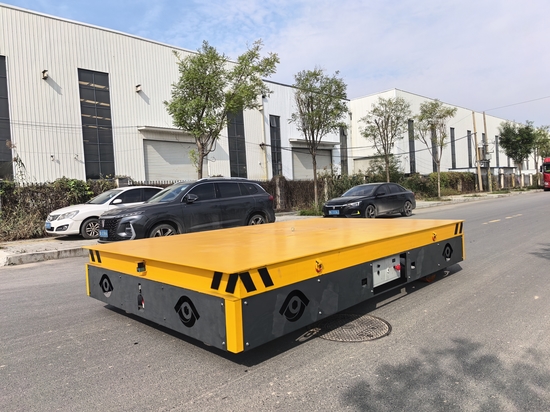
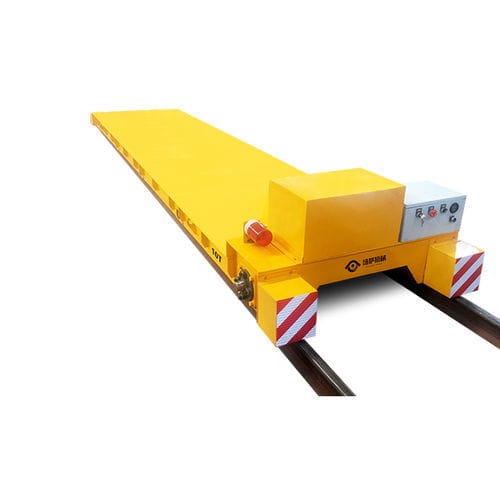
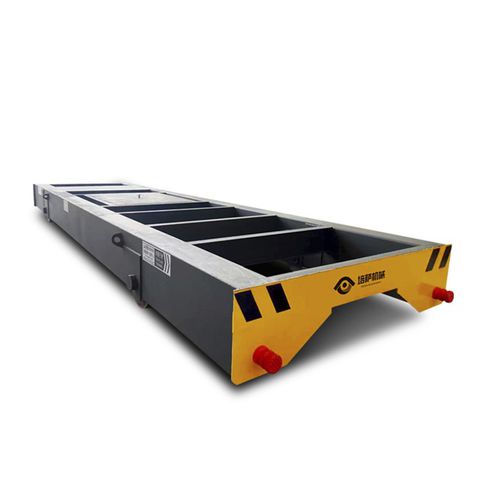
A rail transfer cart operates on tracks and consists of key components like a motor, reducer, travel system, control unit, and a robust body frame. It ensures stable movement between production areas and is widely used in industrial settings.
When selecting a rail transfer cart, several critical factors must be considered:
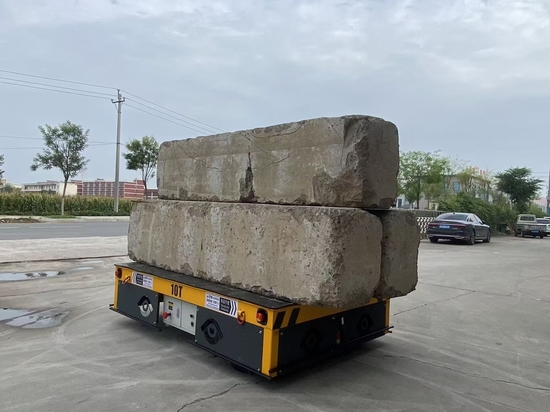
Load Capacity & Dimensions – Determine the maximum weight and size of the cargo to ensure the cart is designed with the correct structural strength.
Travel Speed – Match the speed to the workflow of the production line. For heavy loads, a typical speed of 5–30 m/min is recommended.
Route Planning – Plan the track layout in advance, especially if curved or complex paths are required. These need to be discussed early with the supplier.
Automation Options – Carts can be integrated with automated systems to reduce labor and enhance efficiency.
Power Supply Type – Choose from battery, cable reel, or low-voltage rail power depending on operational frequency and energy needs.
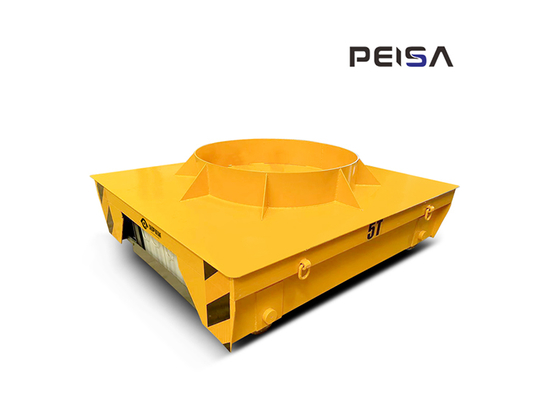
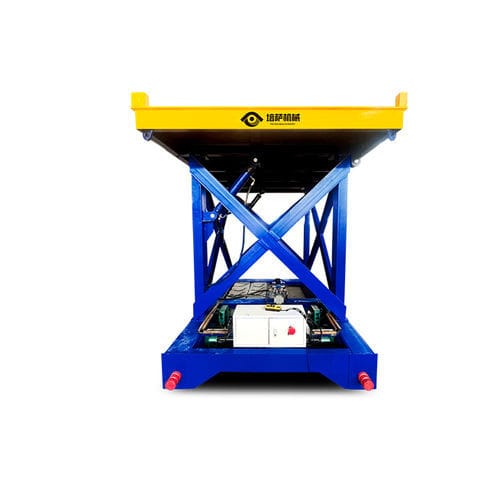
Customized Features – Based on the cargo type, carts can be fitted with V-frames for coils or lifts for molds.
PEISA offers custom design services to match specific production requirements, providing flexible and practical transportation solutions.