#Product Trends
Power Supply Methods for Rail Powered Transfer Carts
Rail Powered Transfer Carts
Power Supply Methods for Rail Powered Transfer Carts
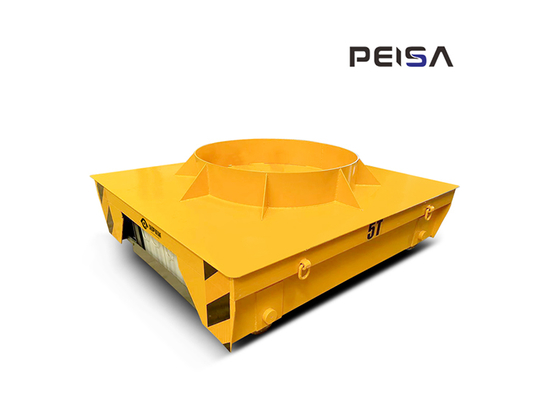
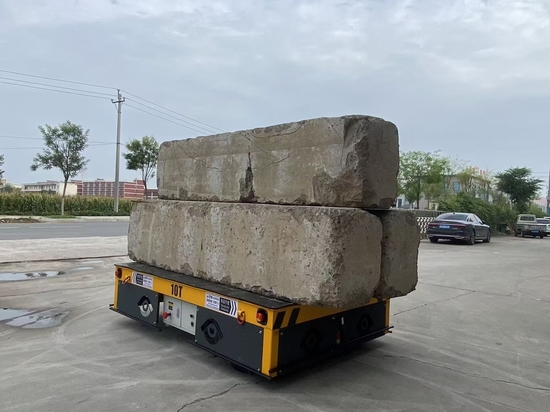
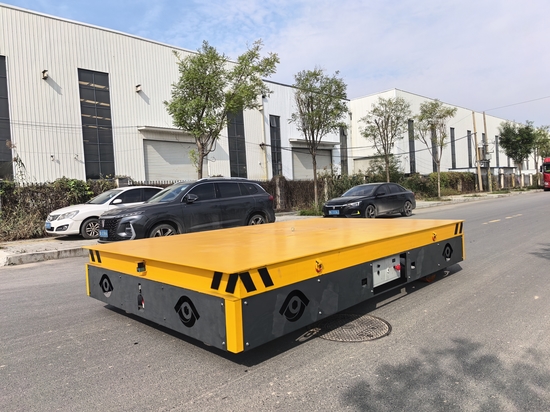
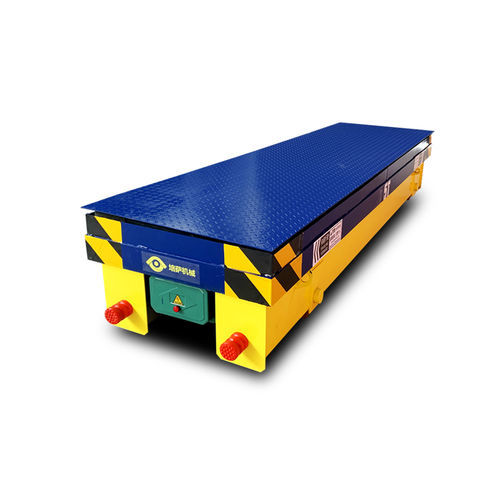
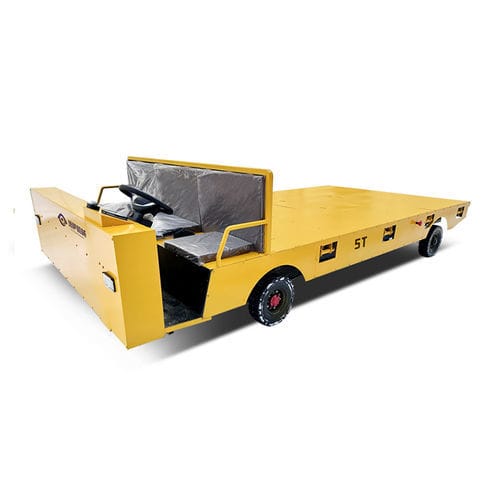
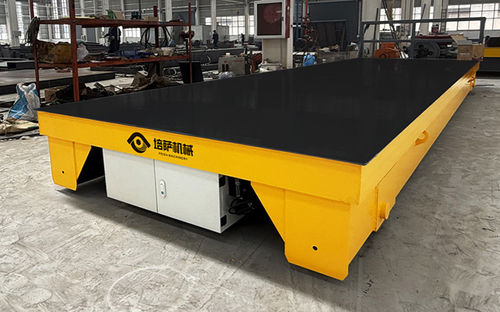
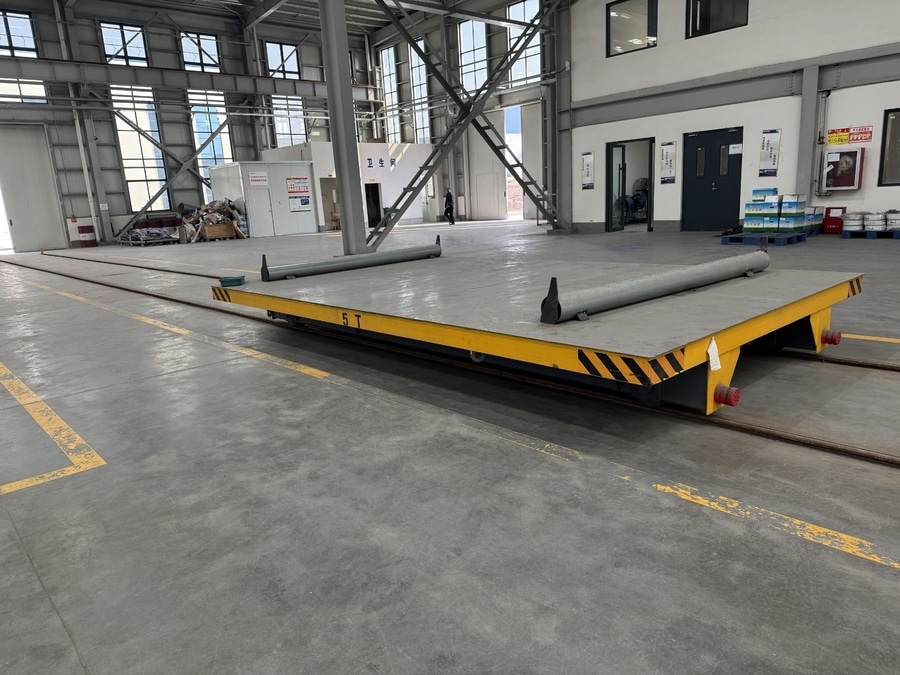
A rail powered transfer cart is an essential industrial tool used in workshops, warehouses, and assembly lines for efficient material handling. These low-voltage electric flatcars are known for their stable performance, high load-bearing capacity, and easy operation, making them ideal for transporting heavy loads across fixed tracks.
Since these transfer carts are electrically powered, the choice of power supply method plays a critical role in ensuring safe, reliable, and cost-effective operation. Below are the four most common power supply systems used in rail powered transfer carts:
Collector Shoe System:
This is the most widely adopted method. A metal or carbon brush collector shoe is mounted underneath the cart and maintains sliding contact with a conductive rail surface. It is simple in structure and easy to maintain, but requires clean rails and regular servicing to ensure good conductivity. Ideal for low-voltage systems (24V/36V) and short to mid-range transport tasks.
Conductive Wheels:
In this method, the wheels themselves act as conductors, drawing power directly from the live rails. This allows for a more compact cart design without extra collectors. However, it requires high rail insulation to prevent short circuits, and maintenance can be more complicated. It's suitable for environments where space is limited and compact design is essential.
Conductor Rail System (Third Rail):
A dedicated conductive rail is laid alongside the track. The transfer cart is equipped with sliding collector shoes that draw electricity from this rail. This system supports higher currents and longer travel distances, offering stable and efficient power supply. Though installation is more expensive, it is widely used in large-scale logistics and automation setups.
Carbon Brushes:
Carbon brushes, supported by springs, maintain tight contact with the conductive rail, reducing resistance and improving electrical reliability. These brushes experience less wear than metal alternatives and are ideal for systems with high-frequency use, frequent starts/stops, or fast operation speeds. Regular inspections are needed to ensure continuous operation.
Key Design Considerations
When choosing a power supply method, several technical and safety factors must be considered, including:
Proper track insulation to avoid leakage and electrical hazards.
Use of segmented power systems to ensure stable voltage over long distances.
Integration of safety protections like overload, short-circuit detection, and power-loss alarms.
Conclusion
The rail powered transfer cart continues to be a vital solution in industrial material handling due to its robust electrical system and consistent performance. Selecting the appropriate power supply method—based on factors like load weight, travel distance, and operational frequency—is essential for optimizing efficiency, reducing maintenance, and ensuring safety.