#Industry News
HOW TO MONITOR FUEL TANK LEVEL REMOTELY?
remote fuel tank monitoring system
==================================================
1. OVERVIEW
==================================================
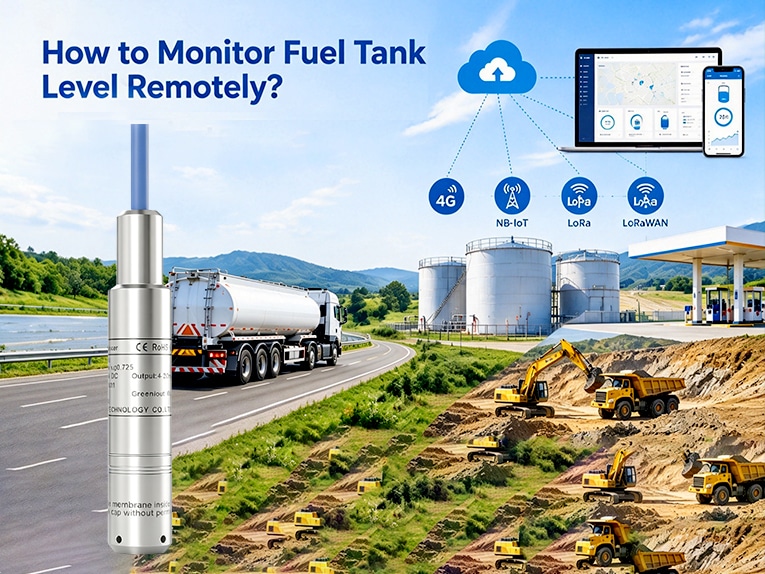
A remote fuel tank monitoring system uses a fuel level sensor, wireless communication (4G, NB-IoT, LoRa, or LoRaWAN), and a cloud/IoT monitoring platform to transmit fuel level data remotely. Depending on the application, users can choose integrated wireless sensors or traditional sensors connected through wireless gateways.
Frequently Asked Questions from Customers:
- How can I check fuel levels remotely?
- How can I prevent fuel theft?
- Can I monitor multiple tanks from one platform?
- Can the system connect to my own IoT platform?
==================================================
2. WHAT IS REMOTE FUEL TANK LEVEL MONITORING?
==================================================
A remote fuel monitoring system measures the fuel level inside a tank and sends real-time data to a remote monitoring platform via wireless communication.
Unlike traditional manual inspection, operators can track:
- Current fuel level and remaining volume
- Historical fuel consumption data
- Low fuel and abnormal level alarms
- Sudden level drop alerts (theft prevention)
- Tank and vehicle location information (via GPS)
System Architecture (4 Key Components):
Fuel Level Sensor -> Wireless Communication -> Cloud Platform -> Mobile/PC Dashboard
Core Components Breakdown:
1. Fuel Level Sensor: Measures liquid height, volume, or hydrostatic pressure.
2. Communication Module: Transfers data wirelessly via 4G, NB-IoT, LoRa, LoRaWAN, etc.
3. GPS Module (Optional): Provides real-time tank or fleet location tracking.
4. Cloud Platform / Dashboard: Stores data, generates analytics, and triggers alerts.
==================================================
3. WHY USE REMOTE FUEL MONITORING?
==================================================
1. Reduce Manual Inspections
Manual inspection of dispersed tanks requires substantial time, labor, and travel expenses. Remote monitoring allows operators to check fuel levels across multiple sites from a single dashboard.
- Typical applications: Multi-tank depots, remote construction sites, agricultural irrigation systems, mining operations.
2. Prevent Fuel Theft & Detect Abnormal Loss
Fuel theft and unauthorized usage are major issues for fleet and site managers. Real-time monitoring instantly detects:
- Sudden fuel drops (potential theft or leakage)
- Unexpected or off-hours consumption
- Unauthorized refueling or discrepancies
3. Optimize Fuel Inventory & Delivery Scheduling
Accurate, continuous inventory tracking prevents unexpected run-outs and minimizes unnecessary delivery runs.
- Plan bulk refills in advance based on actual consumption rates.
- Eliminate costly equipment downtime caused by fuel depletion.
- Reduce emergency fuel deliveries.
==================================================
4. HOW DOES THE SYSTEM WORK?
==================================================
Working Workflow:
Level Measurement -> Sensor Collects Data -> Wireless Transmission -> Cloud Platform -> Mobile App / User IoT System
Example Workflow:
A fuel level sensor mounted on a logistics truck continuously measures diesel levels. The data is transmitted over cellular (4G) or LPWAN (NB-IoT/LoRaWAN) networks to a cloud server. Fleet managers can monitor live levels and receive alert notifications via a web portal, mobile app, or their own enterprise IoT platform via API/MQTT.
==================================================
5. CHOOSING THE RIGHT WIRELESS COMMUNICATION METHOD
==================================================
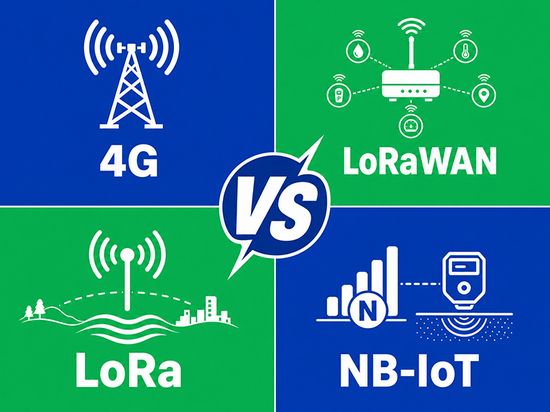
- 4G (Cellular):
* Best For: Fleet vehicles, moving tankers, widely dispersed remote assets.
* Advantages: Wide network coverage, high data speed, direct cloud connection.
- NB-IoT:
* Best For: Fixed outdoor tanks with cellular coverage and low update frequency.
* Advantages: Ultra-low power consumption, deep indoor/underground signal penetration.
- LoRa / LoRaWAN:
* Best For: Industrial parks, large farms, or clusters of tanks in a localized area.
* Advantages: Long transmission range, private network setup, low operational cost.
- Wi-Fi:
* Best For: Indoor factory tanks and indoor storage facilities.
* Advantages: Zero telecom recurring fees, easy local network integration.
==================================================
6. RECOMMENDED SOLUTIONS BY REQUIREMENT
==================================================
- Truck / Fleet Fuel Monitoring:
Recommended: Capacitive Fuel Sensor + GPS Tracker + 4G Communication.
- Remote Diesel Tank (No Power Supply):
Recommended: Battery-Powered Integrated Wireless Level Sensor (NB-IoT / LoRaWAN).
- Multiple Tanks in One Plant / Facility:
Recommended: Level Sensors + Local LoRa/LoRaWAN Gateway Solution.
- Upgrading Existing Wired Level Sensors:
Recommended: Existing Sensors + Wireless Industrial Gateway.
- Hazardous / Flammable Fuel Storage:
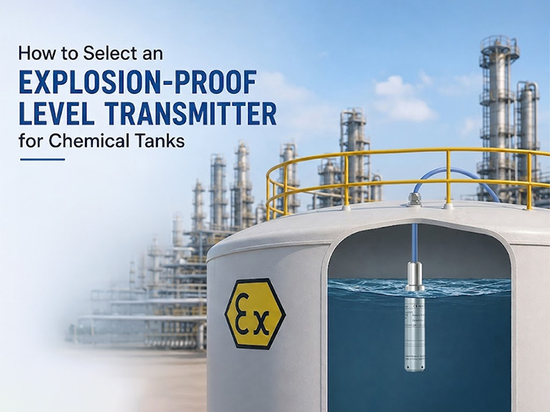
Recommended: Explosion-Proof Level Sensor (Submersible / Radar / Ultrasonic).
==================================================
7. GPS AND CLOUD PLATFORM SELECTION
==================================================
Do You Need GPS?
- Fuel Tanker Trucks & Fleet Vehicles: Recommended (tracks vehicle route vs. consumption).
- Stationary Diesel Tanks: Optional.
- Factory Storage Tanks: Usually unnecessary (fixed location).
Platform Integration Options:
- Option A: Sensor + Ready-to-Use Cloud Platform & Mobile App
Suitable for users wanting an off-the-shelf solution with pre-configured alarms, dashboards, and multi-device management.
- Option B: Sensor + Integration into Customer's Own System
Sensors and gateways transmit data directly to customer IoT/SCADA platforms via standard protocols (MQTT, HTTP, Modbus, REST API).
==================================================
8. SELECTING THE RIGHT FUEL LEVEL SENSOR
==================================================
1. Capacitive Fuel Level Sensor
- Suitable Applications: Vehicle fuel tanks, diesel generator tanks, small-to-medium storage tanks.
- Key Advantages: Compact design, high resolution, can be cut to fit custom tank depths.
2. Submersible Level Transmitter (Hydrostatic Pressure)
- Suitable Applications: Deep diesel tanks, underground storage, bulk reservoirs.
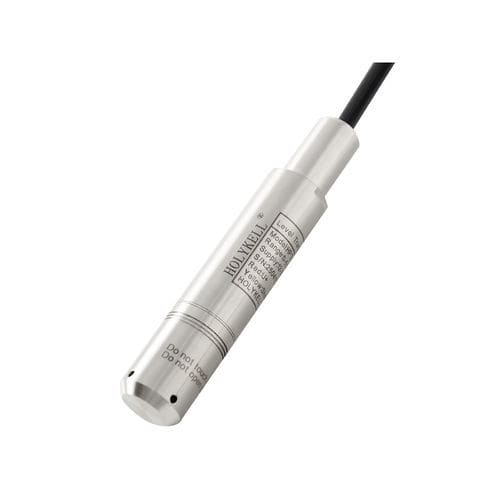
- Key Advantages: Direct liquid pressure measurement, wide depth range, rugged 316L stainless steel build.
3. Non-Contact Radar Level Sensor
- Suitable Applications: Large industrial storage tanks, corrosive or volatile chemical/fuel tanks.
- Key Advantages: 80GHz non-contact measurement, unaffected by temperature, pressure, or vapors.
4. Ultrasonic Level Sensor
- Suitable Applications: Open tanks, above-ground diesel storage, general fuel containers.
- Key Advantages: Non-contact, easy top mounting, cost-effective.
5. Integrated Wireless Level Sensor
- Suitable Applications: Unattended remote sites, off-grid tanks without power or wiring.
- Key Advantages: All-in-one sensor + transmitter + battery, zero cabling required.
Key Selection Factors to Consider:
- Fuel media type (Diesel, Gasoline, Kerosene, Heavy Oil)
- Tank geometry and depth
- Measurement range and accuracy requirements
- Mounting / installation method (Thread, Flange, Submersible, Non-contact)
- Hazardous area explosion-proof certifications (Ex d, Ex ia)
- Wireless network availability on site
==================================================
9. TYPICAL APPLICATION SCENARIOS
==================================================
Scenario 1: Fleet & Logistics Fuel Management
- Challenge: Difficult to track fuel usage across dozens of trucks; risk of fuel theft.
- Solution: Capacitive Sensor + GPS + 4G Telematics.
- Benefits: Real-time tank volume tracking, instant alert on abnormal fuel drops, route-level consumption analysis.
Scenario 2: Remote Diesel Generator & Storage Tanks
- Challenge: Tanks located in remote or unstaffed areas requiring costly periodic manual checks.
- Solution: Battery-Powered Wireless Level Sensor (NB-IoT/4G).
- Benefits: 24/7 inventory visibility, automated low-level refill alerts, reduced site visits.
Scenario 3: Construction & Mining Equipment
- Challenge: Rough terrain, no grid power, dust and vibration.
- Solution: Heavy-Duty Wireless Level Sensor with Rugged Housing.
- Benefits: Unattended monitoring, theft prevention, seamless fuel logistics for heavy machinery.
==================================================
10. HOLYKELL WIRELESS FUEL LEVEL SOLUTIONS
==================================================
Approach 1: Integrated Wireless Fuel Level Sensor
- Description: Combines measurement sensing, wireless transmission, and battery power inside a single compact unit.
- Key Features:
* Minimal components, fast installation
* Multiple communication options (4G / NB-IoT / LoRaWAN)
* Low-power battery operation for remote off-grid locations
* Direct cloud and mobile dashboard connectivity
Approach 2: Standard Level Sensor + Wireless Gateway
- Description: Connects standard industrial wired level transmitters (pressure, radar, ultrasonic) to an external wireless gateway.
- Key Features:
* Compatible with existing on-site sensor infrastructure
* Freedom to choose any sensing technology
* Supports multiple sensor inputs into one gateway
* Easy system expansion for multi-tank plants
==================================================
11. FREQUENTLY ASKED QUESTIONS (FAQ)
==================================================
Q1: Can I monitor fuel tank levels from my smartphone?
A: Yes. When connected to a cloud platform, users can view live levels, historical graphs, and alarm push notifications via mobile apps or responsive web browsers.
Q2: Does every fuel monitoring system require GPS?
A: No. GPS is primarily necessary for mobile assets such as trucks, mobile tankers, and fleet vehicles. Stationary tanks only require level and volume data.
Q3: Can these sensors connect to my company's existing IoT/SCADA system?
A: Yes. Industrial wireless fuel sensors and gateways support standard transmission protocols including MQTT, HTTP, Modbus RTU/TCP, and RESTful APIs.
Q4: Which wireless communication method is best for remote tanks?
A: For widely dispersed or mobile tanks, 4G cellular provides the broadest coverage. For fixed tanks in areas with cellular infrastructure, NB-IoT offers low power consumption. For localized clusters of tanks, LoRa/LoRaWAN is the most cost-effective.
Q5: How does the system detect and prevent fuel theft?
A: The system samples fuel level continuously. If a sudden drop in fuel volume occurs while the engine is off or at an unauthorized rate, an instant alarm is triggered and sent via SMS/App/Email.
==================================================
12. CONCLUSION
==================================================
A modern remote fuel monitoring system is a complete end-to-end IoT solution that integrates precision sensing, wireless communication, optional GPS tracking, and cloud analytics.
Selecting the right combination depends on your asset type:
- Mobile Fleet: Fuel Sensor + 4G + GPS
- Remote Off-Grid Tanks: Battery-Powered Wireless Sensor + Cloud Platform
- Industrial Plant: Multi-Sensor Setup + Wireless Gateway + SCADA/IoT Integration
By replacing manual dipsticks with automated wireless monitoring, businesses eliminate manual inspection overhead, prevent fuel losses, and gain full visibility into critical fuel assets.