
#Industry News
Offshore Safety Showers: Reliable Emergency Decontamination Solutions for Marine Platforms
Emergency Decontamination Solutions for Offshore Sites
As of 2025, the marine offshore sector is navigating a wave of growth driven by both traditional oil & gas and the rising tide of renewables.
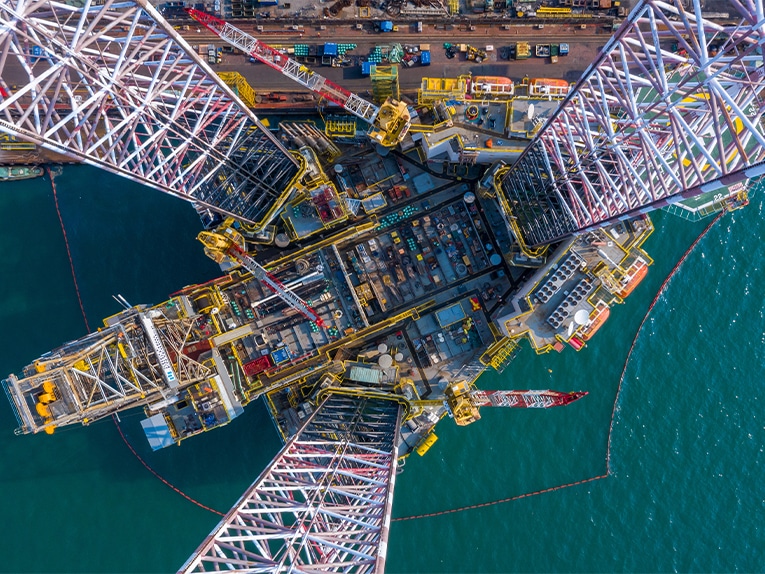
The global number of offshore oil and gas platforms currently in operation exceeds 1,300.
Offshore wind is gaining significant investment: projected spending is set to soar from £17.7 billion in 2024 to £51 billion in 2025, targeting approximately 32 GW of new capacity.
The marine energy market (tidal, wave, OTEC, etc.) reached £1.5 billion in 2024 and is forecast to grow at a compound annual growth rate of 8.1% between 2025 and 2034.
These statistics reflect a highly profitable, expanding industry where investment is robust and the need for safety infrastructure—including emergency safety showers—is critical.
Chemical Hazards in Marine Offshore Operations
How Safety Showers Protect Workers from Chemical Spills
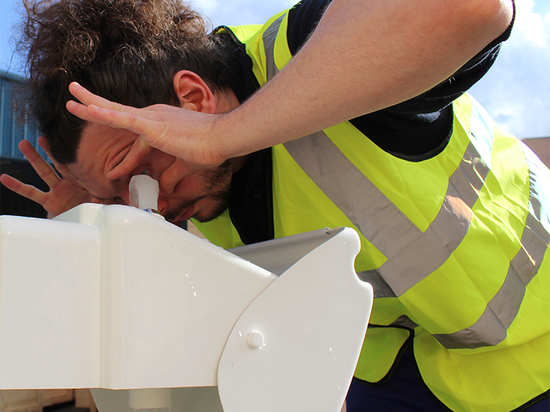
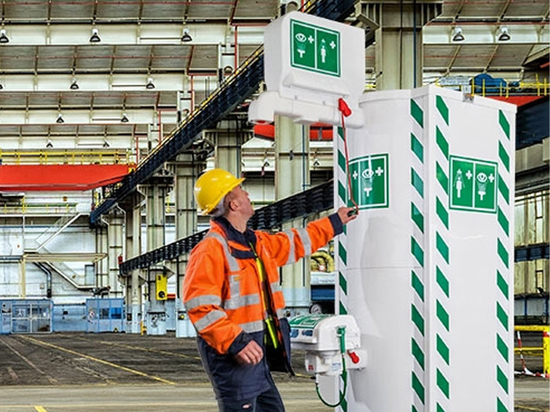
Safety showers and eyewash stations are a frontline defence in emergencies. As per safety standards, employers must provide “suitable facilities for quick drenching or flushing of the eyes and body” in areas handling corrosive substances.
To comply and maximise safety, facilities should follow the ANSI standard:
Minimum flow: ≥ 20 gallons/minute (76 L/min) for at least 15 minutes.
Water temperature: Tepid (60-100 °F / 16-38 °C) to prevent hypothermia or scalding.
Accessibility: Within 10 seconds reach and on the same level as the hazard, with clear signage and unobstructed.
Activation: The valve of the unit must open within 1 second and remain on until manually shut.
Coverage: Shower must drench entire body; eyewash must irrigate both eyes effectively.
Maintenance and training: Weekly activation and inspection to clear contamination, detailed record keeping, and worker training. Professional servicing should be carried out annually.
Installing compliant safety showers dramatically reduces the severity of chemical exposures, helping to minimise the severity of injury and potentially saving lives.