#Industry News
IBS G60 - Continuous Mixing Plant for Precise and Efficient Production
Explore continuous concrete mixing technology designed for accurate dosing, consistent output and efficient construction operations.
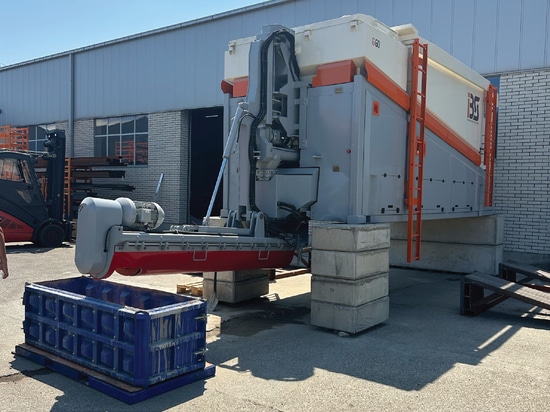
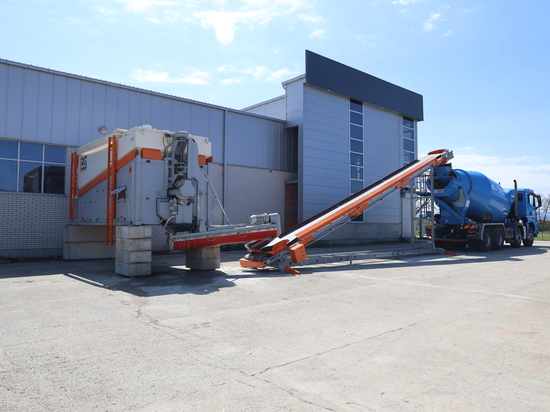
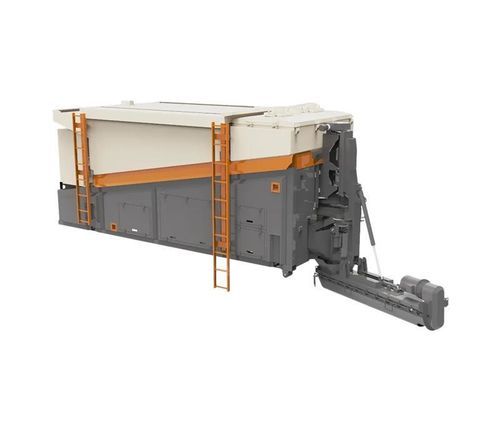
For decades, batch plants have dominated the concrete industry. However, as project demands increase and margins become tighter, traditional cycle-based production reveals structural inefficiencies. Continuous mixing offers a fundamentally different approach — and when combined with true gravimetric dosing, it delivers a level of control and stability that conventional systems often struggle to achieve. As a manufacturer of continuous mixing systems such as the IBS G60, we design production around flow, precision, and measurable performance.
Continuous Mixing Is About Controlled Flow
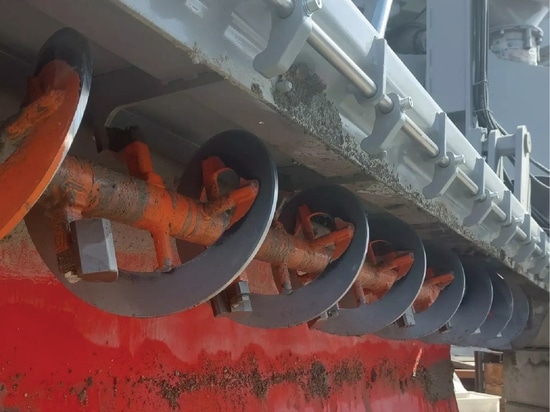
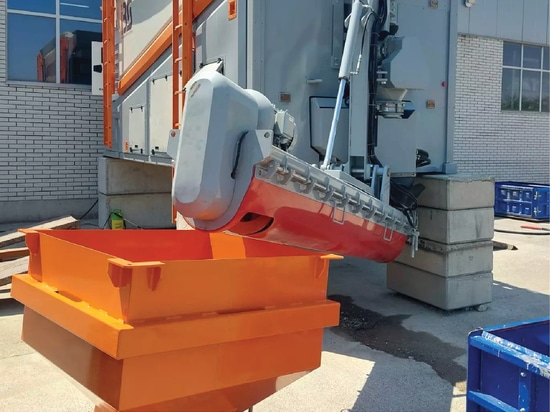
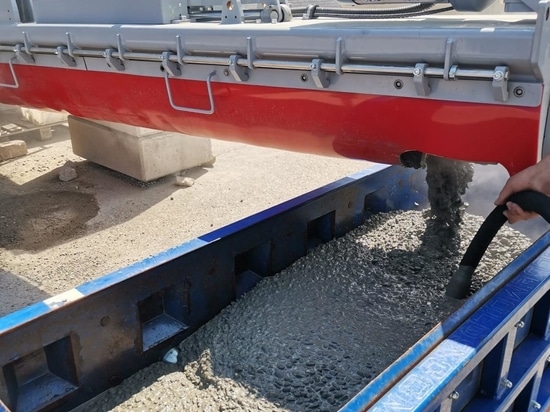
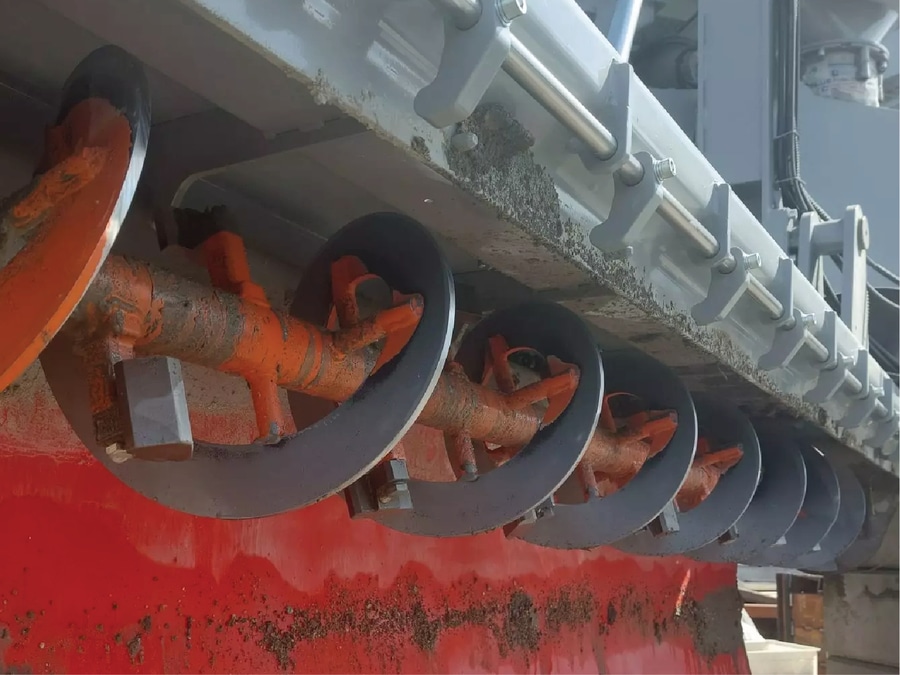
In a continuous system, materials are fed into the mixer without interruption. Cement and aggregates are supplied in regulated proportions, water and admixtures are injected simultaneously, and fresh concrete exits the mixer in a steady stream. There are no batch pauses, no repeated start–stop cycles, no idle time between production phases – the system operates as one synchronized process.
The Critical Element: Gravimetric Dosing
Continuous mixing alone is not enough. The real advantage comes from how materials are controlled. In the IBS G60, cement and aggregates are dosed gravimetrically — meaning by weight — using integrated weighing systems. Water, additives, and emulsions are precisely controlled via calibrated flow sensors.
This hybrid control principle ensures:
- Accurate proportioning of all components
- Stability independent of material fluctuations
- Stability independent of material fluctuations
- Consistent concrete quality over long production runs
Why does this matter?
Because material properties are rarely constant in real-world conditions. Moisture levels change. Bulk density varies. Aggregate characteristics shift from delivery to delivery.
Volumetric systems react to volume — not to actual mass.
Gravimetric systems react to weight — which is what truly defines the mix design.
That distinction directly affects quality, strength consistency, and cost control.
Continuous vs. Batch: The Structural Difference
Traditional batching plants operate in cycles:
Weigh
Load
Mix
Discharge
Repeat
Each cycle introduces mechanical interruption and idle time. Continuous systems eliminate this inefficiency. The mixer runs steadily, and dosing is corrected in real time. Output is aligned with demand, not constrained by cycle timing. For large pours and infrastructure projects, this structural difference becomes decisive.
Read the full article on our website.