

#Industry News
Concrete: Properties, Benefits and Applications in Construction
Concrete as a Foundation of Modern Construction
Since it came into use, now more than a century ago, concrete has become an indispensable and the most widely used construction material. It is considered to cover more than 70% of the needs in construction and infrastructure. In addition to being durable, it becomes stronger and better with age. Some of the major advantages of concrete are that it is cost-effective and adaptable to various shapes and working conditions. If some of the available modern additives are added to it, its properties can be further improved.
Fresh Concrete: Properties
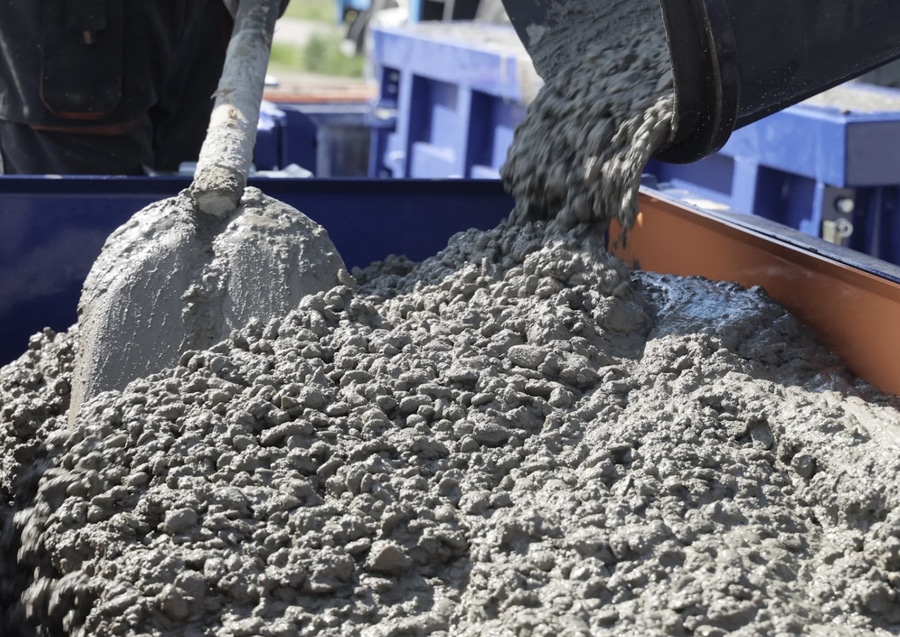
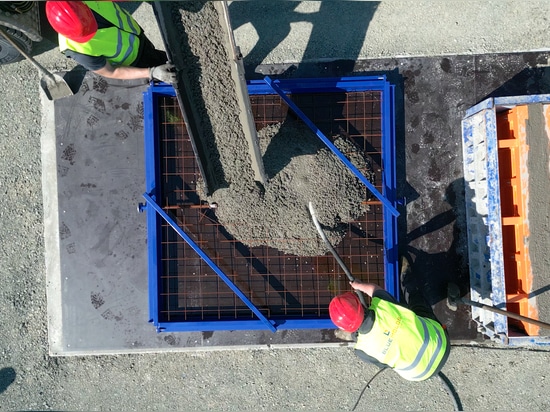
The properties of a fresh concrete mix are very important for the properties of hardened concrete, its workability, and the possibility of finishing. In this form, the concrete mix is an elastoplastic viscous system, which allows it to change its behavior depending on the forces acting upon it. Under the influence of vibration, it takes on a form similar to that of a heavy liquid, which is used in practice to achieve concrete compaction through vibration and to ensure that it better fills all voids in the formwork while maintaining optimal compaction of the placed concrete.
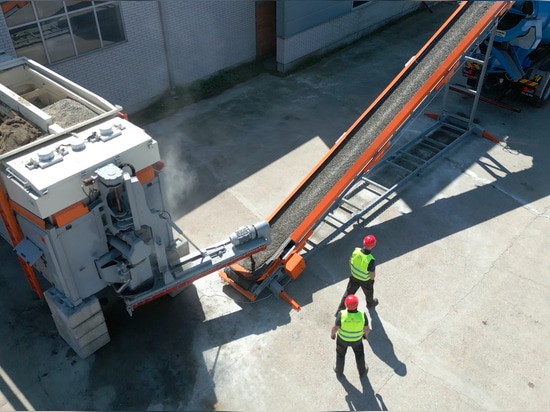
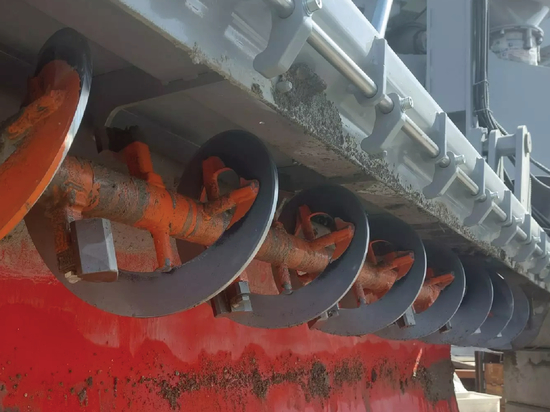
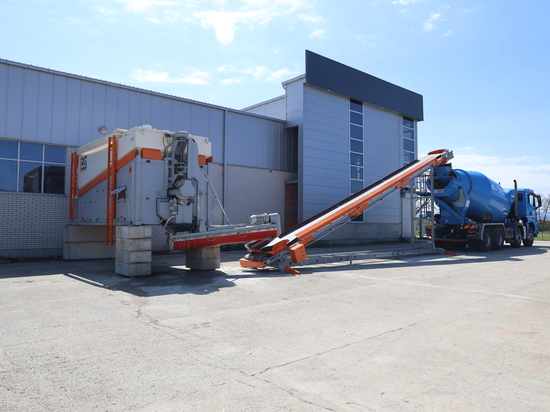
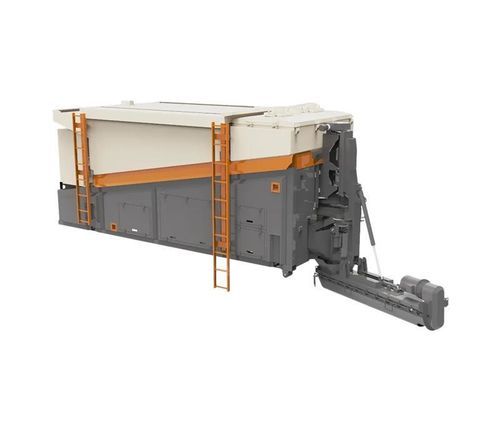
The quality and consistency of fresh concrete also depend on accurate dosing and thorough mixing of all its components. On construction sites where concrete needs to be produced close to the point of placement, mobile concrete mixing plants can provide an efficient solution. For example, the IBS G60 is a mobile gravimetric concrete mixing plant designed to produce concrete directly on site, allowing the required mix to be prepared when and where it is needed.
Concrete Consistency and Cohesion
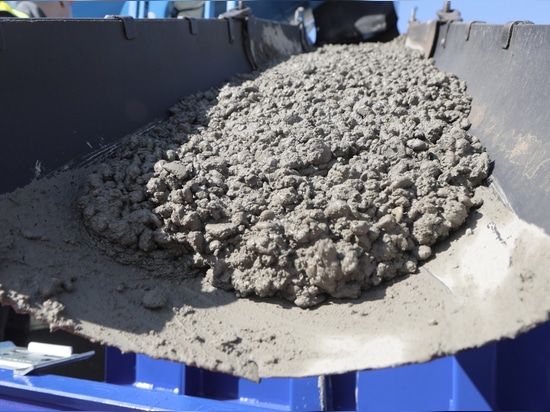
A very important property of a fresh concrete mix is consistency, which can be stiff, low-plastic, plastic, or fluid. The workability and ease of handling of fresh concrete depend largely on its consistency, which refers to its ability to fill all cavities and spaces in the formwork as a result of compaction. Several methods can be used to determine this characteristic, depending on the type of concrete being tested. The cohesion of the concrete mix greatly affects the homogeneity and properties of hardened concrete. If cohesion is poor, segregation of the concrete components and bleeding may occur during transport and placement, which is particularly pronounced in concrete with a high water content. The appropriate consistency of fresh concrete is selected in each individual case, depending on the type and dimensions of the structure or concrete elements, reinforcement density, method of placement, and finishing. The greatest influence on the consistency of fresh concrete is exerted by the amount of water it contains, which in practice is determined so that the concrete has appropriate workability and ease of handling.
For this reason, precise dosing of each component is essential when producing concrete. The IBS G60 uses load cells on the aggregate and cement hoppers, together with flow meters on the relevant pipelines, to enable precise real-time dosing of the components according to the selected mix recipe. The required quantities can be entered directly through the machine’s control panel, allowing different concrete mixes to be produced according to specific project requirements.
What Determines the Properties of Hardened Concrete?
As for the physical and mechanical properties of hardened concrete, they depend on numerous factors that influence the resulting structure of the concrete. This structure is formed after the placement of fresh concrete as a result of the cement hydration process, with the water-cement ratio having a very significant influence. The formation of the concrete structure can be divided into three characteristic phases:
Initial structure formation phase: occurs after the placement and compaction of concrete, the cement begins to set, and the cement paste changes from a liquid to a solid state.
Gradual structure formation and strength development phase: compressive mechanical strength increases, and this phase can last from several days to several weeks, depending on whether and which additives are used.
Structure stabilization phase: the strength and structure have been achieved, the concrete has stable porosity and the required mechanical properties.
In order to achieve early concrete strength, technological, chemical, and physical methods can be used. Technological methods include the use of higher-grade cement, reducing the water-cement ratio, revibration of concrete, and similar methods. Chemical methods include the use of various types of additives (accelerators, plasticizers, and superplasticizers), while the most effective physical methods are thermal treatment procedures.
Modern mobile mixing technology can also contribute to more controlled concrete production on site. With the IBS G60, mix recipes are entered through the control system, while the machine precisely measures the required quantities of the individual components. At the end of the production process, a report can be printed with the quantities used, providing useful production data and traceability of the produced mix.
Read the full article on our website.

 鄂公网安备42018502009509号