
#Industry News
Choosing the Right Liquid Chemical Cabinets for High Purity Applications
Choosing the Right Liquid Chemical Cabinets for High Purity Applications
Introduction
As semiconductor manufacturing, pharmaceutical production, biotechnology, advanced chemical processing, and lithium battery manufacturing continue to evolve, the demand for ultra-clean chemical delivery systems has never been greater. Every stage of production relies on the safe storage, precise distribution, and contamination-free handling of high-purity chemicals. One of the most critical components within these systems is the Liquid Chemical Cabinet (LCC).
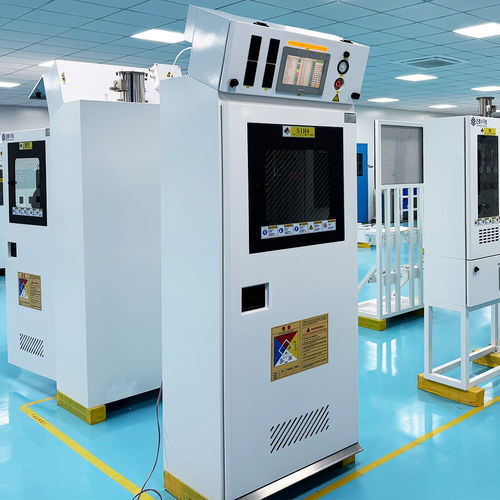
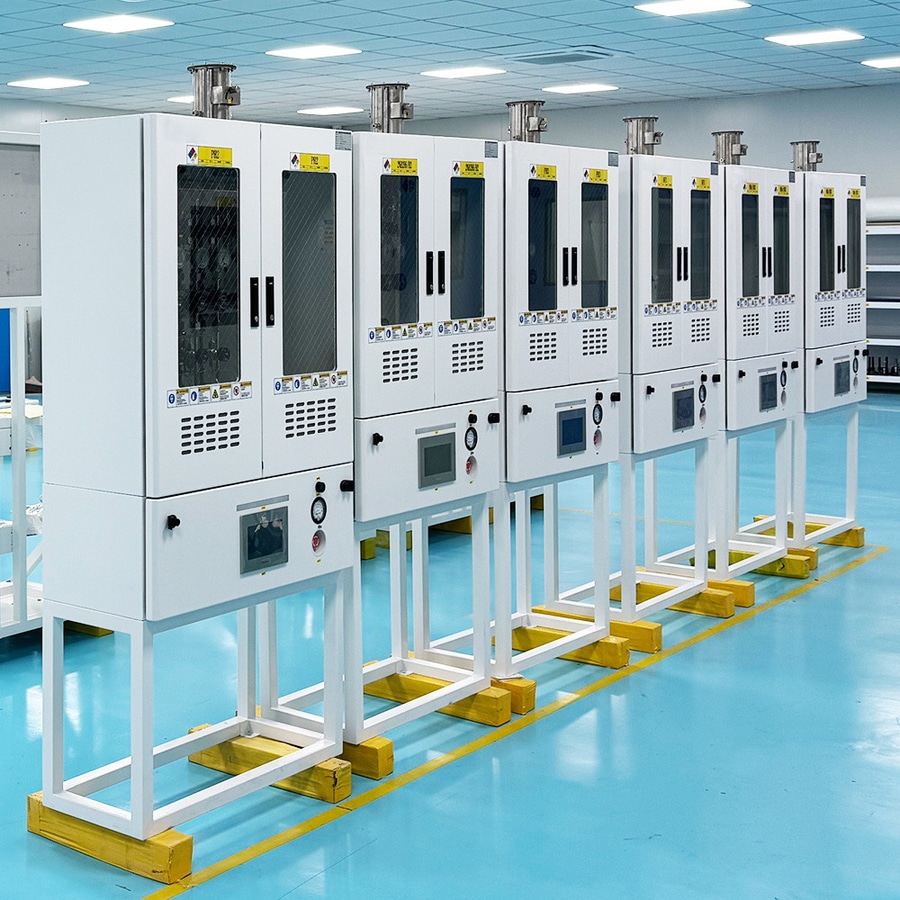
A Liquid Chemical Cabinet is far more than a storage enclosure. It is an engineered process system designed to safely contain hazardous chemicals while ensuring stable pressure, accurate flow control, leak prevention, and compatibility with ultra-high purity (UHP) process requirements. Selecting the right liquid chemical cabinet directly impacts production efficiency, operator safety, equipment uptime, and final product quality.
This guide explains the essential considerations when choosing liquid chemical cabinets for high purity applications and highlights the key design features that distinguish premium systems from standard chemical storage cabinets.
What Is a Liquid Chemical Cabinet?
A Liquid Chemical Cabinet is a fully enclosed chemical management system designed to store and deliver process chemicals safely to manufacturing equipment. Unlike ordinary storage cabinets, modern liquid chemical cabinets integrate numerous process control functions, including:
Chemical storage
Pressure regulation
Flow control
Leak detection
Automatic shutoff
Ventilation
Purge systems
Safety interlocks
Process monitoring
PLC automation
These systems transport hazardous chemicals from source containers to production tools while minimizing contamination risks and protecting operators from exposure.
Liquid chemical cabinets are commonly used for:
Semiconductor wafer fabrication
Chemical mechanical polishing (CMP)
Wet process stations
Photolithography
Solar cell manufacturing
Pharmaceutical production
Chemical laboratories
Battery manufacturing
Research institutes
Why High Purity Applications Require Specialized Chemical Cabinets
High purity manufacturing processes operate under extremely tight contamination control standards. Even microscopic particles, dissolved metals, moisture, or airborne contaminants can cause process failures.
For example, semiconductor fabrication often requires chemical purity exceeding 99.9999%. Any contamination introduced during chemical storage or delivery may lead to:
Reduced wafer yield
Defective microchips
Equipment corrosion
Unstable process parameters
Increased maintenance costs
Product recalls
High purity liquid chemical cabinets are specifically engineered to eliminate these contamination sources through optimized materials, precision welding, advanced filtration, and cleanroom-compatible construction.
Key Factors When Selecting Liquid Chemical Cabinets
1. Chemical Compatibility
The first consideration is chemical compatibility.
Different manufacturing processes use aggressive chemicals such as:
Hydrofluoric Acid (HF)
Sulfuric Acid (H₂SO₄)
Nitric Acid (HNO₃)
Hydrochloric Acid (HCl)
Ammonium Hydroxide (NH₄OH)
Hydrogen Peroxide (H₂O₂)
Isopropyl Alcohol (IPA)
Photoresist chemicals
The cabinet materials must withstand long-term exposure without degradation.
Typical construction materials include:
316L Stainless Steel
PVDF
PTFE
PFA
Polypropylene (PP)
High-density polyethylene (HDPE)
Selecting chemically compatible materials prevents corrosion, particle generation, and chemical contamination.
2. High Purity Wetted Components
Only ultra-high purity wetted components should contact process chemicals.
Critical wetted components include:
Tubing
Valves
Pumps
Pressure regulators
Filters
Sensors
Flow meters
Fittings
Premium systems utilize:
Electropolished stainless steel
PFA tubing
PTFE diaphragms
Orbital welded joints
Dead-leg free flow paths
These design features significantly reduce particle generation and chemical residue accumulation.
3. Advanced Leak Detection Systems
Chemical leaks pose severe safety risks.
A high-quality liquid chemical cabinet should include multiple leak detection technologies, including:
Chemical leak sensors
Liquid spill trays
Vapor detectors
Pressure monitoring
Automatic emergency shutdown
Alarm systems
Integrated leak detection enables immediate isolation of chemical supplies before hazardous conditions develop.
4. Ventilation Design
Proper ventilation removes hazardous vapors from the cabinet enclosure.
Well-designed cabinets incorporate:
Negative pressure ventilation
Exhaust duct connections
Airflow monitoring
Ventilation interlocks
Corrosion-resistant duct materials
Efficient ventilation improves worker safety while preventing chemical vapor accumulation.
5. Automatic Purge Systems
Many chemicals react violently with moisture or oxygen.
Nitrogen purge systems help:
Remove oxygen
Eliminate moisture
Prevent oxidation
Reduce contamination
Increase chemical stability
Automatic purge cycles are particularly important when changing chemical containers.
6. Precision Flow Control
Consistent chemical delivery improves manufacturing repeatability.
Modern liquid chemical cabinets integrate:
Mass flow controllers
Precision pumps
Pressure sensors
Flow sensors
PID control algorithms
These technologies maintain stable flow rates regardless of process demand fluctuations.
7. PLC-Based Automation
Automation significantly improves productivity.
Today’s liquid chemical cabinets commonly feature PLC-based control systems with:
Touchscreen HMI
Recipe management
Automatic changeover
Remote monitoring
Alarm logging
Data recording
Ethernet communication
Industry 4.0 integration
Automation minimizes human error while improving process consistency.
8. Safety Interlock Systems
High purity applications often involve hazardous acids, solvents, and oxidizers.
Essential safety interlocks include:
Door interlocks
Emergency stop buttons
Low chemical level alarms
High pressure shutdown
Leak shutdown
Fire detection
Exhaust monitoring
Earth grounding protection
These systems ensure chemical delivery stops immediately whenever abnormal conditions occur.
Cleanroom Compatibility
Liquid chemical cabinets used in semiconductor cleanrooms must meet stringent cleanliness standards.
Important cleanroom features include:
Smooth internal surfaces
Particle-free welding
Low particle generation materials
Easy-to-clean design
Minimal dead space
Stainless steel enclosure
Electropolished surfaces
These design elements help maintain ISO Class cleanroom environments.
Single Chemical vs Multi-Chemical Cabinets
Manufacturers typically choose between single-chemical and multi-chemical cabinet configurations.
Single Chemical Cabinets
Advantages include:
Simpler maintenance
Lower contamination risk
Easier validation
Lower installation cost
Ideal for dedicated production lines.
Multi-Chemical Cabinets
Advantages include:
Space savings
Centralized management
Reduced facility costs
Flexible process integration
These systems are preferred in large semiconductor fabs where multiple chemicals are required simultaneously.
Monitoring and Smart Diagnostics
Modern Industry 4.0 manufacturing requires real-time process visibility.
Advanced liquid chemical cabinets support:
Remote diagnostics
Predictive maintenance
Cloud connectivity
Data logging
Chemical consumption analysis
Alarm history
Trend analysis
SCADA integration
Real-time monitoring reduces downtime while improving overall equipment effectiveness (OEE).
Compliance with International Standards
When selecting a supplier, verify compliance with recognized international standards.
Common certifications include:
CE Certification
ISO 9001 Quality Management
SEMI Standards
NFPA Requirements
OSHA Safety Guidelines
RoHS Compliance
These certifications demonstrate product quality, safety, and manufacturing consistency.
Typical Applications
High purity liquid chemical cabinets serve numerous industries.
Semiconductor Manufacturing
Used for:
Wet benches
CMP equipment
Photolithography
Etching
Cleaning systems
Pharmaceutical Manufacturing
Applications include:
Chemical dosing
Process reagent delivery
Laboratory automation
Chemical Industry
Suitable for:
Specialty chemical production
Fine chemical processing
Analytical laboratories
Solar Manufacturing
Supports:
Silicon wafer cleaning
Surface treatment
Chemical etching
Lithium Battery Production
Provides safe handling of:
Electrolytes
Solvents
Process chemicals
Advantages of Custom Liquid Chemical Cabinets
Every manufacturing facility has unique process requirements.
Custom-engineered liquid chemical cabinets can be designed according to:
Chemical type
Flow rate
Pressure range
Number of chemical lines
Automation level
Facility layout
Cleanroom classification
Safety regulations
Customization ensures optimal performance while maximizing production efficiency.
Maintenance Considerations
Routine preventive maintenance helps maintain system reliability.
Recommended maintenance includes:
Leak sensor calibration
Valve inspection
Filter replacement
Pressure testing
Tubing inspection
Pump maintenance
PLC software updates
Ventilation verification
Scheduled maintenance reduces unexpected downtime and extends equipment life.
Selecting the Right Supplier
Choosing the right manufacturer is equally important as selecting the right equipment.
An experienced supplier should offer:
Engineering consultation
Custom design capabilities
High purity manufacturing expertise
Factory acceptance testing (FAT)
Site acceptance testing (SAT)
Global technical support
Spare parts availability
Comprehensive documentation
Look for suppliers with proven experience in semiconductor, pharmaceutical, and high-purity chemical handling applications.
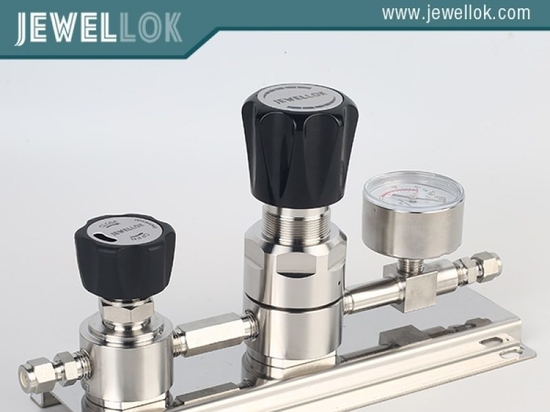
nitrogen manifold panel for individual gas cabinet and valve manifold box
nitrogen manifold panel for individual gas cabinet and valve manifold box
Conclusion
Liquid chemical cabinets play a vital role in ensuring the safe, reliable, and contamination-free delivery of process chemicals in high purity manufacturing environments. From material compatibility and leak detection to PLC automation and cleanroom-ready construction, every design element contributes to improved safety, process stability, and product quality.
As manufacturing technologies become increasingly sophisticated, investing in a high-performance liquid chemical cabinet is no longer simply a safety requirement—it is a strategic decision that enhances operational efficiency, minimizes contamination risks, reduces maintenance costs, and supports long-term production reliability. By partnering with an experienced manufacturer capable of delivering customized, high-purity chemical delivery solutions, companies can confidently meet the demanding standards of modern semiconductor, pharmaceutical, biotechnology, and advanced industrial applications while preparing for future growth and evolving process requirements.
For more about choosing the right liquid chemical cabinets for high purity applications, you can pay a visit to Jewellok at https://www.jewellok.com/product-category/chemical-delivery-system/ for more info.