
#Industry News
High-Precision CO₂ UHP Pressure Regulators Ensure Gas Purity and Process Consistency
High-Precision CO₂ UHP Pressure Regulators Ensure Gas Purity and Process Consistency
Introduction
In today’s advanced manufacturing industries, carbon dioxide (CO₂) is no longer just a common industrial gas. High-purity and ultra-high-purity (UHP) CO₂ has become a critical process gas in semiconductor manufacturing, pharmaceutical production, biotechnology, analytical laboratories, food-grade packaging, laser systems, and specialty chemical processing. As production technologies continue to evolve toward smaller geometries, higher yields, and stricter quality standards, maintaining gas purity throughout the entire delivery system has become increasingly important.
One of the most essential components in every high-purity gas delivery system is the Ultra High Purity (UHP) pressure regulator. While gas suppliers may provide CO₂ with purity levels of 99.999% or higher, contamination can still occur inside the gas distribution system if the pressure regulator introduces particles, moisture, hydrocarbons, or metal contaminants.
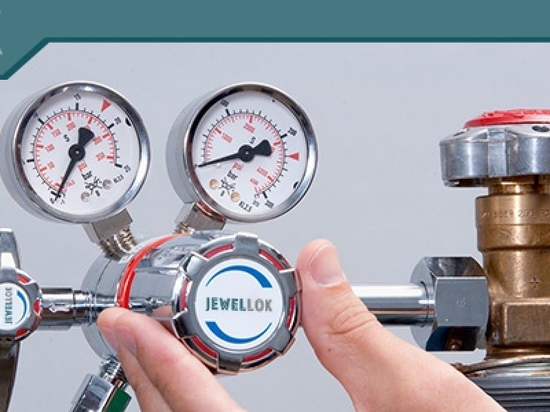
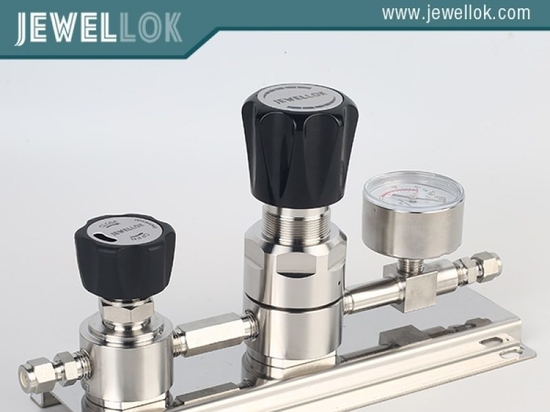
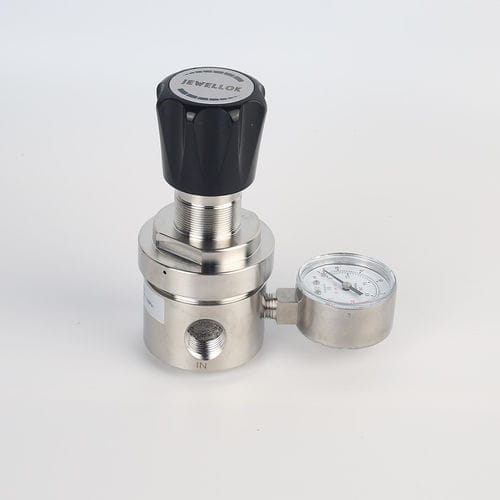
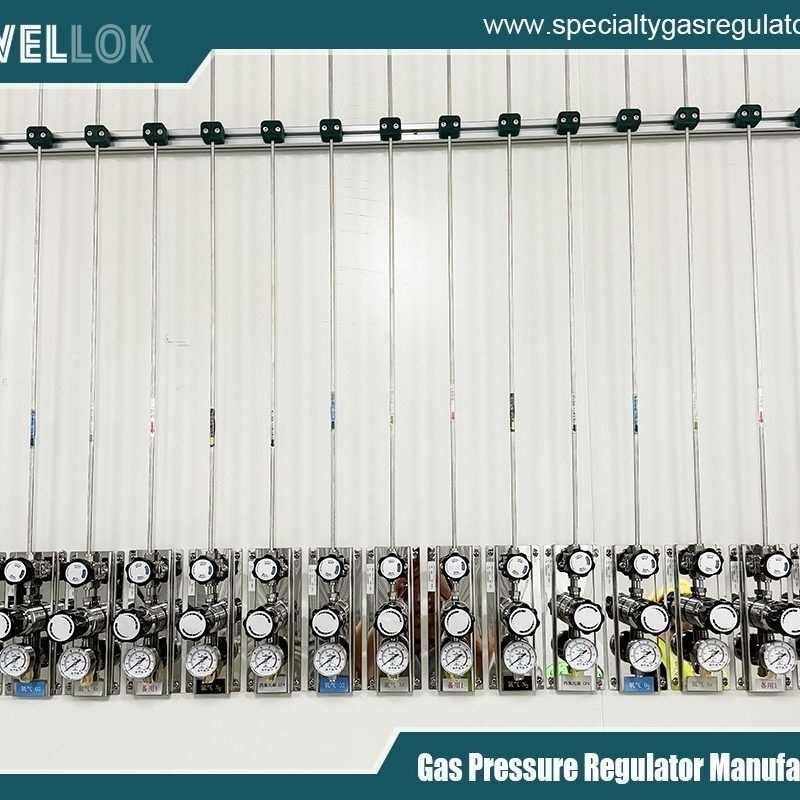
A high-precision CO₂ UHP pressure regulator is specifically engineered to preserve gas purity while delivering exceptionally stable outlet pressure. By minimizing pressure fluctuations, eliminating dead volume, reducing leakage, and preventing contamination, these regulators ensure consistent gas flow throughout the manufacturing process.
This article explains why high-precision CO₂ UHP pressure regulators are essential, how they work, their key design features, application industries, selection criteria, and maintenance practices that maximize system reliability and process consistency.
Why Gas Purity Matters
Many industrial processes rely on extremely clean gas environments. Even microscopic contamination may result in significant production losses.
Potential contamination sources include:
Internal corrosion
Moisture ingress
Hydrocarbon residue
Particle generation
Metal ion contamination
Elastomer outgassing
External air leakage
For ultra-sensitive manufacturing, contamination measured in parts per billion (ppb) can negatively affect:
Wafer yield
Thin-film uniformity
Chemical reactions
Optical coatings
Laser performance
Pharmaceutical product quality
Therefore, maintaining gas purity requires not only high-quality gas cylinders but also every component within the gas delivery system to meet ultra-high purity standards.
The Critical Role of UHP Pressure Regulators
A pressure regulator reduces the high cylinder pressure to a stable working pressure required by downstream equipment.
Unlike conventional industrial regulators, UHP pressure regulators are designed to perform several additional functions:
Preserve original gas purity
Eliminate contamination sources
Deliver highly stable outlet pressure
Minimize pressure decay
Prevent atmospheric back diffusion
Reduce particle generation
Maintain consistent flow under changing demand
Without a properly designed regulator, even the highest purity CO₂ can become contaminated before reaching the process tool.
Challenges of CO₂ Pressure Regulation
Carbon dioxide possesses several physical characteristics that make pressure regulation more challenging than other inert gases.
High Cylinder Pressure
CO₂ cylinders are stored under high pressure.
The regulator must withstand repeated pressure cycles while maintaining sealing integrity.
Phase Transition
Depending on temperature and pressure, CO₂ may exist as:
Gas
Liquid
Supercritical fluid
Rapid decompression can produce dry ice formation, causing pressure instability and regulator malfunction.
Temperature Sensitivity
The Joule-Thomson cooling effect causes rapid temperature reduction during pressure drop.
Poor regulator design may experience:
Internal icing
Pressure drift
Flow instability
High-precision regulators are specifically engineered to minimize these effects.
Key Features of High-Precision CO₂ UHP Pressure Regulators
1. High-Purity Materials
Material selection directly influences gas purity.
Premium UHP regulators typically utilize:
316L VIM-VAR stainless steel
Electropolished stainless steel
Low sulfur stainless steel
Nickel-based alloys for corrosive gases
These materials provide:
Excellent corrosion resistance
Low particle generation
Superior chemical compatibility
Long service life
2. Electropolished Internal Surface
Internal surface finish plays a major role in contamination control.
Typical specifications include:
Surface roughness below Ra 10 μin (0.25 μm)
Optional Ra 5 μin
Mirror-like electropolished finish
Benefits include:
Reduced particle adhesion
Lower moisture absorption
Faster purge cycles
Improved gas cleanliness
3. Metal-to-Metal Diaphragm Seal
Traditional regulators often use elastomer diaphragms.
Although suitable for general industrial use, elastomers may introduce:
Outgassing
Moisture
Hydrocarbons
Aging-related contamination
UHP regulators utilize fully metallic diaphragms that provide:
Zero permeation
Exceptional cleanliness
Long cycle life
Superior leak integrity
4. Ultra-Low Internal Leakage
Leak performance is critical.
Typical UHP specifications include:
External leakage:
< 1 × 10⁻⁹ atm·cc/sec He
Seat leakage:
Bubble-tight shutoff
These specifications ensure atmospheric contaminants cannot enter the gas stream.
5. Low Dead Volume Design
Dead volume refers to internal cavities where gas becomes trapped.
Excessive dead volume leads to:
Longer purge times
Residual contamination
Gas mixing
Process inconsistency
Modern UHP regulators feature compact internal flow paths that significantly reduce trapped gas volume.
6. High Flow Stability
Stable outlet pressure is essential for:
Mass flow controllers
Process chambers
Chemical delivery systems
Analytical instruments
High-precision regulators minimize:
Supply pressure effect
Flow-induced pressure fluctuations
Lock-up pressure
Droop characteristics
This ensures continuous process stability.
Pressure Stability Improves Process Consistency
Pressure variation directly influences gas flow rate.
Even small pressure changes can cause:
Film thickness variation
Etching inconsistency
Chemical reaction imbalance
Process repeatability issues
High-performance pressure regulators maintain stable outlet pressure regardless of:
Cylinder pressure decay
Flow demand changes
Temperature variation
This contributes to highly repeatable manufacturing performance.
Common Applications
Semiconductor Manufacturing
Semiconductor fabrication requires ultra-clean process gases.
CO₂ is used in:
Chamber cleaning
Dry etching
Supercritical cleaning
Process cooling
Specialty gas mixtures
Stable gas delivery improves:
Yield
Uniformity
Equipment uptime
Pharmaceutical Production
Pharmaceutical facilities use high-purity CO₂ for:
Fermentation
Bioreactors
Sterile packaging
Controlled atmosphere production
Contamination-free pressure regulators help maintain GMP compliance while protecting product quality.
Food and Beverage Industry
Food-grade CO₂ supports:
Beverage carbonation
Modified atmosphere packaging
Cold storage
Food preservation
UHP pressure regulators ensure:
Stable carbonation pressure
Product consistency
Hygienic gas delivery
Laser Systems
Industrial lasers often require precisely controlled gas pressure.
Stable pressure ensures:
Consistent laser output
Better cutting quality
Longer equipment life
Laboratory Instruments
Analytical instruments require highly stable gas supplies.
Examples include:
Gas chromatography
Mass spectrometry
Environmental analyzers
Calibration systems
Pressure fluctuations can reduce measurement accuracy.
Integration into UHP Gas Delivery Systems
A CO₂ UHP pressure regulator typically works alongside other high-purity components, including:
Cylinder connection manifolds
Diaphragm valves
High-purity tubing
Face seal fittings
Mass flow controllers
Pressure transducers
Gas cabinets
Automatic changeover systems
Each component contributes to maintaining overall system cleanliness.
Selecting the Right CO₂ UHP Pressure Regulator
When choosing a pressure regulator, engineers should evaluate several critical factors.
Gas Compatibility
Verify compatibility with:
High-purity CO₂
Moisture-free gases
Specialty gas mixtures
Pressure Rating
Confirm:
Maximum inlet pressure
Outlet pressure range
Safety margin
Flow Capacity
Ensure the regulator provides sufficient flow without excessive pressure drop.
Leak Integrity
Select products tested according to helium leak standards.
Leak rate should meet semiconductor-grade requirements.
Surface Finish
Choose regulators with:
Electropolished internal surfaces
High-purity cleaning
Cleanroom packaging
Material Certification
Look for:
Material traceability
Heat number documentation
Inspection reports
Cleanliness certification
Installation Best Practices
Proper installation is equally important.
Recommended procedures include:
Install in clean environments.
Prevent dust exposure.
Use high-purity tubing.
Avoid thread sealants that may contaminate gas.
Perform helium leak testing.
Purge thoroughly before operation.
Follow specified torque values.
Protect sealing surfaces during assembly.
Correct installation helps maintain designed purity levels.
Maintenance Recommendations
Although UHP regulators are designed for long service life, periodic inspection ensures optimal performance.
Routine maintenance includes:
Leak testing
Outlet pressure verification
Visual inspection
Connection cleaning
Functional testing
Replacement of worn components
Avoid unnecessary disassembly, as improper handling may introduce contaminants.
Advantages of High-Precision CO₂ UHP Pressure Regulators
Compared with standard industrial regulators, UHP regulators provide numerous benefits:
Superior gas purity preservation
Excellent pressure stability
Lower particle generation
Reduced moisture contamination
Ultra-low leakage
Faster system purge
Improved manufacturing yield
Longer service life
Reduced maintenance requirements
Better process repeatability
Higher equipment reliability
Lower operating costs over time
These advantages become increasingly important in industries where even trace contamination can affect product quality.
Future Trends
As semiconductor technologies advance toward increasingly complex manufacturing nodes, gas delivery systems continue to demand higher performance.
Future UHP pressure regulators are expected to incorporate:
Integrated pressure sensors
Digital pressure monitoring
Predictive maintenance capabilities
Smart IIoT connectivity
Higher corrosion resistance
Improved flow dynamics
Lower internal dead volume
Enhanced diaphragm materials
More compact designs
Greater compatibility with automated gas cabinets
These innovations will further improve process control, equipment reliability, and operational efficiency in next-generation manufacturing facilities.
Ultra High Purity VCJ Joints and Fittings
Ultra High Purity VCJ Joints and Fittings
Conclusion
High-precision CO₂ UHP pressure regulators are far more than simple pressure reduction devices. They are essential components that preserve gas purity, stabilize delivery pressure, minimize contamination, and ensure repeatable process performance across demanding industrial applications.
Through advanced engineering features such as electropolished 316L stainless steel construction, metal diaphragm sealing, ultra-low helium leak rates, low dead volume, and exceptional pressure control accuracy, modern UHP regulators help maintain the integrity of high-purity CO₂ from the cylinder to the point of use.
Whether deployed in semiconductor fabrication, pharmaceutical manufacturing, laboratory instrumentation, food processing, laser technology, or other precision industries, investing in a high-quality CO₂ UHP pressure regulator translates into improved product quality, higher manufacturing yields, reduced downtime, and long-term operational reliability. As industries continue to pursue tighter process tolerances and cleaner production environments, the importance of reliable UHP pressure regulation will only continue to grow, making it a fundamental element of every advanced gas delivery system.
For more about high-precision CO₂ UHP pressure regulators ensure gas purity and process consistency, you can pay a visit to Jewellok at https://www.specialtygasregulator.com/product-category/specialty-gas-cabinet/ for more info.