#Industry News
Why Cable Joints Fail in Waterlogged Areas
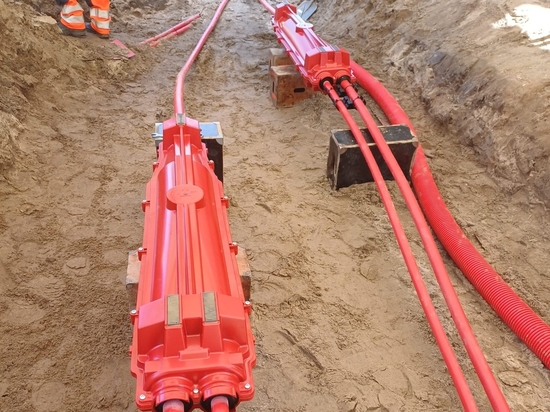
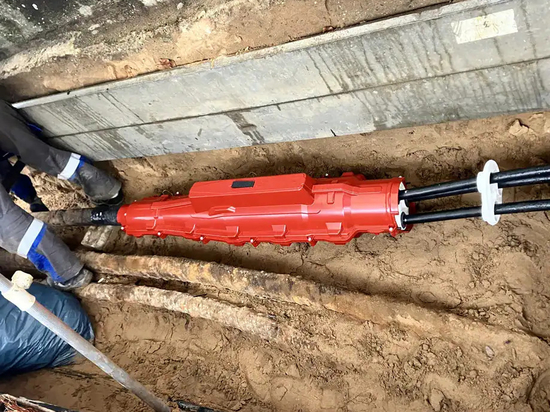
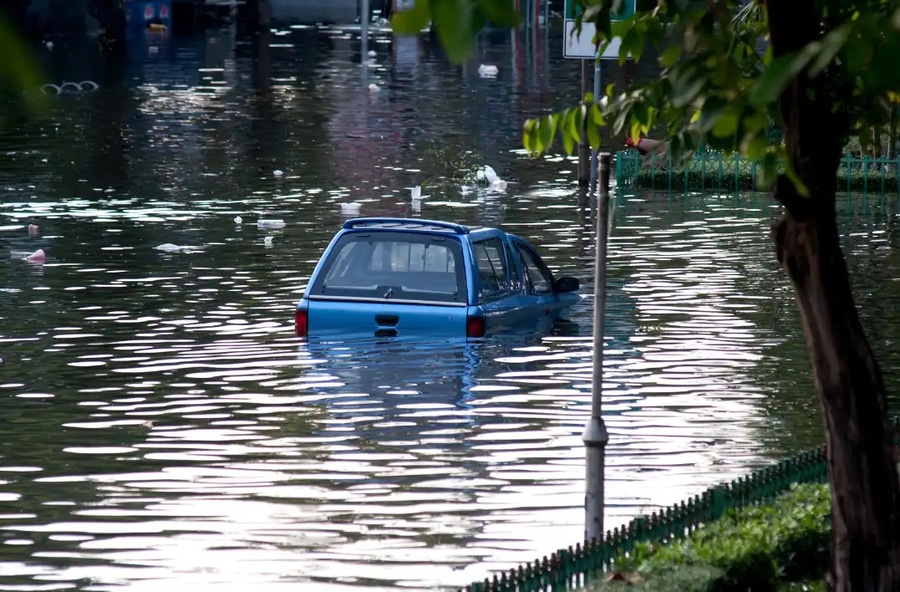
Flooded cable trenches, high groundwater levels and extreme weather events are placing increasing pressure on underground power networks. In these environments, the reliability of a cable joint can determine the reliability of the entire network.
Across the world, utilities and network operators are facing a growing challenge: keeping underground power networks reliable in increasingly wet conditions. Rising groundwater levels, recurring flooding and waterlogged soil create demanding environments for medium-voltage cable systems. While power cables are generally designed to withstand these conditions, cable joints often represent the most critical point in the network. A failure at a single joint can lead to outages, costly repairs and unplanned maintenance interventions.
For many years, water exposure was seen as an exception. Today, it is increasingly becoming a permanent design consideration. Urban expansion, climate change and more frequent extreme weather events mean that underground cable networks are more likely than ever to encounter flooded cable trenches and prolonged exposure to moisture. Network operators are therefore looking beyond the cable itself and placing greater emphasis on cable accessories and cable jointing solutions.
The challenge is not simply keeping water away from a cable joint. Long-term network reliability depends on maintaining electrical insulation, preventing water ingress and protecting the joint against environmental influences throughout its service life. Even a small weakness in sealing performance can eventually result in insulation degradation, reduced performance and network failure. This is why waterproof cable joints have become an essential part of modern power distribution networks.
Reliable waterproof cable jointing requires a system-level approach. Waterproof performance is not determined by one component alone but by the complete cable joint system. Effective sealing between cable and joint, resistance to hydrostatic pressure, mechanical robustness and stable electrical performance all contribute to long-term reliability in underground cable networks. Network operators increasingly specify waterproof cable joints that have been tested under real submerged conditions rather than relying on individual component specifications.
Waterlogged environments can be found in many different applications. Medium-voltage networks in urban areas often face high groundwater levels. Renewable energy projects are frequently developed in remote locations with challenging soil conditions. Industrial facilities and utility infrastructure may be exposed to temporary flooding throughout their operational lifetime. In all these situations, selecting the right cable jointing solution can help reduce outages, improve network resilience and lower lifetime maintenance costs.
As underground electricity networks continue to expand, the importance of waterproof cable joints will only increase. Utilities, contractors and engineers are recognising that climate resilience starts with reliable infrastructure. By choosing cable jointing solutions designed specifically for wet and submerged environments, network operators can improve the reliability, safety and lifetime performance of critical underground power networks.
Learn more about waterproof cable joints for underground applications and discover how system-tested cable jointing solutions can support long-term network reliability in waterlogged environments.