#Product Trends
Transition Joints for Grid Modernization: Connecting Old and New Power Cable Networks
Reliable cable connections for connecting legacy infrastructure with modern medium-voltage cable networks.
As electrical networks evolve to support renewable energy integration, electrification and growing electricity demand, utilities are increasingly faced with the challenge of connecting new cable technologies to existing infrastructure. Replacing an entire cable network is rarely practical or cost-effective. Instead, network operators need reliable solutions that allow old and new cable systems to work together safely.
Transition joints play a critical role in modern grid modernization projects. They provide a dependable connection between different cable constructions, insulation types and generations, helping utilities extend asset life while upgrading network performance.
Across many medium-voltage networks, decades-old cable systems remain in service alongside newer XLPE cable technologies. During phased replacement programs, utilities often need to connect paper-insulated lead-covered cables to XLPE cables, older polymeric cables to modern cable systems and different conductor materials within the same network. Without a properly engineered transition joint, these connections can become a weak point in the network and increase the risk of failures, outages and costly repairs.
Power grid operators are under increasing pressure to improve network reliability while minimizing disruption and project costs. Transition joints make it possible to modernize electrical infrastructure step by step rather than replacing entire cable routes at once. This approach supports grid modernization projects, substation upgrades, renewable energy integration, urban network expansion and long-term asset life extension programs.
By enabling seamless connections between different cable generations, transition joints help utilities accelerate upgrade projects while maintaining network continuity. They offer a practical solution for connecting legacy infrastructure with modern cable technologies while reducing unnecessary replacement costs.
A high-quality transition joint must deliver long-term electrical and mechanical performance regardless of cable type differences. Utilities require solutions that can withstand environmental influences, operational stresses and changing grid conditions throughout the asset lifecycle. Reliable performance is essential for maintaining network availability and ensuring long-term electrical grid reliability.
The energy transition continues to transform power distribution networks around the world. As utilities expand networks, increase renewable energy connections and upgrade aging assets, the need for reliable transition technology continues to grow. Transition joints provide a cost-effective and future-proof solution that helps network operators modernize medium-voltage cable systems while maintaining operational reliability.
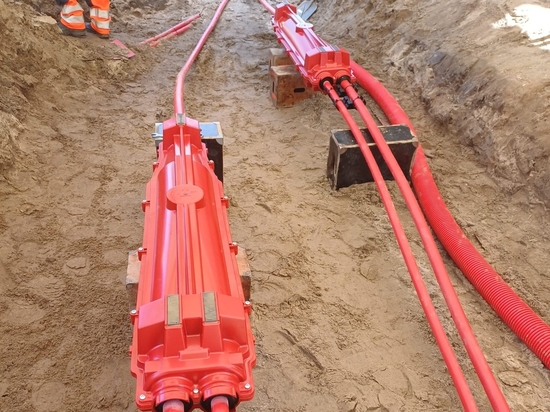
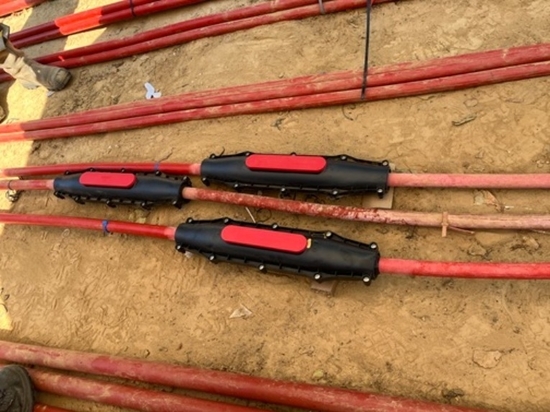
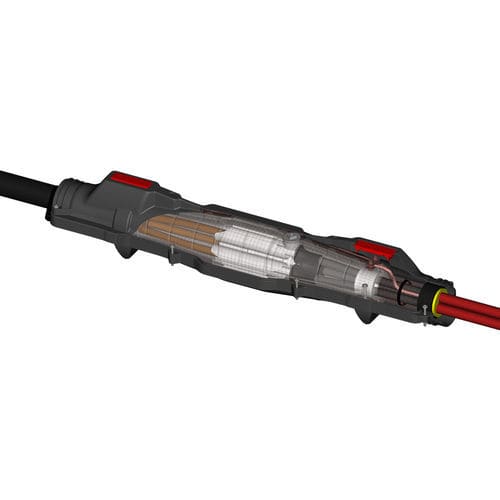
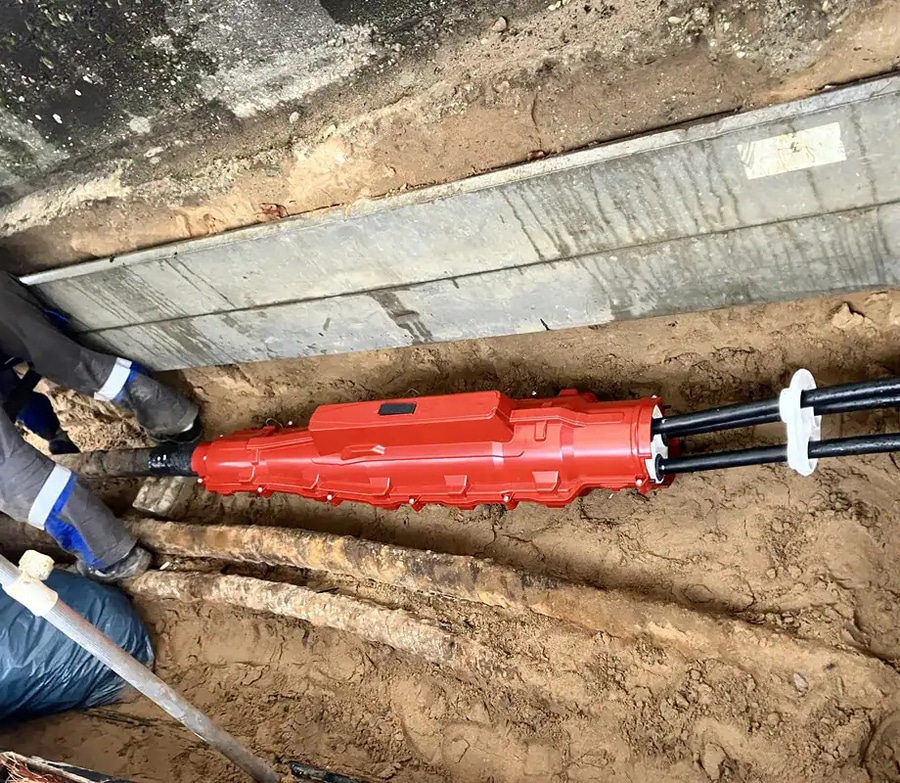
Lovink Transition Joints are designed to provide safe, durable and reliable connections between different cable technologies. Their proven design supports efficient installation, long service life and dependable operation in demanding utility environments.