#Industry News
Zinc: Abundance, Recycling, and Industrial Performance
A key material enabling robust, local, and low-carbon value chains
Zinc is a strategic metal for modern industry, widely used in galvanizing, technical alloys, and high-precision components. Unlike many so-called critical raw materials, zinc benefits from a strong and well-distributed resource base.
Estimated zinc resources in the Earth’s crust reach approximately 2.8 billion tonnes, ensuring long-term availability. Proven reserves, corresponding to currently operating and economically viable mines, amount to around 250 million tonnes. Global annual consumption is close to 18 million tonnes, a level partially offset by one of zinc’s major industrial strengths: recyclability. Nearly 50% of annual zinc demand is supplied by recycled material, significantly reducing pressure on primary resources.
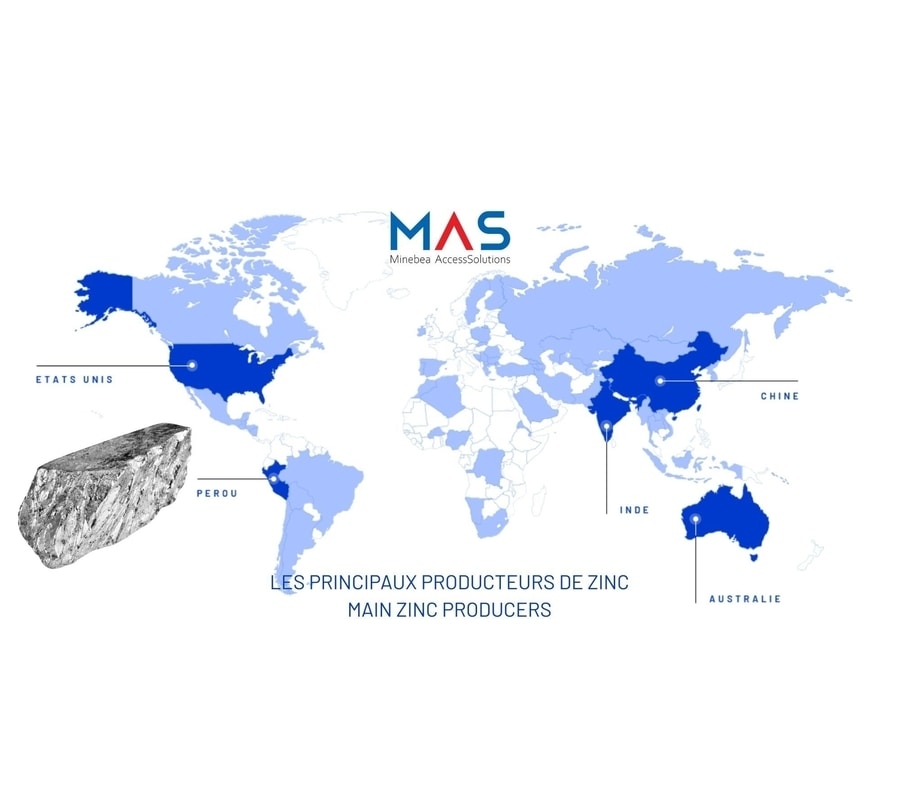
Global production is led by China, the United States, India, Peru, and Australia. More importantly, zinc’s wide geological distribution makes it a true local resource, enabling shorter supply chains, improved resilience, and a lower carbon footprint—a decisive advantage for sustainable industrial development.