#White Papers
Technical article: Overview of lead-free galvanic cell-type oxygen sensors (O2 sensors)
Environmentally friendly oxygen sensors without using lead
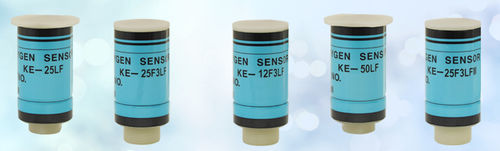
Maxell's galvanic cell-type oxygen sensors are small, lightweight, and operates at room temperature, making it easy to measure oxygen concentration. These sensors are not only used for prevention of oxygen deficiency but also in various fields such as medical, exhaust gas measurement, biotechnology equipment, food storage, and education.
Generally, metallic lead is used in the electrode (anode) of oxygen sensors. However, lead is a toxic substance, posing risks of soil pollution, marine pollution, and harmful impacts on human health.
Lead is naturally present in the environment, and we ingest small amounts through food. However, industrial activities release lead into the soil, air, and water, where it accumulates, contaminating ecosystems and entering our bodies, potentially affecting our health. Hence, it is essential to minimize lead emissions into the environment. For these reasons, lead use in household appliances and children's toys is regulated, and lead-free compliance (not using lead in products) is advancing worldwide. Thus, lead-free compliance is an important issue in modern society.
Lead-free technology is a significant challenge for galvanic cell-type oxygen sensors, and it has been difficult to develop a reliable alternative to leaded oxygen sensors. As of July 2024, leaded galvanic cell-type oxygen sensors are exempt from the European RoHS directive, allowing their continued use globally.