#Product Trends
Auto Exhaust Blanket for Automotive Thermal Protection
Auto Exhaust Blanket
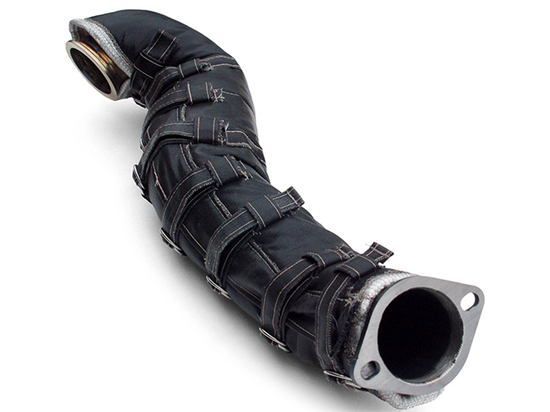
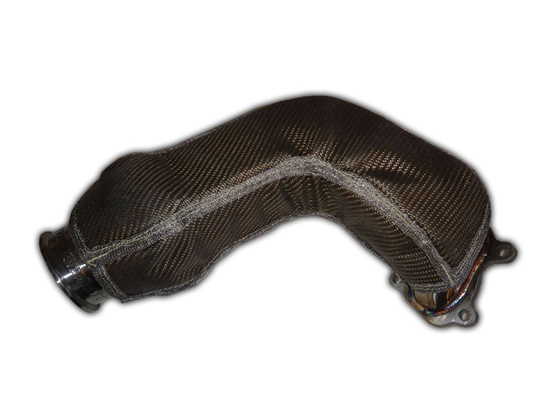
An auto exhaust blanket is a high-temperature thermal protection cover designed to control heat generated by an automotive exhaust system. It can be used around exhaust manifolds, turbochargers, exhaust pipes, downpipes and other components where excessive heat can affect nearby parts or increase temperatures inside the engine compartment.
Modern automotive exhaust systems operate under demanding thermal conditions. Turbocharged engines, high-output engines, diesel powertrains and performance vehicles can generate substantial exhaust heat. When hot exhaust components are positioned close to wiring, hoses, intake systems, sensors or other engine components, thermal management becomes an important part of the overall system design.
An automotive exhaust blanket provides a barrier between the hot exhaust component and the surrounding engine compartment. Depending on the construction, it can reduce radiant heat transfer, lower external surface temperatures and help protect heat-sensitive components.
BSTFLEX manufactures custom auto exhaust blankets for different automotive exhaust configurations, including manifolds, turbocharger housings, exhaust pipes, downpipes and other high-temperature components.
What Is an Auto Exhaust Blanket?
An auto exhaust blanket is a shaped insulation cover that surrounds a hot automotive exhaust component.
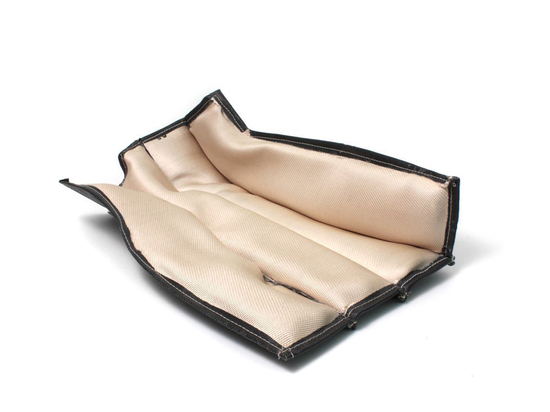
The blanket normally consists of several layers rather than a single sheet of insulation. The outer fabric protects the insulation, the insulation core provides thermal resistance and the inner layer is selected according to the temperature of the exhaust component.
A fastening system keeps the blanket securely positioned.
Depending on the application, an automotive exhaust blanket may include:
High-temperature fiberglass fabric
Silica fabric
Ceramic fiber insulation
Aluminized outer fabric
Silicone-coated fiberglass
Stainless steel fastening hardware
Reinforced edges
Custom openings and cutouts
The material combination is selected according to the operating temperature, available space and mechanical conditions.
Why Use an Exhaust Blanket on an Automobile?
Heat from the exhaust system can affect surrounding components when there is limited clearance inside the engine bay.
Potentially sensitive components include:
Wiring harnesses
Rubber hoses
Fuel lines
Intake components
Sensors
Plastic components
Electrical connectors
Engine control components
Nearby body panels
An auto exhaust blanket helps reduce direct radiant heat exposure from the hot exhaust component.
The primary objectives can include:
Reducing radiant heat transfer
Lowering external surface temperatures
Protecting nearby components
Improving engine-bay thermal management
Reducing heat exposure to wiring and hoses
Helping maintain more controlled temperatures around sensitive equipment
Providing a compact thermal protection solution
The actual temperature reduction depends on the exhaust temperature, blanket construction, insulation thickness, installation clearance and surrounding airflow.
Automotive Components That Can Use Exhaust Blankets
Automotive exhaust systems contain many different components, and each may require a different insulation design.
Exhaust Manifold
The exhaust manifold collects gases from multiple engine cylinders and can reach very high temperatures.
A custom exhaust manifold blanket can be designed around the shape of the manifold and its mounting configuration.
Turbocharger
Turbochargers are particularly important thermal-management locations because the turbine side is exposed to high-temperature exhaust gas.
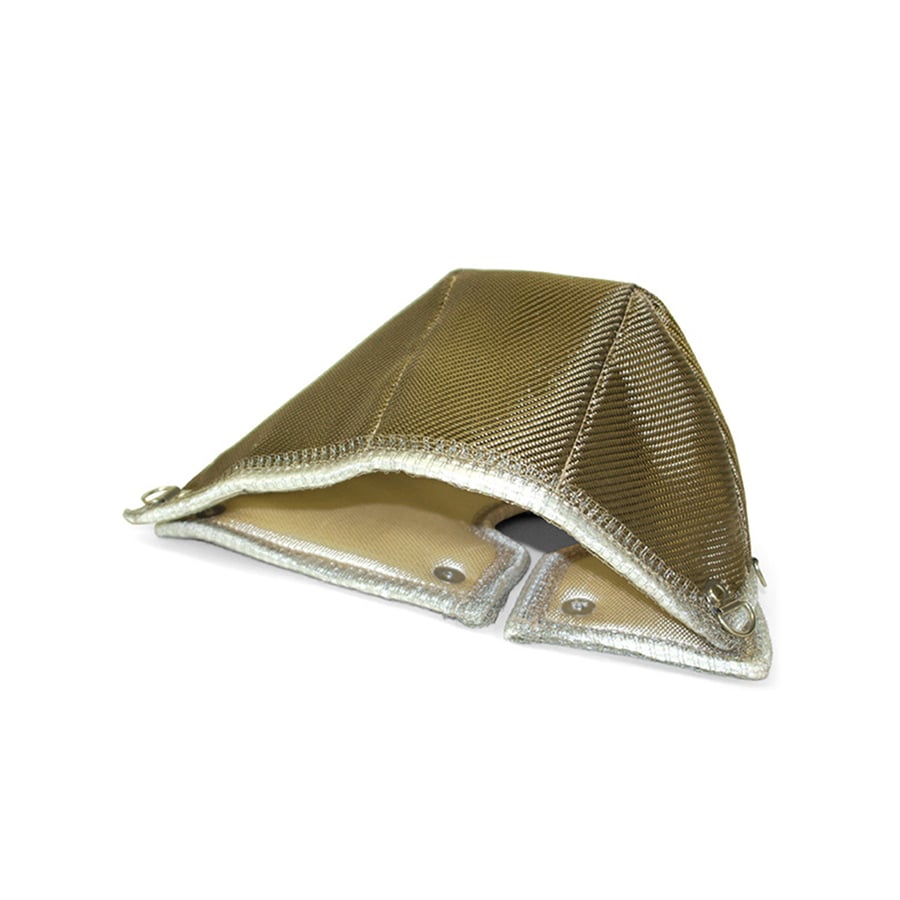
A turbo blanket can reduce radiant heat from the turbocharger and help protect nearby components.
Downpipe
A downpipe may run through a relatively confined area of the engine compartment.
An exhaust pipe blanket can reduce heat transfer from the downpipe to surrounding components.
Exhaust Pipe
Straight or moderately curved exhaust pipes can be insulated with fitted blanket sections.
The design can incorporate openings around clamps, sensors and connection points.
Exhaust Elbow
Exhaust elbows require shaped patterns because of their changing geometry.
A custom blanket can be produced from multiple panels to follow the component more accurately.
Auto Exhaust Blanket Material Selection
The correct auto exhaust blanket material depends on the operating conditions of the application.
Temperature should be considered first, followed by available space, flexibility, vibration and required durability.
Fiberglass
Fiberglass fabric and insulation are commonly used for automotive thermal protection where the operating temperature falls within the material's specified range.
Fiberglass provides a flexible solution for many exhaust pipe and engine thermal-management applications.
Silica
Silica fabric provides excellent resistance to high-temperature exposure and can be used for demanding automotive exhaust applications.
It is suitable for high-temperature areas where greater thermal resistance is required.
Ceramic Fiber
Ceramic fiber can be used as the insulation core for applications involving particularly high exhaust temperatures.
It provides high-temperature insulation performance while allowing the blanket to be fabricated into a fitted thermal cover.
Aluminized Fabric
Aluminized fabric can be used as an outer layer when reflective heat protection is required.
It can help reflect radiant thermal energy away from nearby areas.
Silicone-Coated Fiberglass
Silicone-coated fiberglass provides a flexible protective outer surface and can be used where the blanket will experience frequent handling or mechanical contact.
The coating can also help protect the underlying fabric during installation and service.
The best auto exhaust blanket material is determined by the actual operating conditions rather than by selecting the highest-temperature material automatically.
Automotive Exhaust Blanket Design
An automotive exhaust blanket needs to fit the component while allowing the exhaust system to function normally.
Important design factors include:
Component temperature
Component dimensions
Exhaust geometry
Available clearance
Engine vibration
Thermal expansion
Fastening method
Maintenance access
Nearby heat-sensitive components
Automotive engine compartments can be especially challenging because the available space is limited.
A blanket that is too thick may interfere with adjacent components, while insufficient insulation may not provide the desired thermal protection.
For this reason, custom dimensions and material combinations are often more practical than generic insulation products.
Custom Auto Exhaust Blankets
Automotive exhaust systems vary between vehicle models, engine platforms and power configurations.
A custom auto exhaust blanket can be designed according to the actual component.
Customers can provide:
Component dimensions
Exhaust diameter
Component drawings
CAD files
Photographs
Physical templates
Operating temperature
Available clearance
Required insulation thickness
Custom openings can be included around sensors, mounting brackets, clamps and connection points.
The result is a fitted insulation product rather than a universal cover.
Exhaust Blanket for Turbocharged Automotive Engines
Turbocharged engines are an important application for exhaust thermal management.
The turbocharger receives high-temperature exhaust gases and can become a concentrated source of radiant heat within the engine compartment.
A properly designed turbo and exhaust insulation system can help reduce heat exposure around:
Intake systems
Wiring
Brake components
Fluid lines
Sensors
Plastic components
Engine-bay structures
For turbocharger applications, the insulation material must be selected according to the actual temperature of the component.
A high-temperature construction can be developed using silica, ceramic fiber or other suitable materials where required.
Automotive Exhaust Blanket vs Exhaust Wrap
An exhaust wrap is generally installed by winding a flexible strip around the exhaust component.
An exhaust blanket is manufactured as a fitted cover.
This distinction becomes important when the component has an irregular shape or needs regular service access.
An automotive exhaust blanket can provide:
A more controlled fit
Defined insulation thickness
Removable construction
Custom openings
Sectional designs
Easier access for maintenance
Exhaust wrap can remain useful for certain simple pipe applications, but a fitted blanket may be more suitable for complex automotive exhaust components.
Removable Automotive Exhaust Blankets
Automotive engines require inspection and maintenance.
Exhaust components may need to be removed during engine service, turbocharger replacement or exhaust-system modification.
A removable blanket allows the insulation to be detached without destroying the entire thermal protection system.
The fastening system can be designed around the specific component.
Possible fastening methods include:
Stainless steel wire
Stainless steel straps
Buckles
Hooks
Lacing systems
Mechanical closures
For larger components, the blanket can be divided into multiple sections.
This is particularly useful when only one part of the exhaust system needs to be accessed.
Automotive Thermal Protection in Restricted Spaces
The engine bay of a modern vehicle can contain many components within a small volume.
Exhaust components may be located close to:
Air intake systems
Battery cables
Wiring harnesses
Fuel systems
Cooling hoses
Hydraulic components
Electronic sensors
Plastic engine components
Reducing radiant heat from the exhaust can therefore form an important part of the vehicle's thermal-management strategy.
The blanket should be designed according to the available clearance so that it provides thermal protection without creating installation interference.
Auto Exhaust Blanket for Performance Vehicles
High-performance automotive applications can have particularly demanding exhaust temperatures.
Performance engines, turbocharged powertrains and racing-oriented exhaust systems may require additional thermal protection around the engine bay.
A custom high-temperature exhaust blanket can be designed for:
Performance cars
Turbocharged vehicles
High-output engines
Motorsport applications
Modified exhaust systems
Track vehicles
Specialty automotive equipment
Material and construction should be selected according to the actual operating conditions of the vehicle.
Auto Exhaust Blanket for Diesel Vehicles
Diesel engines also generate substantial exhaust heat, particularly in turbocharged applications.
An automotive exhaust blanket can be used around exhaust manifolds, turbocharger exhaust sections and pipes where nearby components require thermal protection.
For diesel applications, the design should account for the engine's operating temperature, vibration and available installation space.
Selecting an Auto Exhaust Blanket
Before selecting an automotive exhaust blanket, several parameters should be established.
Parameter Importance
Exhaust temperature Determines suitable material
Maximum temperature Establishes required temperature capability
Component geometry Determines blanket pattern
Available clearance Limits insulation thickness
Nearby components Identifies areas requiring heat protection
Engine vibration Influences fastening design
Maintenance requirements Determines removable construction
Required thermal performance Helps determine insulation thickness
Vehicle application Defines operating conditions
A properly specified blanket should provide the required thermal protection without interfering with the vehicle's exhaust system.
Custom Automotive Exhaust Blanket Manufacturer
BSTFLEX manufactures custom auto exhaust blankets and automotive thermal protection products for high-temperature exhaust applications.
Blankets can be designed for exhaust manifolds, turbochargers, downpipes, exhaust pipes, elbows and other engine thermal-management components.
Depending on the application, materials can include fiberglass, silica, ceramic fiber, aluminized fabric, silicone-coated fiberglass and other high-temperature textiles.
Custom dimensions, insulation thicknesses, openings and fastening systems can be incorporated into the finished product.
For automotive applications requiring a custom exhaust blanket, customers can provide component drawings, dimensions, photographs or physical templates together with the operating temperature and installation requirements.
The insulation can then be engineered around the actual exhaust component to provide practical thermal protection for the vehicle's engine compartment.