

#Product Trends
Steam Separator Insulation Covers: Allowing Access to Drains and Inspection Points
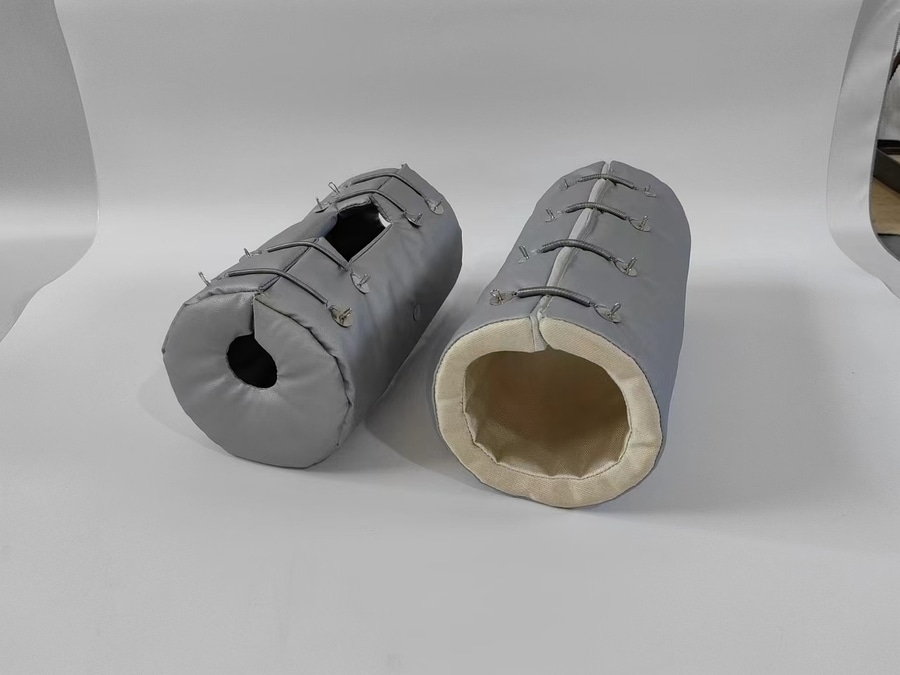
Steam Separator Insulation Cover
The shell diameter is usually easy to obtain when ordering steam separator insulation covers. The difficult information is often below the vessel: a drain connection, a compact trap assembly, a support or a pipe that leaves little room for a hand. Begin the survey there, then work outward to the larger surfaces.
A steam moisture separator insulation jacket provides external thermal coverage. It does not separate water from steam or compensate for a drainage fault. Keep the separator's process function and the cover's construction as separate items in the project review.
Survey the vessel from the drain upward
A photograph cropped at the bottom of the separator omits the area most likely to affect the pattern. Show the drain outlet and the attached fittings as far as the first clearly accessible maintenance point. Identify the equipment that must remain visible and the components that need independent removal.
Do not assume that a connected steam trap can be enclosed with the vessel. Its insulation suitability needs a separate check against its model and manufacturer instructions. A sensible separator layout may terminate above the drainage assembly or use a separate lower panel, depending on the approved boundary.
Vertical and horizontal layouts
For a vertical vessel, ask where the body panel can be opened and withdrawn without catching on side connections. For a horizontal vessel, examine access beneath it as carefully as access from the aisle. A fastening arrangement that looks convenient on a drawing may be unreachable behind a saddle or platform.
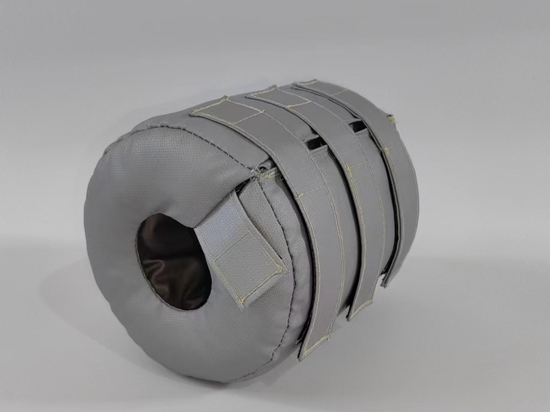
Mark the installed top and bottom on the removable separator insulation blanket drawing. Then review the removal path for each section. If a panel needs to pass through a gap narrower than its finished thickness, the planned split should be reconsidered before fabrication.
Head and nozzle geometry
Record the straight shell length separately from the depth of each end head. Include the shape of the head and the position of every nozzle. A moisture separator thermal jacket that is dimensioned only by overall length leaves the fabricator to guess where the curved and straight surfaces meet.
At the inlet and outlet, measure the installed flange envelope and the adjoining insulation. State whether those flange joints are included in the separator order. Where another contractor supplies pipe insulation, agree the interface dimensions and responsibility for the overlap in writing.
Choose inspection access by task
Build the access plan around actual inspection tasks. A regularly read instrument may stay exposed. An occasional inspection opening may justify a detachable panel. A rarely accessed shell area may not need an additional flap at all. Each extra opening should have a clear purpose because it adds another edge to fit and maintain.
For condensate separator insulation, pay particular attention to lower pockets and closure positions. A removable textile assembly should not be treated as a sealed enclosure. Ask how the proposed arrangement accommodates site inspection and what the maintenance team should do if the insulation becomes wet or contaminated.
Put the boundary in the purchase description
Describe the steam separator jacket by equipment tag, orientation, covered area and panel count, with references to the drawing. Add normal and maximum external surface temperatures, environmental exposure, desired insulation thickness or thermal objective, and any handling restrictions around the vessel.
Before approving production, review one drawing that shows both the insulated surfaces and the connections outside them. This helps the buyer see exactly what the quoted assembly contains. For a group of separators, identify installation differences instead of assuming that equal vessel dimensions mean interchangeable covers.

 鄂公网安备42018502009509号