#Product Trends
Tips for Using Catalytic Combustion Gas Sensors
combustible gas analyzert
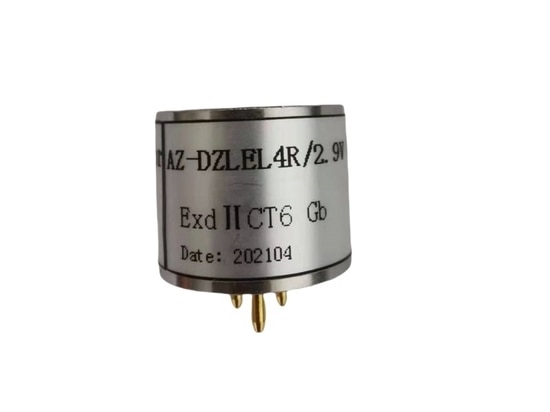
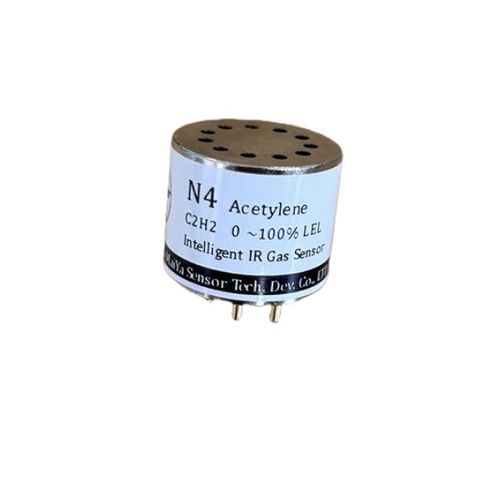
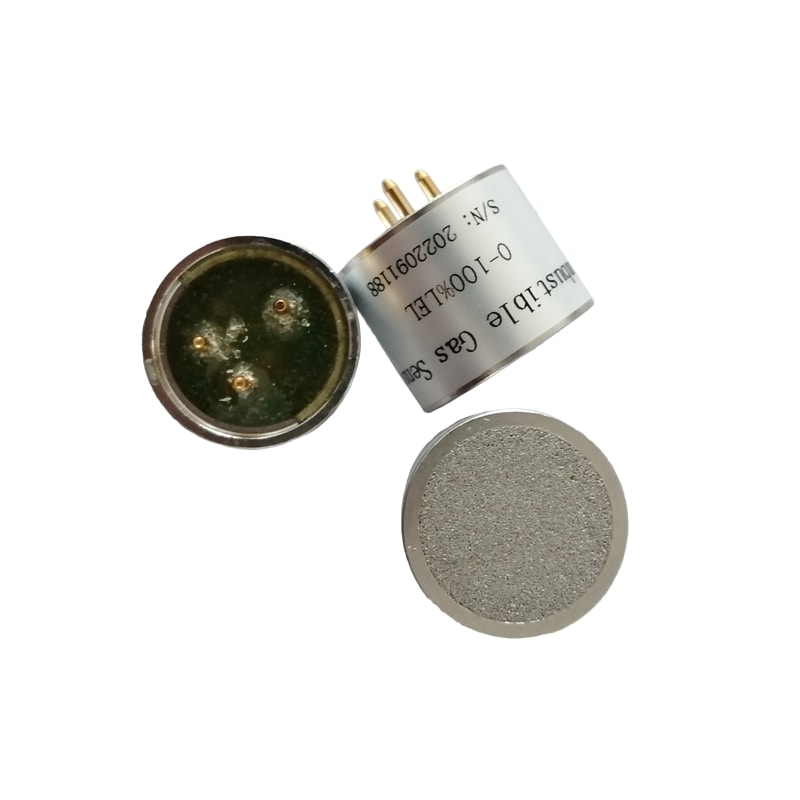
The catalytic combustion method sensor is a type of gas sensor that is specifically designed to detect various combustible gases and is the most widely used in this field. It detects gases based on the heat generated by the combustion of combustible gases on an oxidation catalyst. Catalytic combustion gas sensors have a high reaction rate and perform excellently in terms of responsiveness, accuracy, and reproducibility. After the sensor is powered on, the internal precious - metal coil heats the detection element to a temperature between 300°C and 450°C. Combustible gases burn on the surface of the detection element, causing the temperature of the element to rise. The resistance of the precious - metal coil increases as the temperature rises, and the change in resistance is almost proportional to the gas concentration. The bridge circuit inside the sensor enables the sensor to recognize the change in resistance and convert it into a voltage signal output to determine the gas concentration.
This sensor responds to all combustible gases, so it is not suitable for identifying the concentration of a specific gas in a complex combustible gas environment. Due to the combustion principle of the sensor, when the concentration of combustible gases is too high, incomplete combustion of the gases will cause carbon deposition on the detection element. This will significantly reduce the detection accuracy and service life of the detection element. Therefore, when using the sensor, a protection mechanism should be added to the external circuit: when the gas concentration detected by the sensor reaches 100% LEL (Lower Explosive Limit), the power supply to the sensor should be cut off to protect the sensor from damage.