#Industry News
Full-Process Gas Leak Prevention Guide for Wastewater Treatment Plants: Beware of These Invisible Killers!
Build a Solid Safety Line: Establishment of Gas Leak Prevention System for Each Process Section of Wastewater Treatment Plants
Full-Process Gas Leak Prevention Guide for Wastewater Treatment Plants: Beware of These Invisible Killers!
Introduction
Wastewater treatment plants are the "purifiers" of urban water environments, but their complex technological processes hide multiple lethal gas safety hazards. Accidents such as hydrogen sulfide poisoning, methane explosions and chlorine leaks occur frequently, and have become the top threat to safe production in the wastewater treatment industry. According to statistics from the Ministry of Emergency Management of China, in the past 3 years, there have been 42 confined space gas poisoning and explosion accidents in the national wastewater treatment and related industries, resulting in 117 deaths, of which more than 90% were caused by inadequate gas detection and lack of prevention and control measures.
The types, concentrations and leakage risks of gases produced in different process sections vary greatly, and a single detection device cannot meet the needs of full-process prevention and control. Starting from the full technological process of wastewater treatment, this article systematically sorts out the gas risk points of each link and provides targeted detection solutions to help enterprises build a scientific and perfect gas safety prevention and control system.
I.Pretreatment Stage: High-Risk Zone for High-Concentration Hydrogen Sulfide
Pretreatment is the first process of wastewater treatment, which mainly removes floating objects, grit and large particle impurities in wastewater through physical methods to create conditions for subsequent biochemical treatment. This stage includes three core units: coarse/fine screens, grit chamber and equalization tank.
1、Core Gas Risk: Hydrogen Sulfide (H₂S)
Sulfate contained in wastewater is reduced to hydrogen sulfide by microorganisms under anaerobic conditions. The screen wells, grit chambers and equalization tanks in the pretreatment stage are all closed or semi-closed spaces, which are very easy to cause hydrogen sulfide accumulation. Hydrogen sulfide is a highly toxic gas with a rotten egg smell at low concentrations. At high concentrations, it paralyzes the olfactory nerve, and human inhalation can cause coma or even death within seconds. It should be specially noted that hydrogen sulfide does not only exist in the pretreatment stage, but runs through the entire technological process of wastewater treatment, and is the most important safety threat to the entire wastewater plant.
2、Prevention and Control Solutions
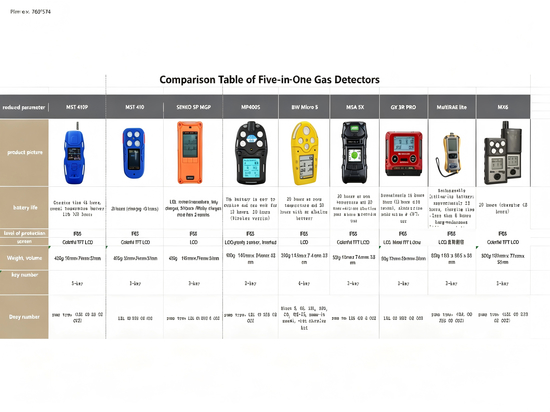
•Daily Inspection: Use the MST 410P Pump-Suction 4-in-1 Gas Detector with extended sampling hoses and float ball accessories. It can extract gas samples deep into the bottom of screen wells and equalization tanks without personnel going down the well, accurately detect hydrogen sulfide concentration, and avoid direct contact of personnel with dangerous environments.
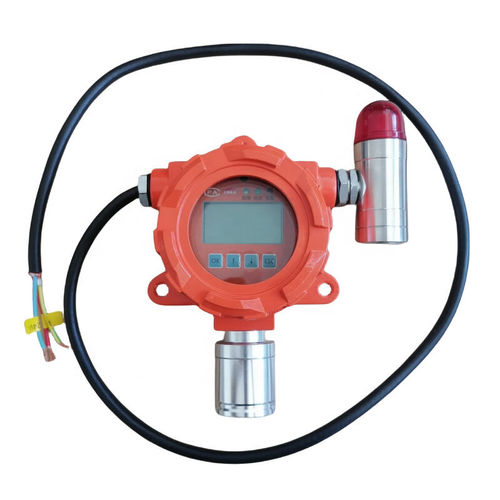
•Fixed-Point Monitoring: Install fixed hydrogen sulfide detectors at the vents and personnel entrances and exits of equalization tanks and grit chambers to realize 24-hour continuous monitoring, and automatically trigger sound and light alarms when the concentration exceeds the standard.
II. Secondary Treatment Stage: Coexistence of Flammable, Explosive and Toxic Gases
Secondary treatment is the core link of wastewater treatment, which degrades organic pollutants in wastewater through microorganisms in activated sludge to achieve nitrogen and phosphorus removal. This stage includes anaerobic tanks, anoxic tanks, aerobic tanks and secondary sedimentation tanks, and is a high-risk area where multiple gases are mixed and produced.
1、Core Gas Risks
01 Methane (CH₄): Microorganisms in anaerobic tanks produce a large amount of methane during the decomposition of organic matter. Methane is a flammable and explosive gas with an explosion limit of 5%-15%. When it accumulates to a certain concentration in a closed space, it will explode when encountering electric sparks or high-temperature surfaces.
02 Ammonia (NH₃): Ammonia is produced when the nitrification reaction in aerobic tanks is incomplete or sludge is anaerobically decomposed. Ammonia has a strong pungent smell and causes serious harm to human respiratory tract and eyes.
03 Hydrogen Sulfide (H₂S): Hydrogen sulfide is still continuously produced in the sludge layers of anaerobic tanks and secondary sedimentation tanks, and excessive concentration will also cause poisoning accidents.
04 Oxygen (O₂): Insufficient aeration in aerobic tanks or poor ventilation in closed spaces will lead to low oxygen concentration and cause personnel suffocation.
2、Prevention and Control Solutions
•Mobile Inspection: Inspectors carry the MST 410 Portable 4-in-1 Gas Detector with them, which can simultaneously detect four gases: H₂S, CH₄, NH₃ and O₂, display concentration data in real time, and alarm immediately when exceeding the standard. It is suitable for daily inspection of each biological tank and secondary sedimentation tank.
•Key Area Monitoring: Install fixed methane and hydrogen sulfide composite detectors at the top of anaerobic tanks, sludge return pump rooms and other areas where methane is easy to accumulate, to monitor gas concentration changes in real time.
III. Advanced Treatment Stage: Toxic Chlorine Leakage Risk
Advanced treatment is based on secondary treatment, which further removes suspended solids, total phosphorus, bacteria and viruses in water through chemical methods to ensure that the effluent quality meets the standard. This stage includes high-efficiency sedimentation tanks, filtration facilities and disinfection facilities.
1、Core Gas Risk: Chlorine (Cl₂)
Disinfection is the last process of advanced treatment. At present, most wastewater treatment plants still use liquid chlorine disinfection process. Chlorine is a highly toxic gas with strong irritation and corrosiveness. After leakage, it will quickly spread to form a yellow-green poisonous fog. Human inhalation will cause respiratory tract damage, pulmonary edema and even death.
2、Prevention and Control Solution
Install MST F100 Fixed Chlorine Gas Detectors at the entrances and exits of chlorination rooms, chlorine cylinder storage rooms and contact disinfection tanks. This equipment adopts high-precision electrochemical sensors, which have extremely high selectivity and sensitivity to chlorine, and can achieve accurate detection in the range of 0-20ppm. The detector can be linked with the plant's ventilation system and emergency shut-off valve. Once chlorine leakage is detected, it will automatically start ventilation and close the chlorine cylinder valve to control the risk from the source.
IV. Sludge Treatment and Disposal Stage: High-Risk Area for Confined Space Operations
Sludge treatment is to reduce, stabilize and harmlessly treat the excess sludge produced by secondary treatment. The main processes include sludge thickening, dewatering and final disposal. Most of the operations in this stage are carried out in closed sludge wells, thickening tanks and dewatering rooms, which are high-incidence areas for confined space accidents.
1、Core Gas Risk
A large amount of hydrogen sulfide, methane and ammonia are produced during the anaerobic decomposition of sludge, and these gases accumulate in closed sludge wells and thickening tanks with extremely high concentrations. During well-down maintenance and desilting operations, if adequate gas detection and ventilation are not carried out, poisoning and explosion accidents are very likely to occur.
2、Prevention and Control Solutions
•Pre-Operation Detection: Before going down the well, it is necessary to use the MST 410P Pump-Suction Gas Detector with an extended hose of more than 10 meters and a float ball to conduct layered detection of gases at different depths in the well. Only after confirming that the concentrations of H₂S, CH₄ and NH₃ meet the standards and the oxygen concentration is between 19.5% and 23.5% can personnel go down the well for operation.
•In-Operation Monitoring: Personnel going down the well must carry the MST 410 Portable 4-in-1 Gas Detector with them to monitor the gas concentration in the operating environment in real time. Ground supervisors can simultaneously grasp the underground situation through the remote data transmission function (optional) of the detector, and immediately organize evacuation once an alarm occurs.
Ⅴ.Core Principles of Gas Detection in Wastewater Treatment Plants
2.Full-Process Coverage: From the inlet screen to sludge disposal, each process section should be equipped with corresponding detection equipment according to the characteristics of gas risks, leaving no safety dead ends.
3.Combination of Fixed Monitoring and Mobile Inspection: Fixed detectors realize 24-hour continuous monitoring, and portable detectors meet the detection needs before daily inspection and confined space operations, complementing each other.
4.System Linkage: Link the gas detection system with the plant's ventilation, alarm and emergency shut-off systems to realize an automated closed loop of "detection-alarm-disposal".
5.Regular Calibration and Maintenance: Gas detectors are precision instruments and must be calibrated and maintained regularly in accordance with the requirements of the manual to ensure accurate and reliable detection data.
Warm Reminder
The gas safety risks of wastewater treatment plants are characterized by concealment, suddenness and lethality, and any carelessness may lead to tragic accidents. Enterprises should establish a perfect gas safety management system, regularly conduct safety training and emergency drills for employees, and equip qualified gas detection equipment and protective supplies, truly achieving "Detect before operation; no detection, no operation"
Interactive Guide
Gas leaks in wastewater plants are silent, sudden, and deadly. An undetected H₂S or CH₄ buildup can cause catastrophic harm to your team and business.
Take action today. Send a private message to claim your free 《Wastewater Treatment Plant Gas Hazard Reference Table.》 Use it to audit your detection coverage, identify high-risk areas, and meet global safety standards.