#Product Trends
Industrial gases and odours: an invisible but measurable risk
VOCs, gaseous compounds and workplace acceptability
Managing industrial gases and odours has become a major sanitary, regulatory and social challenge for production and service facilities.
Industrial gases and volatile organic compounds represent one of the most complex forms of indoor air pollution. By nature invisible, and sometimes imperceptible at low concentrations, they are often detected first through odour-related discomfort rather than through toxicological thresholds. This early perception makes gas and odour issues both a health concern and a human factor, directly influencing workplace comfort, site acceptability and regulatory compliance. In many industrial environments, air quality is no longer assessed solely against exposure limits, but also against how working conditions are experienced by occupants.
VOCs and industrial gases originate from a wide range of sources. Chemical processes, solvents, adhesives, resins, inks, surface treatments and emissive materials release gaseous compounds that can accumulate in occupied spaces. Some of these substances present well-documented health risks, while others primarily generate persistent odour nuisances. In both cases, the impact is tangible, affecting operator comfort, concentration, social climate and the external image of the site, particularly during audits or inspections.
European and national regulations are progressively strengthening requirements related to exposure to gases and volatile compounds, through occupational exposure limit values and general prevention obligations. However, strict compliance with regulatory thresholds is no longer sufficient to guarantee acceptable working environments. Recurrent odour complaints, weak signals reported by employees and increasing difficulties in attracting and retaining staff all demonstrate that indoor air quality has become a key driver of performance and employer attractiveness.
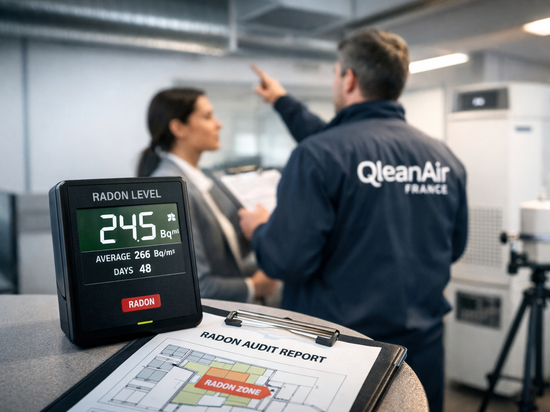
It is within this context that QleanAir France supports industrial operators facing gas and odour challenges. The approach is based on a detailed understanding of the chemical nature of pollutants, their dispersion mechanisms and their interaction with airflow patterns. The first step is to objectively characterise the situation through targeted measurements, enabling a clear distinction between odour perception, actual concentration levels and temporal variability of emissions.
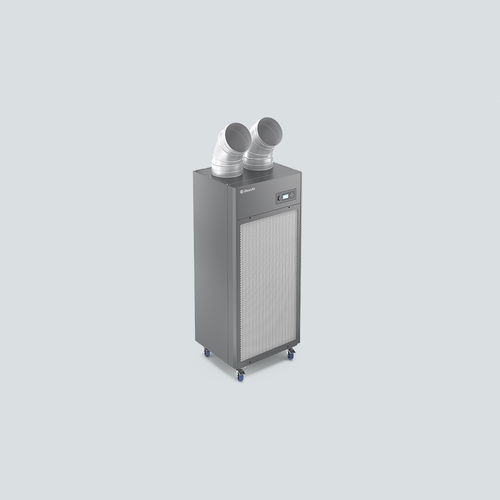
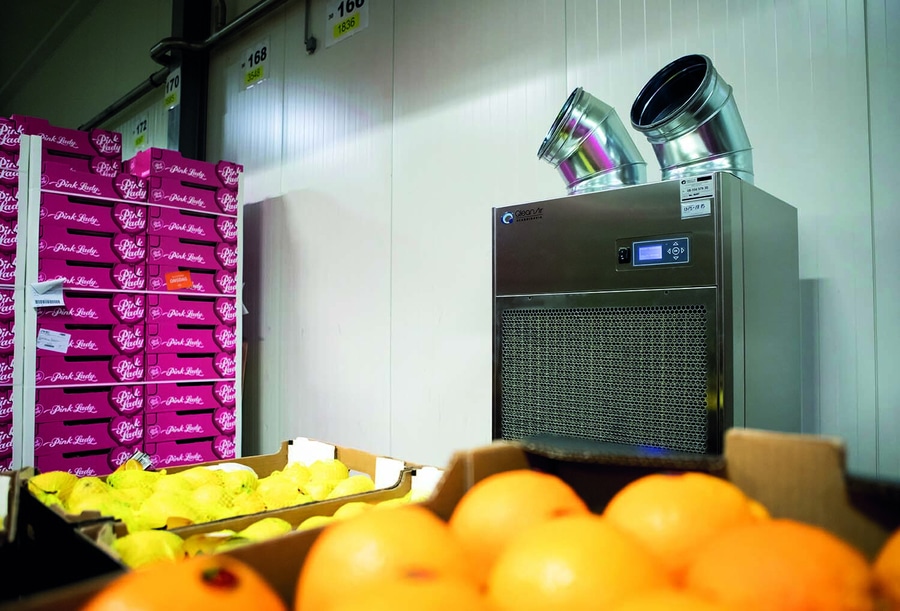
Based on this diagnosis, QleanAir deploys treatment solutions tailored to the specific pollutants involved, combining molecular filtration, adsorption on dedicated media and controlled airflow management. The objective is not to dilute contamination through excessive ventilation, but to capture and treat gaseous compounds as close as possible to their source. This strategy enables a lasting reduction in concentrations, stabilises working environments and limits the spread of odours to adjacent areas.
The control of industrial gases and odours is therefore fully integrated into a broader indoor air quality strategy. By delivering measurable, traceable and site-adapted solutions, QleanAir France helps organisations reconcile regulatory compliance, employee well-being and the long-term acceptability of their working environments.