#Industry News
Work value and European industry: an underestimated lever
Indoor air quality, attractiveness of jobs and sustainable performance
In a European industrial landscape under pressure, working conditions — and indoor air quality in particular — are becoming a strategic driver of work value and long-term performance.
European industry is undergoing a profound transformation, shaped by recruitment tensions, increasing regulatory requirements and constant pressure on operational performance. In this context, the concept of work value is evolving. It is no longer limited to compensation or work organisation, but increasingly reflects the concrete conditions in which employees operate on a daily basis.
Among these conditions, indoor air quality plays a decisive role. In many industrial environments, workers are exposed to airborne pollutants such as dust, fumes, oil mist, fine particles or gaseous compounds. Even when exposure levels remain below regulatory thresholds, degraded air quality can affect health, increase fatigue, reduce concentration and weaken overall engagement. Scientific evidence now clearly shows that poor indoor air quality contributes to absenteeism, reduced vigilance and lower collective performance, while controlled environments support safety, productivity and employee retention.
Indoor air quality is therefore becoming a tangible indicator of how much value an organisation places on its workforce. In an increasingly competitive industrial labour market, it directly influences the attractiveness of industrial jobs, employer branding and the ability of sites to retain skills. At the same time, it acts as a lever for sustainable performance by reducing health-related incidents, non-compliance risks and premature wear of equipment.
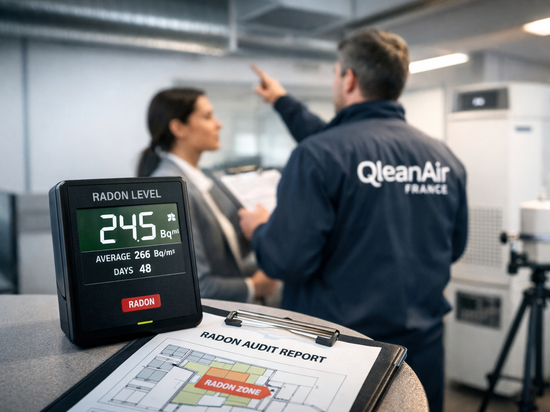
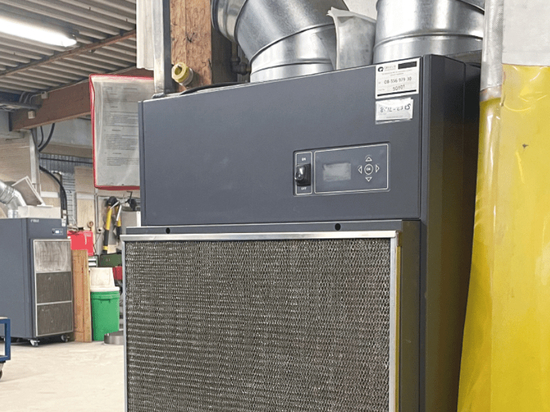
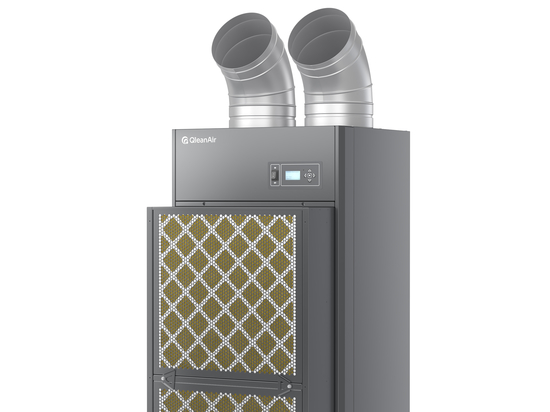
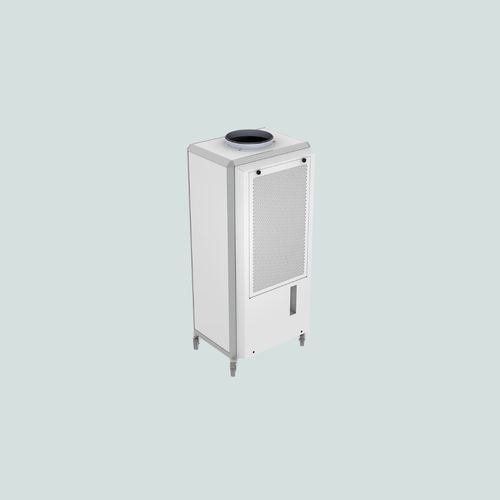
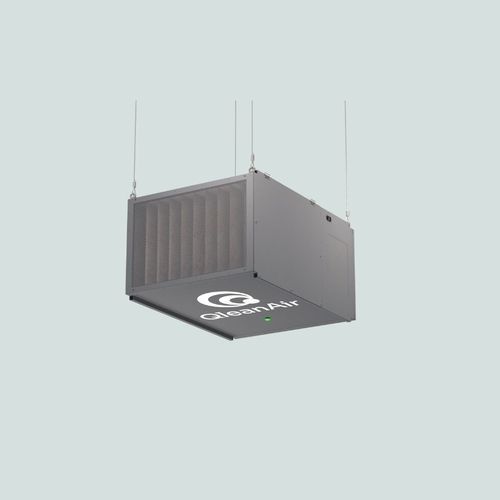
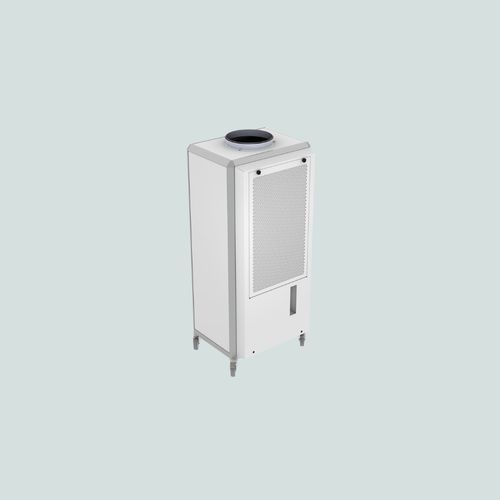
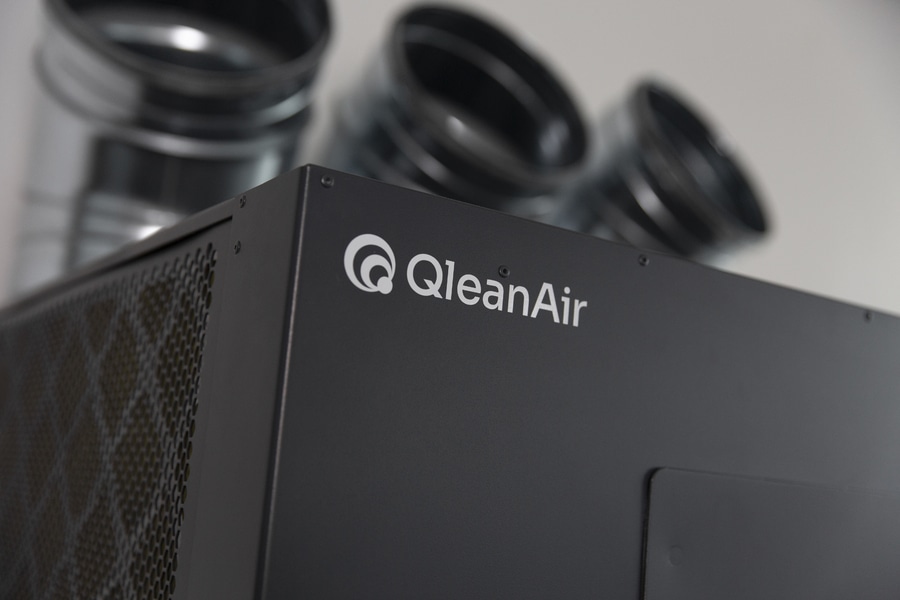
This is where QleanAir France supports industrial companies across Europe. The approach is based on objective and measurable control of indoor air quality, combining airflow analysis, identification of pollution sources and targeted treatment as close as possible to emission points. The goal is not to oversize ventilation systems, but to implement pragmatic solutions aligned with production constraints and real operating conditions.
By integrating air quality into a broader QHSE and industrial performance strategy, companies can transform a health constraint into a competitive advantage. Air quality becomes a core component of work value, alongside safety, ergonomics and work organisation. It contributes to building an industry that is more attractive, more resilient and better aligned with current social and regulatory expectations.
In a European industrial context seeking meaning, talent and long-term sustainability, investing in indoor air quality is no longer a secondary consideration. It is a structural decision, at the intersection of employee protection, process performance and lasting competitiveness.