#Industry News
Vertical or benchtop autoclave? Discover which one best suits your professional environment
Learn the key factors for choosing the ideal autoclave: available space, load volume, and type of application
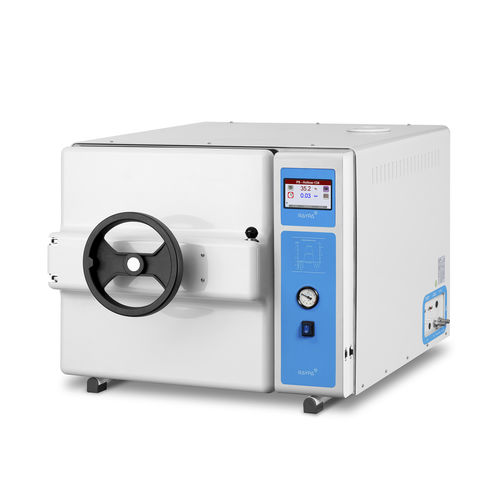
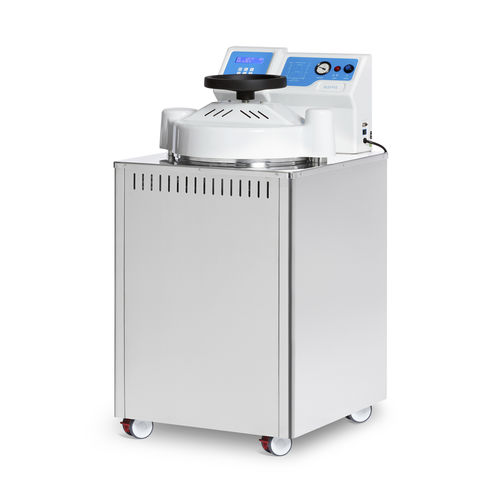
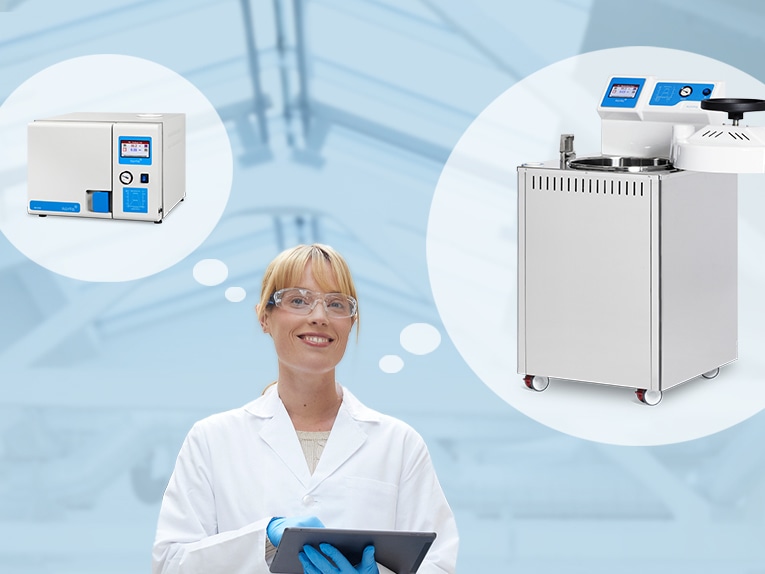
Choosing the right sterilization equipment can significantly impact the efficiency of your laboratory or clinic. Vertical autoclaves and horizontal benchtop models are two of the most commonly used options, each tailored to specific needs. While vertical autoclaves stand out for their large capacity and versatility in sterilizing high volumes, horizontal benchtop autoclaves offer a compact, ergonomic design—ideal for smaller spaces and moderate loads.
The main difference between the two lies in the loading method and the layout of the sterilization chamber. Vertical autoclaves are top-loading, allowing for the processing of larger quantities of material per cycle. They are perfect for high-demand environments such as hospitals, research centers, or large-scale laboratories. On the other hand, horizontal benchtop autoclaves feature front-loading access, making handling easier and reducing physical effort. This makes them especially practical in clinics and laboratories with lower workloads.
Other factors such as available space, the type of materials to be sterilized, and frequency of use also influence the decision. In the full article, we dive into the advantages, limitations, and recommended applications of each type of autoclave to help you make an informed choice and improve the efficiency of your sterilization processes.
Want to know which one best suits your work environment? Find out in the full article.