#Industry News
How to properly clean your autoclave
Learn the essential steps to prevent damage, ensure sterility, and extend your autoclave's lifespan
A dirty autoclave can compromise your sterilization processes, shorten the equipment's lifespan, and even pose safety risks to users. Are you confident that you're providing it with the maintenance it requires?
Autoclaves are indispensable in clinics, laboratories, and research centers, and their optimal performance heavily relies on proper maintenance. However, routine cleaning often doesn't receive the attention it deserves, leading to technical failures, ineffective sterilization cycles, or potential hazards for users.
Cleaning an autoclave isn't merely about aesthetics. The buildup of residues, presence of limescale, or use of inappropriate cleaning agents can compromise both the equipment and the outcomes of the sterilization process. Therefore, it's crucial to know which products to use, which areas need special attention, and how frequently various maintenance tasks should be performed.
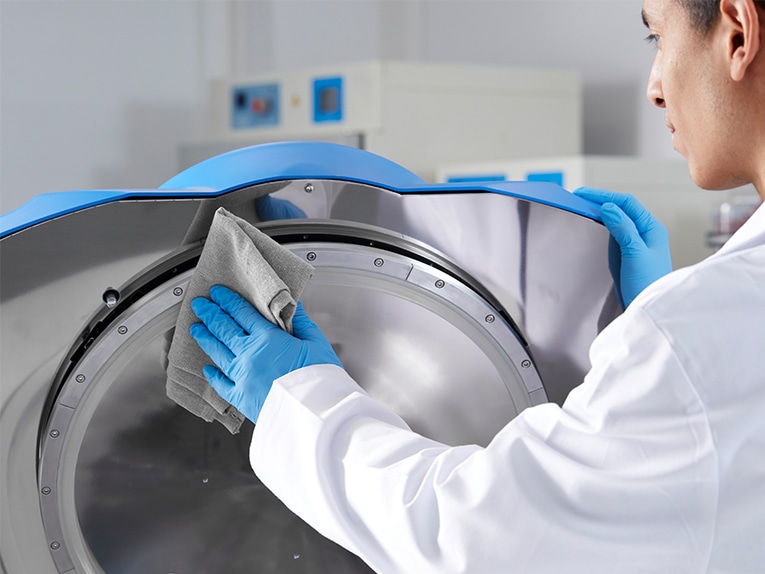
In the full article, we provide a detailed guide on how to correctly clean an autoclave: from the sterilization chamber and water reservoirs to the door gasket and drainage filter. We also highlight common mistakes to avoid, how to tailor maintenance based on usage intensity, and signs indicating that your autoclave may require a more thorough inspection.
Read the complete article on our blog to make sure you are doing the right things to take care of your autoclave.