#Industry News
How to start a crusher plant?
How to Establish a Crusher Plant: A Systematic Guide to Efficient Construction
Establishing an efficient and stable crusher production line is a systematic project that requires scientific planning based on multiple dimensions, including material characteristics and production capacity targets. The core process can be simplified into the following key steps:
First, preliminary research and demand clarification. It is necessary to confirm the type, hardness, and feed particle size of the material to be processed, define the finished product particle size, production capacity, and intended use, and simultaneously survey site conditions and supporting resources to ensure the project complies with environmental protection, safety supervision, and other compliance requirements.
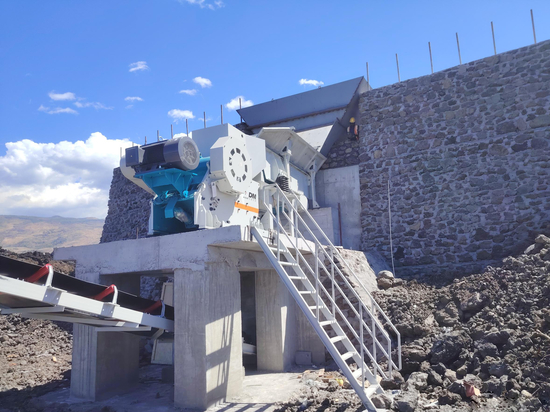
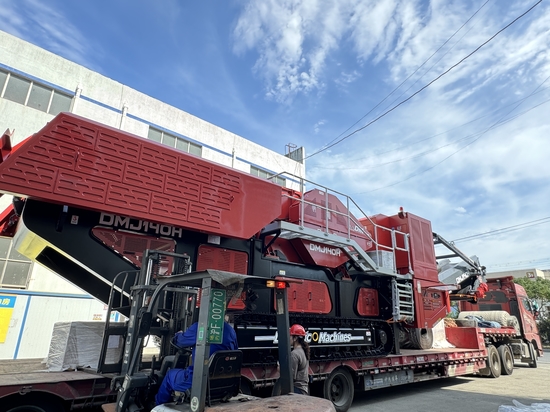
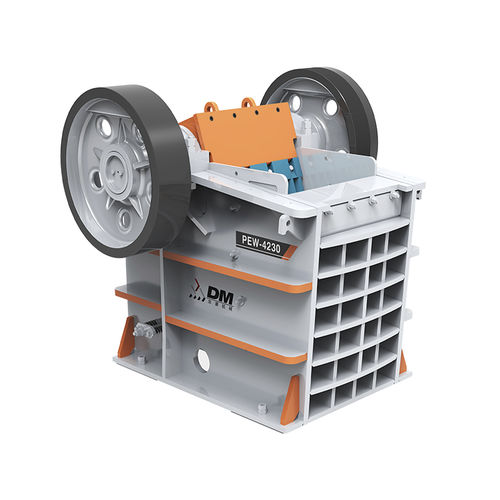
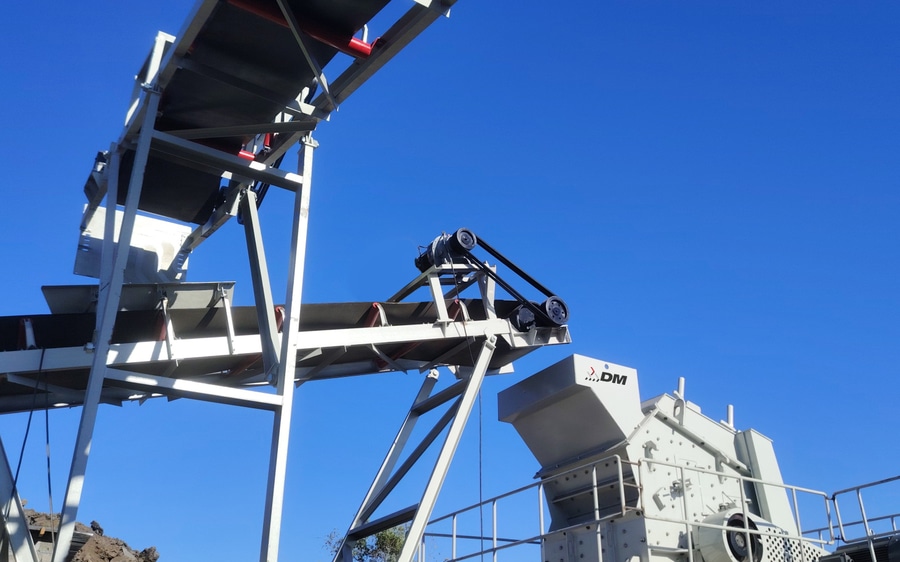
Second, scientific equipment selection and layout design. Equipment should be configured according to the principle of "coarse crushing - medium crushing - fine crushing." Jaw crushers should be selected for coarse crushing, and cone or impact crushers should be selected for medium crushing based on material hardness, along with feeding, screening, conveying equipment, and auxiliary facilities such as dust removal. The layout should follow the material flow sequence, optimize conveying distances, reserve maintenance space, and improve site utilization by incorporating terrain.
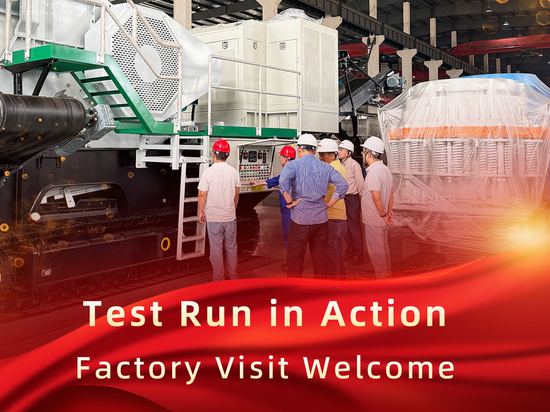
Subsequent steps include infrastructure installation and commissioning. After completing foundation pouring and pipeline laying, a professional team will install and debug the equipment in a standardized manner. Following no-load and load testing to optimize parameters, and after personnel training, the equipment can be officially put into production upon passing environmental and safety compliance inspections.
After production commences, operational optimization is crucial. This includes monitoring production capacity and quality, establishing equipment maintenance logs, controlling operating costs, and simultaneously implementing environmental upgrades to ensure the long-term stable and efficient operation of the production line. The core of this overall approach lies in the precise matching of each stage, using scientific planning to safeguard both economic benefits and compliance.