#Industry News
Construction Waste Resource Utilization - Scientific Disposal and Crushing Equipment Solutions
Construction Waste Resource Utilization - Scientific Disposal and Crushing Equipment Solutions
Construction waste refers to solid waste generated throughout the entire life cycle of the construction industry, specifically including various waste materials produced by construction, demolition, processing and other activities during the new construction, reconstruction, expansion, demolition and daily maintenance of buildings. As a major component of urban solid waste, it is characterized by concentrated generation scenarios, relatively controllable composition and great potential for recycling, which is significantly different from domestic waste and industrial waste. The application of professional crushing equipment is a key link in tapping its recycling value.
Core Classification of Construction Waste
- Construction Waste from Engineering Projects: Generated during new construction or renovation projects, including surplus concrete, mortar residues, waste formwork, steel scrap, waste pipes, etc., accounting for more than 60% of the total construction waste. It is one of the main objects for crushing treatment.
- Building Demolition Waste: Originating from the demolition of old or illegal buildings, its main components include waste concrete blocks, brick and tile fragments, wall materials, door and window frames, steel structures, etc. This type of waste has a large volume and needs to be preprocessed by professional crushing equipment before subsequent disposal.
- Maintenance and Renovation Waste: Produced during daily building maintenance or partial renovation, such as waste ceramic tiles, peeling paint, aged waterproof materials, waste pipelines, etc. It has scattered components and may contain a small amount of harmful impurities, and some recyclable materials need to be subjected to small-scale crushing treatment for recycling.
Paths for Scientific Disposal and Recycling
The scientific treatment of construction waste follows three core principles: source reduction, resource utilization as the core, and harmless disposal as the bottom line, constructing a full-chain treatment system. Among them, crushing equipment runs through the key processes of disposal and plays an indispensable role.
1. Full-Process Disposal Steps
- On-site Classification and Sorting: Set up dedicated areas at construction or demolition sites to classify and store waste concrete, metals, bricks and tiles, wood, etc., ensuring no mixed loading during transportation and laying a foundation for subsequent efficient crushing operations.
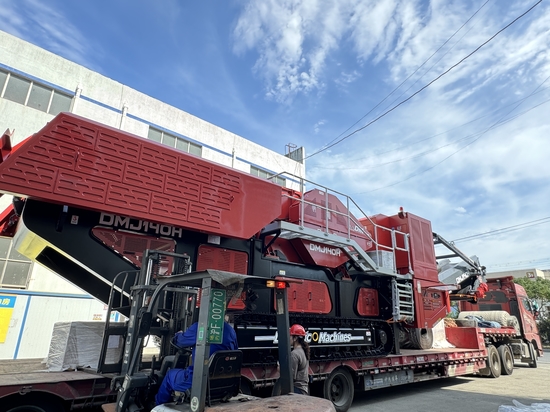
- Preliminary Pretreatment: Use mobile crushing equipment to crush large components on-site, remove pollutants such as paint and plastic, reduce the volume of materials, lower subsequent transportation costs, and improve resource utilization efficiency.
- Sealed Transportation: Adopt closed vehicles to transport classified and crushed waste to compliant disposal sites, preventing leakage and dust pollution along the way and avoiding secondary pollution of crushed materials.
- Deep Processing and Recycling: Through professional crushing equipment combined with screening, cleaning and other processes, process waste concrete and bricks into recycled aggregates for road paving, mortar mixing or precast component production; steel, aluminum and other metal waste are crushed, sorted and then smelted for recycling, with a recovery rate exceeding 90%.
- Harmless Terminal Disposal: Hazardous wastes such as waste paint and waterproof materials are collected separately and professionally treated by qualified enterprises; non-recyclable waste is disposed of by anti-seepage landfilling after crushing and volume reduction, further reducing environmental pollution risks.
2. Policy Support and Industry Trends
Many countries around the world have issued relevant regulations (such as China's "Technical Standard for Construction Waste Treatment"), which compulsorily require the classified management and recycling of construction waste, and at the same time encourage the R&D, promotion and application of high-efficiency crushing equipment. Through incentive policies such as subsidizing recycled building materials production enterprises and supporting relevant innovative enterprises, the high-quality development of the industry is further promoted.
The construction waste disposal industry will focus on two major directions in the future: on-site treatment and digital management. Mobile crushing and screening equipment can realize "on-site recycling", greatly reducing transportation costs and meeting the on-site disposal needs of different scenarios; the Internet of Things and big data technologies will build a traceability system to real-time monitor the amount of waste generated, classification status, equipment operation status and disposal direction, realizing full-process visual management.
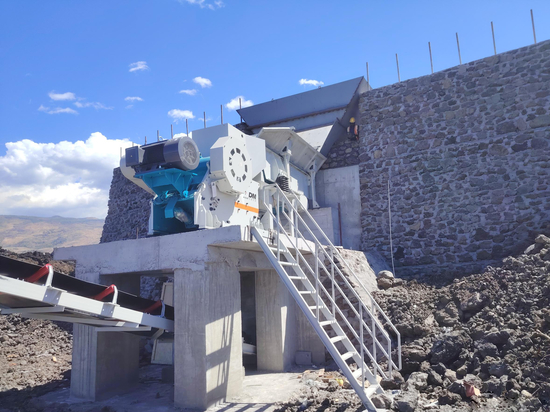
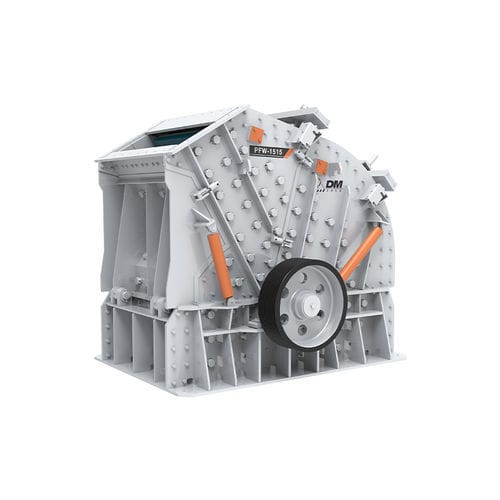
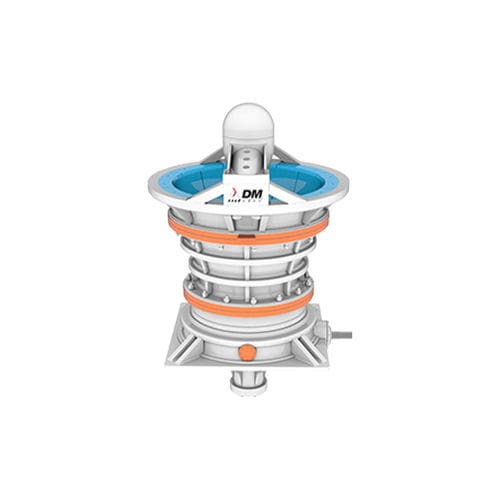
As a leading enterprise in the field of crushing equipment, Dongmeng Global provides high-quality equipment and overall solutions for construction waste recycling. Our mobile crushers and fixed crushing and screening equipment are widely used in various on-site construction waste treatment projects. With efficient crushing performance and stable operation, they help the industry efficiently realize "turning waste into treasure". For more equipment and application solutions, please visit the official website: [https://dongmeng-global.com/].
The scientific disposal of construction waste is not only an inevitable requirement for environmental protection, but also a core driving force for the development of the circular economy. Through the technological upgrading of crushing equipment, policy guidance and industrial coordination, we can efficiently convert construction waste into renewable resources, providing strong support for the sustainable development of global cities.