#Industry News
How a Wireless Lubrication Concept Transformed Production at Fibria
In an environment where thousands of lubrication points are dispersed throughout a sprawling industrial facility, it is not physical strength but smart, automated solutions that ensure equipment operates safely, efficiently, and with minimal downtime
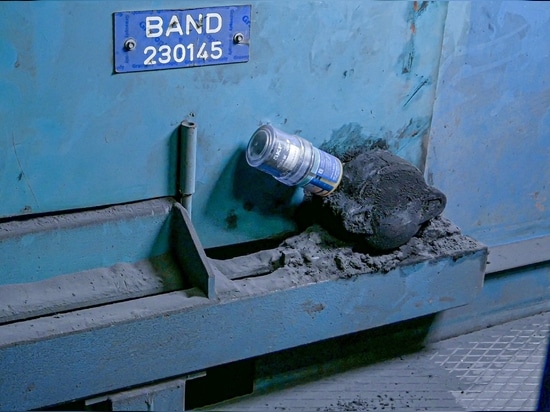
Suzano, one of the world’s largest producers of eucalyptus pulp, faced a challenge familiar across heavy industry: an enormous number of lubrication points spread throughout a vast plant, all of which needed to be serviced regularly and safely. For years, this was done manually — a labor‑intensive, risky, and often imprecise process. Many lubrication points were located high above ground, hidden inside machinery, or positioned dangerously close to rotating shafts. Every maintenance task carried the potential for injury, delays, and the constant risk of missing a lubrication point.
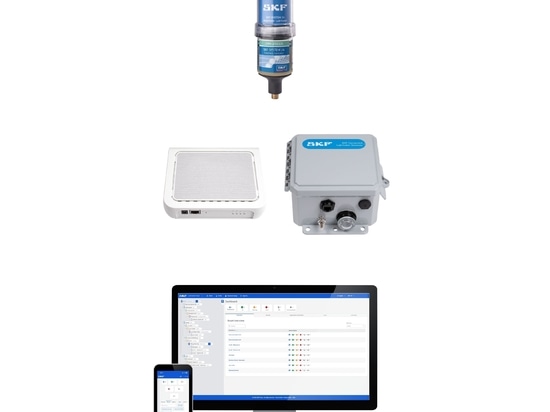
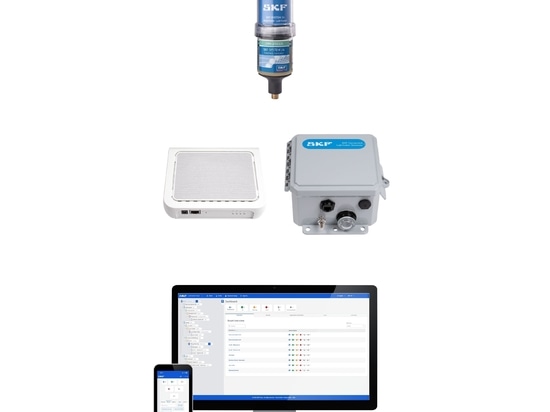
Everything changed with the introduction of SKF’s new TLDD system.
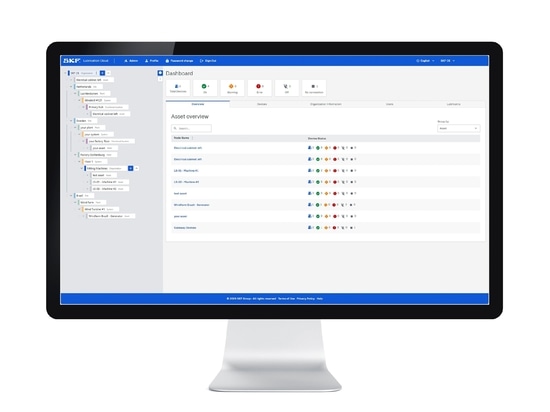
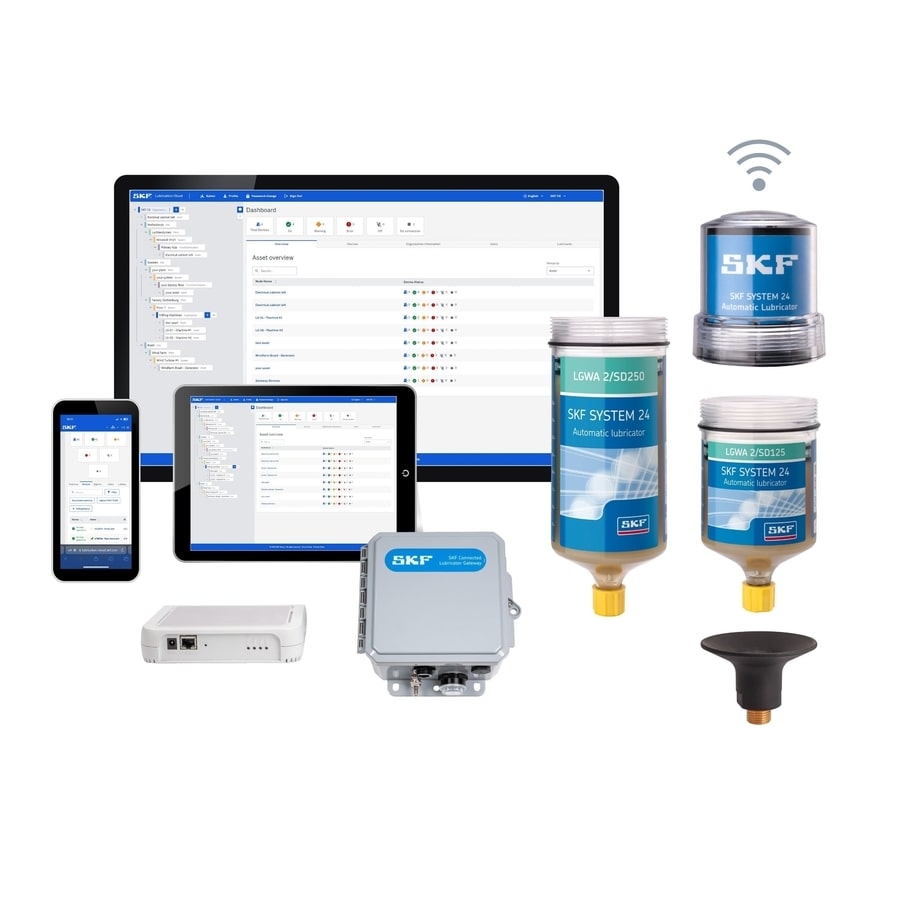
The connected single‑point lubricator is monitored and controlled through a web‑based dashboard. Instead of walking the entire plant to check each lubricator individually, the maintenance team now sees immediately which units are active, how much lubricant remains, and where a cartridge needs to be replaced. Blocked lines, empty cartridges, or unusual consumption patterns trigger immediate alerts.
For the Aracruz plant, this marked a true turning point.
Continuous, automated lubrication keeps bearings clean, reduces contamination, and significantly increases equipment reliability. At the same time, worker safety improves because technicians no longer need to approach hazardous moving machinery. And thanks to precise dosing, lubricant consumption and environmental impact are reduced — a key element in Suzano’s ambitious sustainability strategy.
The positive results led Suzano to extend its service agreement with SKF for another five years. For both companies, it’s clear that the combination of modern sensor technology, digital monitoring, and automated lubrication is more than a technical upgrade — it’s a strategic step toward safer, more efficient, and more sustainable production.