#Industry News
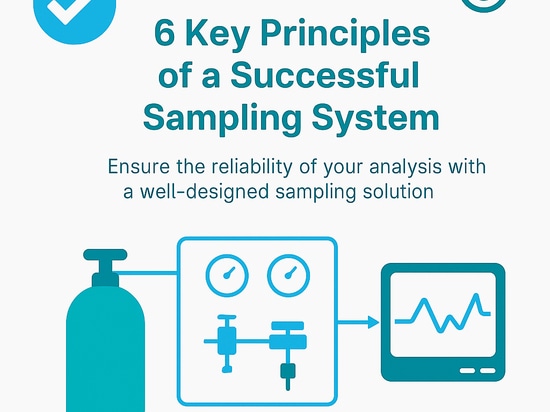
The 6 principles of a sampling system
Sampling, a key stage for analysis result reliability
In gas or liquid analysis, sampling is the key stage in determining the reliability of results. All too often underestimated, it is nevertheless the guarantee of usable, reproducible data that complies with process or regulatory requirements.
At SOCLEMA, our approach is based on 6 fundamental principles to guarantee high-performance, sustainable and safe sampling.
Principle #1: Sample compatibility
The sample must be compatible with the analyzer.
A compatible sample does not harm the analyzer and provides reliable results.
Principle #2: Response time
A quickly analyzed sample is a useful measure.
Keep transfer times short and flow rates optimized to reflect real-time process conditions.
Principle #3: Sample representativeness
A representative sample reflects the real composition at the sampling point.
Position the sampling probe correctly, avoid phase separation and contamination.
Principle #4: Reliability
A reliable system provides consistent, accurate analysis over time.
Use quality components, robust design and plan for easy maintenance.
Principle #5: Profitability
A good sampling system optimizes costs over its lifetime.
Minimize total costs: installation, operation and downtime
Principle #6: Safety
No compromise on safety. A safe system adds no additional risk to people, equipment or the environment.
Make sure the system is leak-tight, ATEX-compliant and has safe operation procedures.
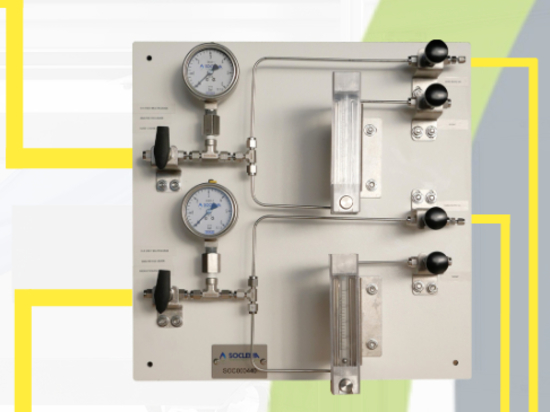
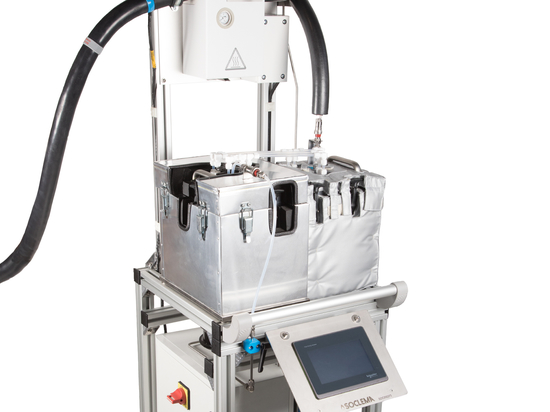
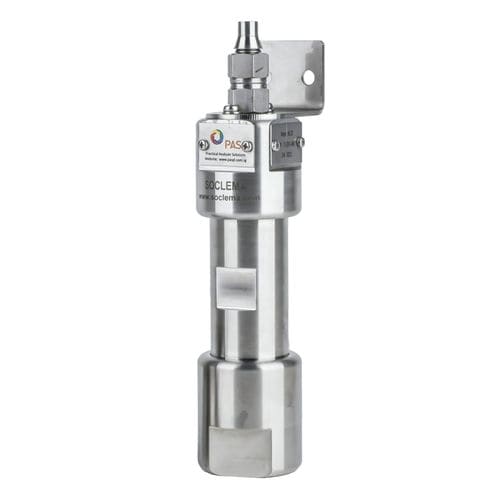
These 6 principles guide all our sampling solutions at SOCLEMA.
Natural gas, biomethane, syngas, hydrogen,CO2, chemical liquids: each project deserves a tailor-made design.
Need advice or a study? Let's talk!