#Product Trends
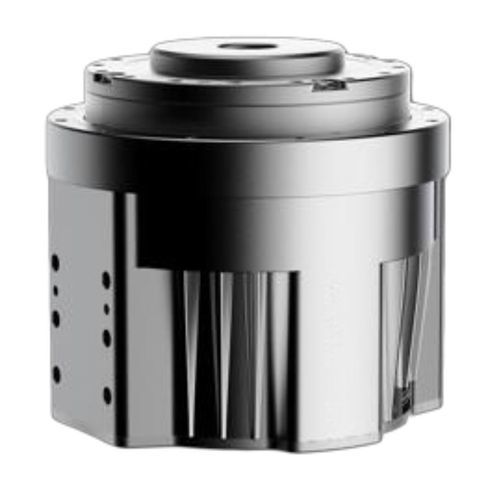
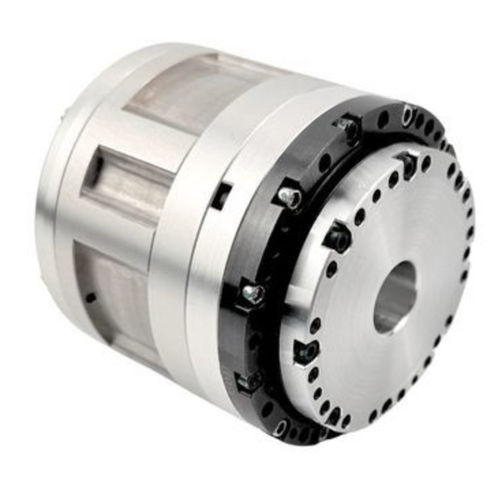
Humanoid Joint Motor: A System-Level Solution for Different Robot Joint Requirements
Humanoid joint motor design should focus on joint-specific system-level optimization, balancing torque density, precision, speed, backdrivability, thermal performance, control response, weight, and integration rather than simply maximizing motor
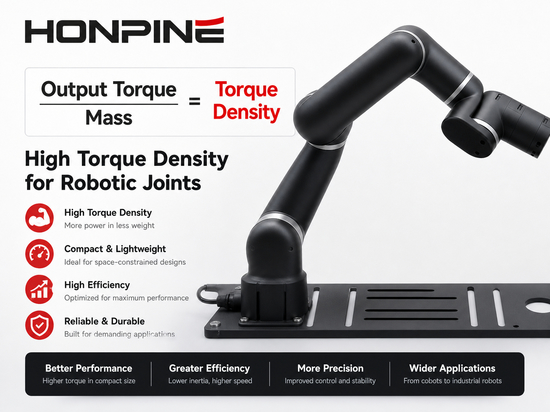
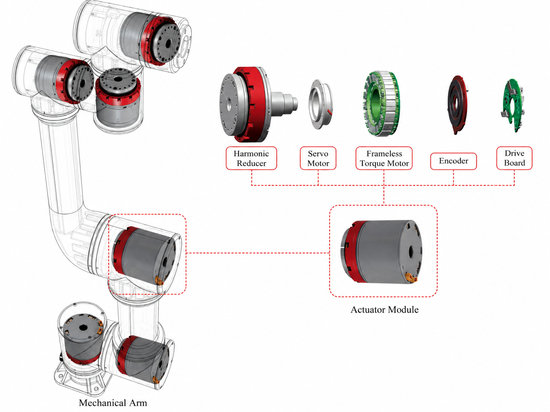
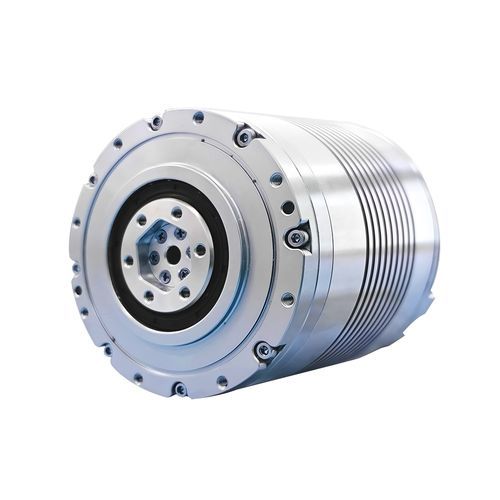
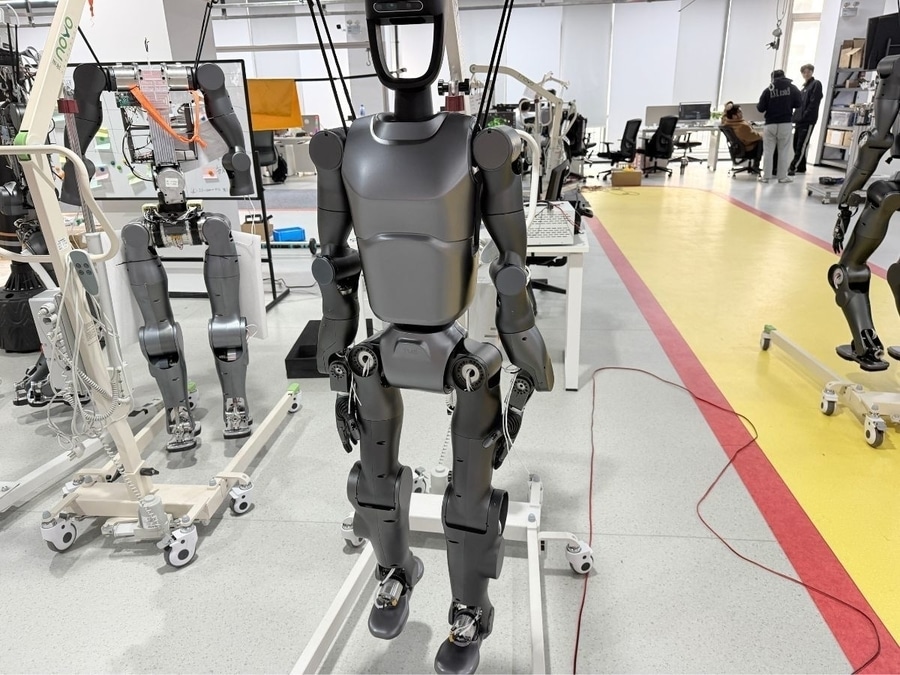
The article explains that a high-performance humanoid joint motor is more than a powerful electric motor—it is a complete motion system combining the motor, reducer, encoder, driver, brake, sensors, bearings, and housing. Different joints such as hips, knees, shoulders, wrists, and fingers have different requirements, so the actuator should be designed around the specific joint rather than using one oversized architecture throughout the robot. Solutions such as high-torque-density harmonic actuators, QDD architectures, integrated joint modules, hollow-shaft designs, optimized reduction ratios, and coordinated feedback and thermal management can help achieve the right balance of torque, speed, precision, dynamic response, weight, and reliability.