#Industry News
Transforming Waste into Resources
AI-Powered Waste Sorting Boosts Recycling Efficiency
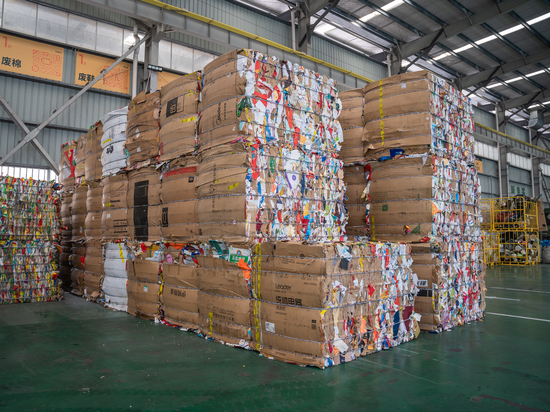
With sustainability and the circular economy becoming global priorities, cities are rapidly shifting from traditional “collect and dispose” waste systems to resource-oriented solid waste management. At the heart of this transition lies the adoption of intelligent waste sorting technologies—innovations that boost efficiency, reduce operational costs, and significantly improve material recovery rates.
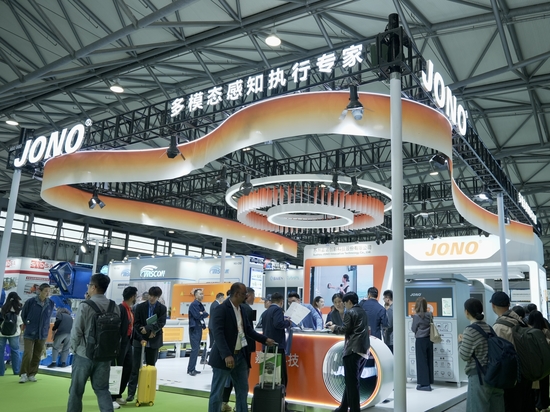
As a technology-driven environmental solutions provider, JONO is driving this industry transformation through advanced sorting systems that enable scalable, high-performance waste-to-resource conversion.
Why Intelligent Waste Sorting Is Essential for Modern Solid Waste Management
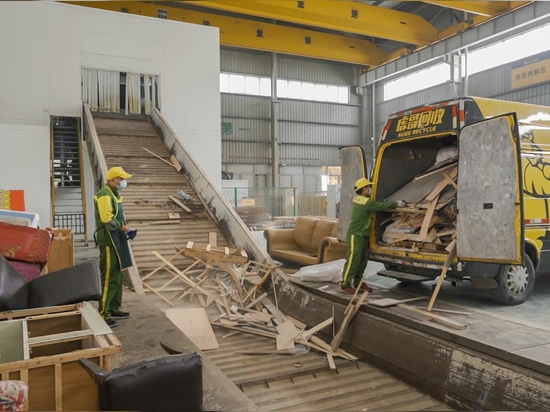
Traditional waste sorting processes rely heavily on manual labor, leading to a series of challenges:
Low sorting accuracy and unstable output quality
High labor intensity and rising operational costs
Occupational health and safety risks
Low recycling rates due to material contamination
As global waste generation continues to rise, waste management facilities increasingly require automated, intelligent, and high-throughput sorting systems to meet sustainability targets while maintaining economic viability.
JONO’s Intelligent Waste Sorting Technologies
JONO delivers a comprehensive portfolio of AI-powered and sensor-based sorting solutions, engineered for a wide range of waste streams including municipal solid waste (MSW), recyclables, construction and demolition waste (C&D), bulky waste, and industrial waste.
(1) AI Vision Sorting Systems (AI + Robotics)
JONO’s intelligent robotic sorting systems integrate:
Deep-learning image recognition
High-speed, high-precision robotic arms
Real-time material classification
Self-learning algorithms for continuous improvement
These technologies enable accurate identification of plastics, paper, metals, and other recyclable materials, resulting in higher recovery rates and improved sorting consistency.
(2) Optical Sorting Technologies
Using advanced material detection sensors such as:
Near-infrared (NIR)
Visible spectrum imaging
Metal detection
3D scanning
JONO’s optical sorters precisely separate materials based on composition, color, and density, ensuring high-purity output fractions and lower downstream contamination.
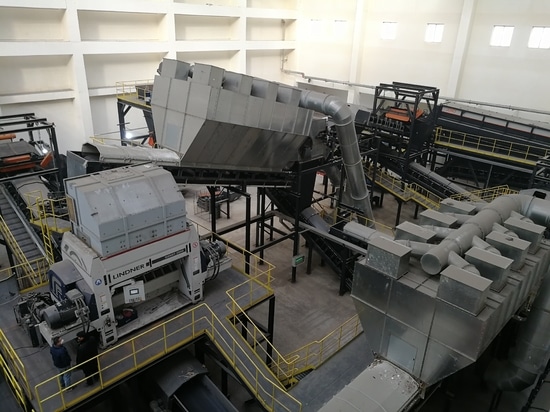
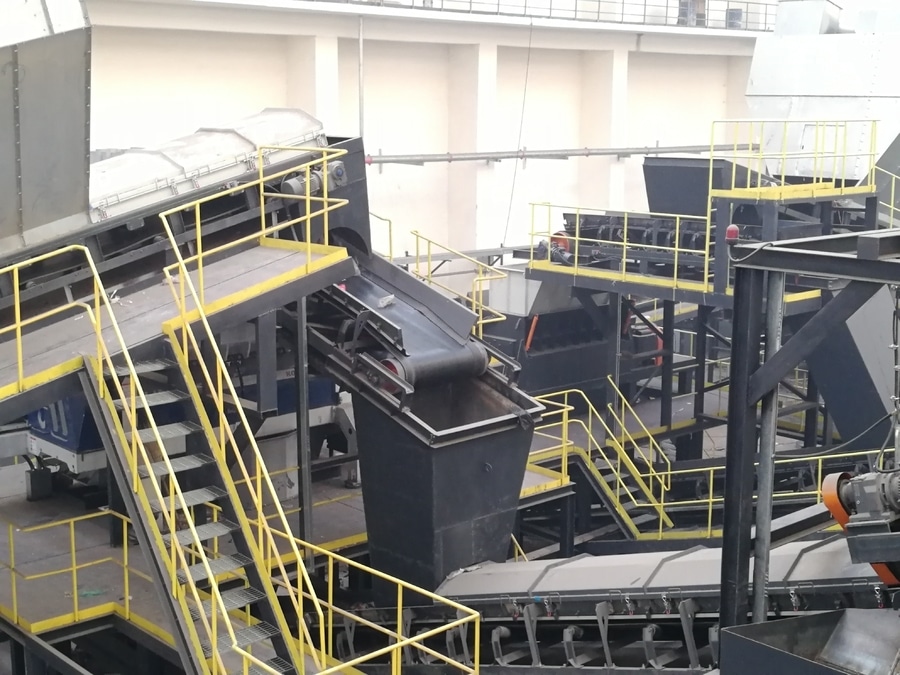
(3) Mechanical Screening & Separation Systems
JONO’s foundational mechanical technologies include:
Trommel screens
Ballistic separators
Air separation systems
Shredders and crushers
Magnetic and eddy current separators
These systems prepare waste materials for efficient downstream sorting and maximize the total recovery potential of the facility.
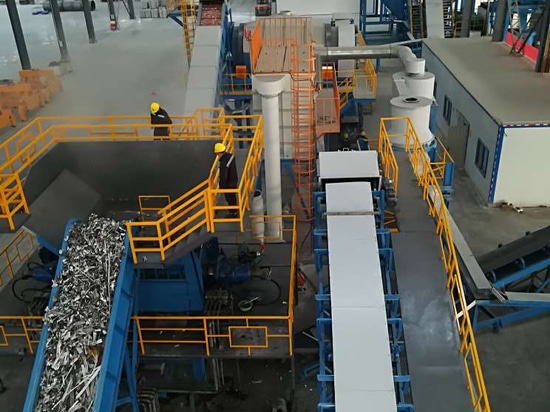
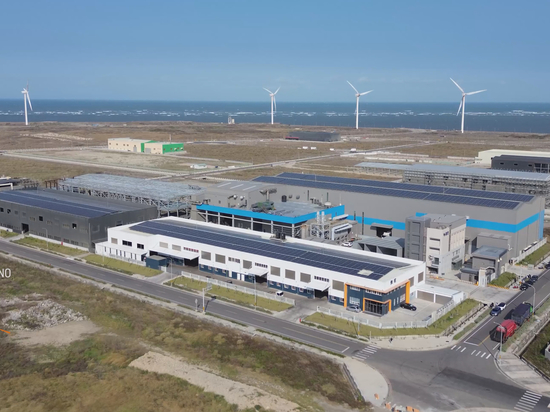
End-to-End Waste Resource Utilization Solutions
JONO goes beyond supplying equipment—offering complete facility engineering and digitalized operational platforms that enable:
Automated plant control and workflow optimization
Real-time monitoring and data analytics
Intelligent dashboards for decision-making
Enhanced energy efficiency and process stability
Maximum material recovery and reduced disposal rates
These integrated solutions transform waste into valuable secondary resources, supporting long-term environmental and economic sustainability.
Sustainability Powered by Technology and Innovation
By improving sorting accuracy and resource recovery, JONO helps waste management operators achieve:
Higher recycling rates and material purity
Lower landfill dependency and waste disposal volumes
Reduced carbon emissions and environmental impact
Cost-effective operations with lower labor requirements
Compliance with global environmental standards and policies
Such advancements are critical for building cleaner cities and accelerating the transition to a circular economy.
Summary
With environmental expectations rising worldwide, intelligent waste sorting technologies will continue to shape the future of the industry. Automation, advanced robotics, AI-powered analytics, and digital plant management will become standard features of modern sorting facilities.