#Product Trends
High Voltage PTC Heaters: Enabling Safer and More Efficient Thermal Management for Next-Generation EVs
Why High Voltage Matters in EV Heating
As electric vehicles (EVs) move toward higher-voltage architectures, thermal management is becoming increasingly important for vehicle efficiency, passenger comfort, and system reliability.
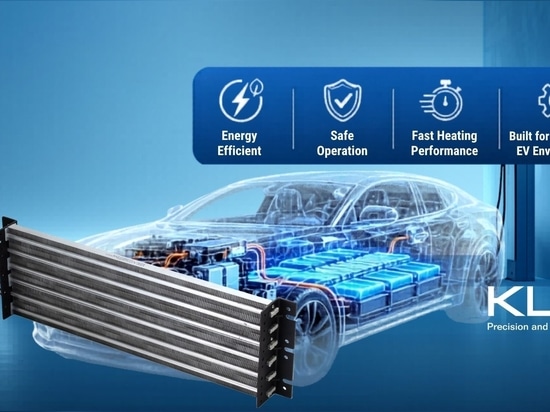
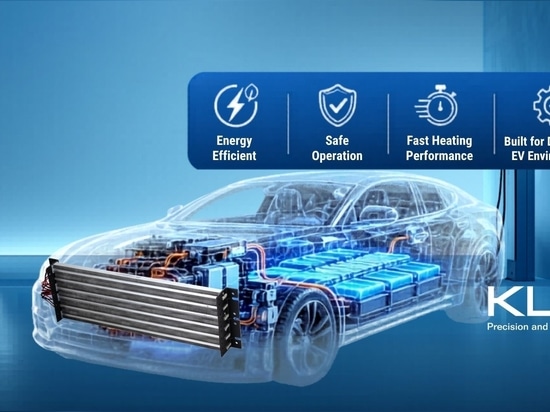
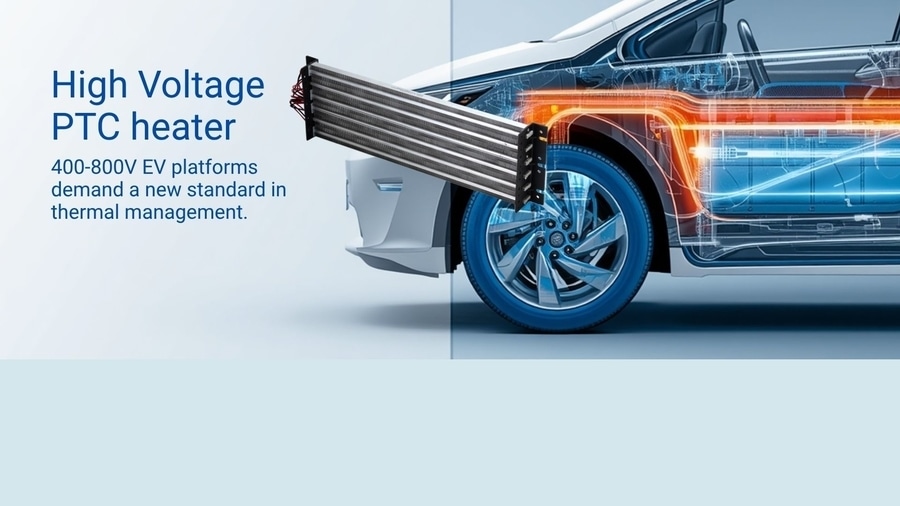
Modern EV platforms commonly operate around 400V or 800V, creating new requirements for electric heating systems used in cabin HVAC, defogging, battery thermal management, and other high-power applications. High Voltage PTC heaters are emerging as a practical heating technology for these applications because they combine high-power heating with the inherent self-regulating characteristics of PTC ceramic materials.
## Why High Voltage Matters in EV Heating
Traditional low-voltage heating solutions can require high current to deliver the power needed for EV thermal management.
Moving to higher system voltages allows the same heating power to be delivered at a lower current, which can help simplify high-power electrical system design.
For EV engineers, however, higher voltage also introduces additional design considerations, including electrical insulation, thermal protection, wiring, connectors, mechanical integration, and regulatory compliance.
This is where High Voltage PTC heater design becomes particularly important.
## How Does a High Voltage PTC Heater Work?
A PTC heater uses Positive Temperature Coefficient (PTC) ceramic elements whose electrical resistance increases as temperature rises.
This creates a self-regulating heating characteristic: as the PTC element becomes hotter, current draw is naturally limited.
Unlike conventional fixed-resistance heating elements, the PTC characteristic can help reduce the risk of overheating and provides an additional layer of thermal control.
For high-voltage applications, the heater structure must also address electrical insulation and system integration requirements.
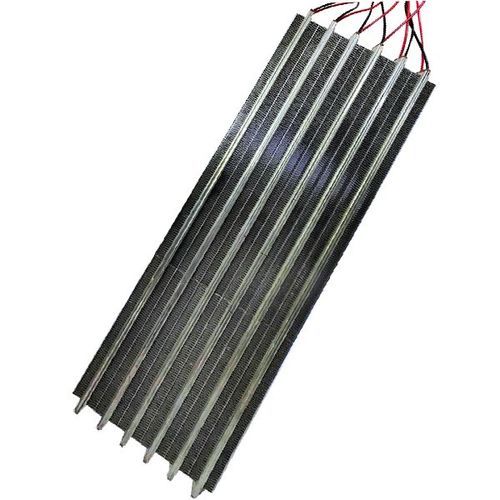
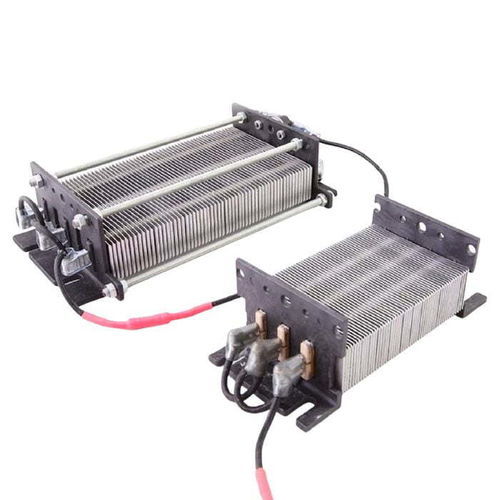
KLC's STW High Voltage PTC Heater series, for example, is designed with UL-standard high-voltage insulation and can be customized for demanding applications.
## Where Are High Voltage PTC Heaters Used?
High Voltage PTC heaters can support several EV and transportation applications, including:
- EV cabin heating
- HVAC air heating
- Defogging and defrosting
- Battery thermal management through air heating
- Electric bus HVAC
- Electric truck heating
- Charging infrastructure
- Industrial and transportation equipment
KLC's EV heating portfolio covers applications from passenger EVs to electric buses and trucks, with typical system ranges including 200–800VDC for electric cars and 350–800VDC for electric buses.
Engineering Considerations for High Voltage PTC Heater Selection
Selecting a High Voltage PTC heater is not simply a matter of choosing the highest power available.
Engineers typically need to evaluate:
1. System Voltage
Determine whether the application operates at 400V, 800V, or another voltage level.
2. Required Heating Power
Heating power must be matched to the vehicle's thermal load and operating conditions.
3. Airflow and Heat Transfer
For air-heating applications, airflow directly affects heat transfer and heater performance.
4. Electrical Insulation
High-voltage live parts require appropriate insulation and protection to support safe system integration.
5. Dimensions and Mounting
The heater must fit within the HVAC module or equipment while maintaining appropriate airflow and thermal performance.
6. Control Strategy
Depending on the application, power may be controlled through staged operation, PWM, or other system-level control strategies.
7. Certification and Environmental Requirements
Automotive applications may require specific certifications, IP protection, vibration resistance, humidity testing, and other validation requirements.
KLC's PTC heater selection process follows a similar engineering approach: voltage and power are considered together with heat transfer, airflow, dimensions, insulation, safety, application, and compliance requirements.
From Standard Components to Customized Thermal Solutions
As EV platforms become more diverse, a standardized heater may not always meet the mechanical, electrical, and thermal requirements of a specific vehicle platform.
High Voltage PTC heaters can therefore be designed around application-specific requirements such as:
Voltage
Power output
Heater dimensions
Housing or frame
Mounting structure
Wiring and connectors
Insulation requirements
Airflow configuration
KLC's STW series supports customized dimensions and modular configurations, with high-voltage models extending to applications up to 999V and high-power configurations depending on heater size and design.
The Next Step in EV Thermal Management
The transition toward higher-voltage EV architectures is changing how engineers approach vehicle thermal systems.
The challenge is no longer simply to generate heat. A modern heating system must deliver the required thermal output while integrating safely with high-voltage electrical architectures, compact HVAC systems, vehicle controls, and increasingly demanding environmental conditions.
High Voltage PTC heaters offer one approach by combining self-regulating PTC technology, high-power heating, flexible mechanical design, and high-voltage insulation in a solution that can be adapted to different EV platforms.
As 400V and 800V architectures continue to expand, high-voltage heating technology will remain an important part of EV thermal management engineering.
Engineering Takeaway
For EV designers, the key question is not simply:
How powerful should the heater be?
It is:
How should voltage, power, airflow, insulation, safety, and mechanical integration work together as one thermal system?
That system-level approach is increasingly important when designing the next generation of EV heating solutions.
About KLC Corporation
KLC Corporation is a Taiwan-based manufacturer specializing in PTC heaters, flexible heaters, and thermal management solutions. With more than 40 years of PTC engineering experience, KLC provides standard and customized heating solutions for automotive, EV, HVAC, industrial, and other applications.