#Industry News
Extraction systems for laser cleaning: Monitoring emissions directly at the process
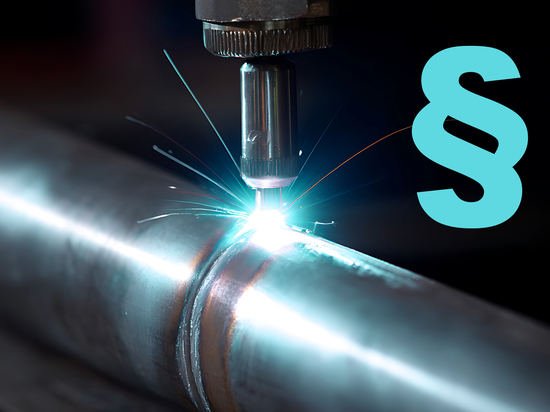
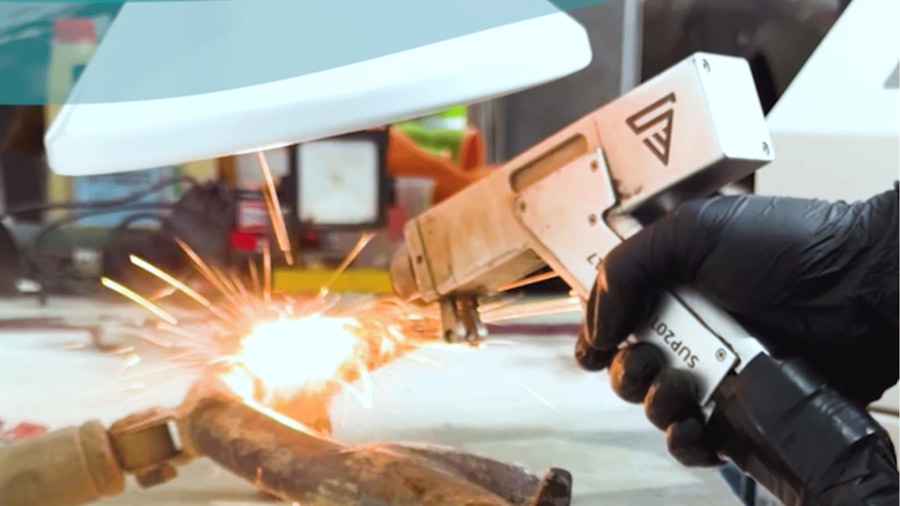
Cleaning metal surfaces produces smoke, fine particles, and, depending on the process, sparks.
Laser cleaning selectively removes rust, paint residues, metal oxides, and other deposits from metal surfaces. The process is used in manufacturing, toolmaking, and surface pretreatment, among other applications. It operates with precision. However, the ablation process also generates emissions that should not be allowed to enter the work area uncontrolled.
When focused laser energy strikes a surface, unwanted layers are loosened, vaporized, or ablated. This process can generate smoke, fine and ultrafine particles, and, depending on the process, sparks. The specific emissions produced depend on the material, the coating, the process parameters, and the laser source. Stainless steel, tool steel, aluminum, painted components, or oxidized surfaces can therefore place different demands on the extraction system.
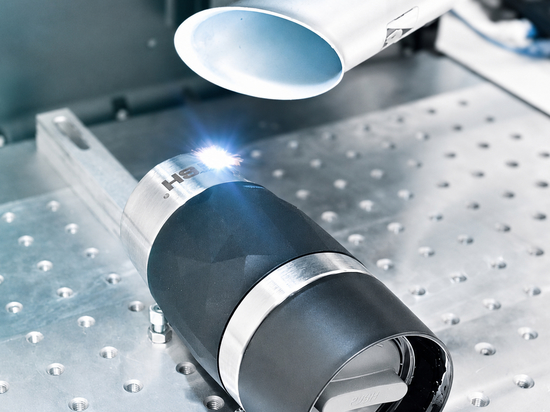
Extraction systems for laser cleaning should be incorporated into process planning at an early stage. It is crucial to capture fumes as close as possible to the source. The sooner smoke and particles are captured, the lower the likelihood that they will spread throughout the work area or settle on machines, components, and surfaces.
A suitable solution consists of more than just the filter and extraction system. The capture element, airflow rate, filter configuration, airflow path, and accessories must also be appropriate for the application. For open or partially open processes, an extraction hood, a suitable capture element, or an application-specific enclosure may be advisable.
In certain applications, sparks or hot particles may also be generated. In such cases, the use of a spark arrester should be considered. Which model is suitable depends on the air flow rate and the specific application. Therefore, a spark arrester should always be considered in conjunction with the filtration and extraction system.
A standard vacuum cleaner is not a suitable solution for professional laser processes. Laser cleaning does not generate ordinary floor debris, but rather airborne emissions directly in the processing area. These must be specifically captured, directed, and filtered.
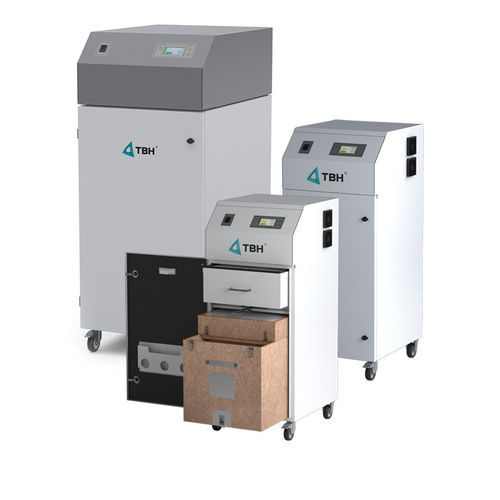
For applications such as laser cleaning on metal surfaces, a TFS 250 with a suitable capture element can be a suitable solution. The key lies in the interplay of collection, airflow management, filter technology, and accessories. The system must not only move air but also capture the resulting emissions as directly as possible at the source and filter them reliably.
Laser cleaning and extraction therefore go hand in hand. Anyone using laser cleaning in an industrial setting should evaluate the specific process individually and plan for extraction from the very beginning.