
#Industry News
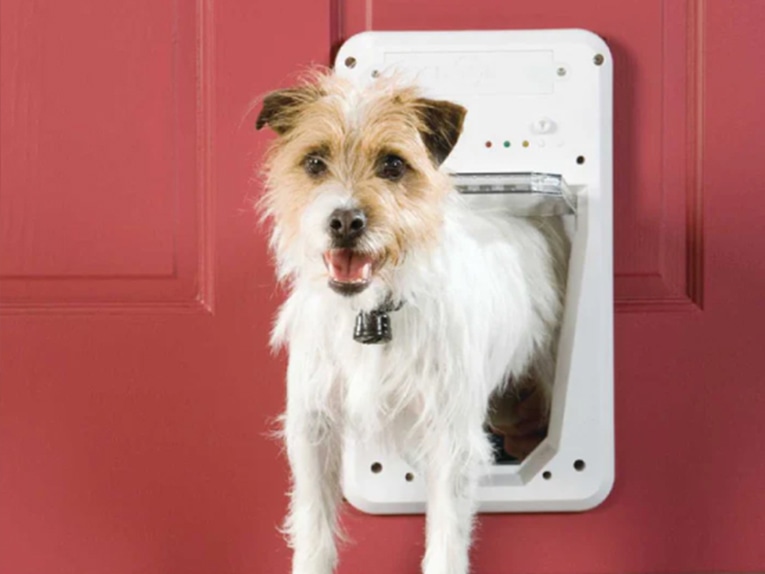
Features of the Automatic Pet Door
How to choose the Automatic Pet Door
Basic Access Control
Smart Physical Barrier Management: The adjustable flap door structure allows pets to freely pass through wall/door barriers while blocking out external wind, rain, dust, and unwanted animals (such as stray cats and small wild animals).
Size-Adaptive Design: Adjustable door opening width (typically 20–45 cm) accommodates size differences from Chihuahuas to Golden Retrievers; dual-layer sealed silicone curtains replace traditional single-layer plastic sheets, enhancing thermal insulation and airtightness.
Identity Recognition and Access Control
Radio Frequency Identification (RFID) Technology: Pets wear dedicated electronic tags (collars or subcutaneous chips), and the reader automatically detects and unlocks the door within a 10-30cm range, preventing neighbouring cats and dogs from ‘tagging along.’
Biometric Recognition Upgrade: An AI visual system captures facial features (such as a cat's nose pattern or a dog's ear shape) or gait analysis via a camera, achieving 99.2% recognition accuracy (as per SurePetcare data); some high-end models support the creation of multiple pet profiles, allowing each pet to have its own designated access time.
Environmental Isolation and Energy Optimisation
Dynamic Airtightness Enhancement: The magnetic door curtain forms a negative pressure seal when closed, combined with a bottom gravity curtain design to reduce air exchange. Tests show a 68% reduction in indoor heat loss compared to traditional door openings (ENERGY STAR certified data).
Smart Temperature Control Integration: The door automatically locks when outdoor temperatures drop below 5°C or rise above 35°C to prevent extreme weather from affecting indoor temperature control.
Safety Protection Mechanism
Anti-pinch Slow-Close System: A hydraulic damping device ensures the door curtain descends smoothly at a speed of less than 0.4 m/s, preventing injuries to trailing pets.
Intrusion Alarm Function: When an unauthorised entity forces entry, the system triggers real-time alerts via a buzzer and app notifications. Some models can integrate with home security cameras for instant photo capture.
Industry Status and Pain Points
Identification Reliability Challenges: Dark-haired pets experience a 15% drop in recognition rate in low-light environments (IEEE IoT Journal test data); multiple pets entering or exiting simultaneously can cause system misjudgments.
Energy Management Bottlenecks: AI cameras operating continuously consume an average of 800mAh of power per day, and solar panels in rainy regions have a recharge efficiency of less than 30%.
Installation Adaptability Limitations: Non-standard door thicknesses (e.g., solid wood doors over 5 cm thick) require custom installation brackets, with DIY users experiencing a failure rate as high as 42% (according to Consumer Reports statistics).
Extreme Climate Resistance: -20°C low temperatures cause silicone door curtains to harden and crack, while 50°C high temperatures accelerate circuit board ageing.
Future Evolution Directions
Biometric Technology Upgrades
Multi-modal fusion authentication: Combining subcutaneous microchips (ISO 11784/85 standard), gait pressure sensor pads, and voiceprint analysis for triple verification, reducing the false recognition rate to below 0.01%.
Edge computing localisation: AI models on the edge side equipped with NPU chips can complete real-time biometric comparisons without cloud transmission, reducing response latency to within 80 milliseconds.
Energy revolution and new materials
Self-Generating Power Technology Application: Piezoelectric ceramic modules convert the kinetic energy from door curtain movement into electricity (0.3Wh per cycle), combined with perovskite solar film to achieve energy self-sufficiency.
Smart Shape-Changing Materials: Shape memory alloy (SMA) door frames automatically expand to fill installation gaps; phase change material (PCM) coatings maintain elasticity within the -30°C to 60°C temperature range.
Spatial Interaction Intelligence
3D Dynamic Obstacle Avoidance System: Millimetre-wave radar detects a 1.5-metre fan-shaped area in front of the door, automatically locking the door when children crawl or delivery personnel pass by.
AR Virtual Training Guidance: LED projections on the door frame display reward-based light spots, combined with vibration alerts from a smart collar, to guide pets in establishing proper passage habits.
Odour Mark Recognition: A miniature gas chromatograph analyses pet pheromones to identify physiological changes such as oestrus or stress states.
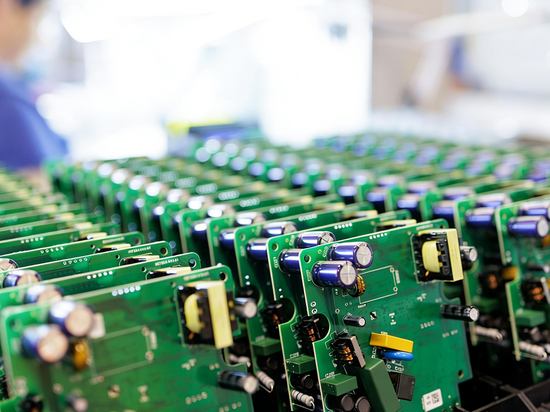
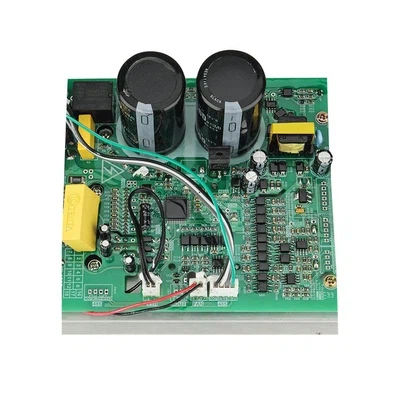
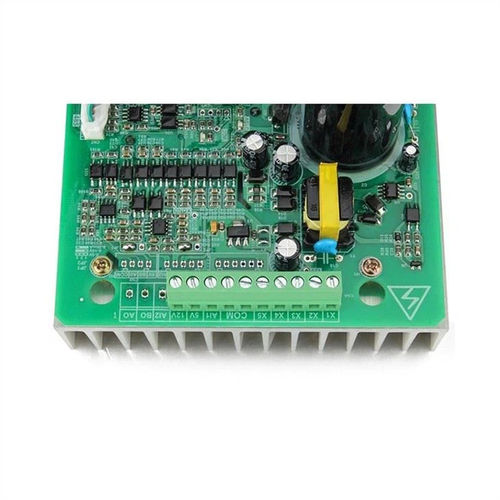
Tecoo collaborates with multiple pet product manufacturers and offers PCBA EMS Manufacturing and One-Stop PCB Assembly Services for products such as smart feeders, smart water dispensers, smart pet trackers, and smart pet automatic doors. The products manufactured include RFID chip recognition, battery-powered electronic identification doors, smart IoT doors with WiFi connectivity, AI vision, and multi-sensor fusion, as well as high-end ecological doors integrating health monitoring and automatic feeding functionality.