
#Industry News
What’s the Difference Between PWB and PCB? A Detailed Guide
Choosing the Right Board for Your Electronics Project
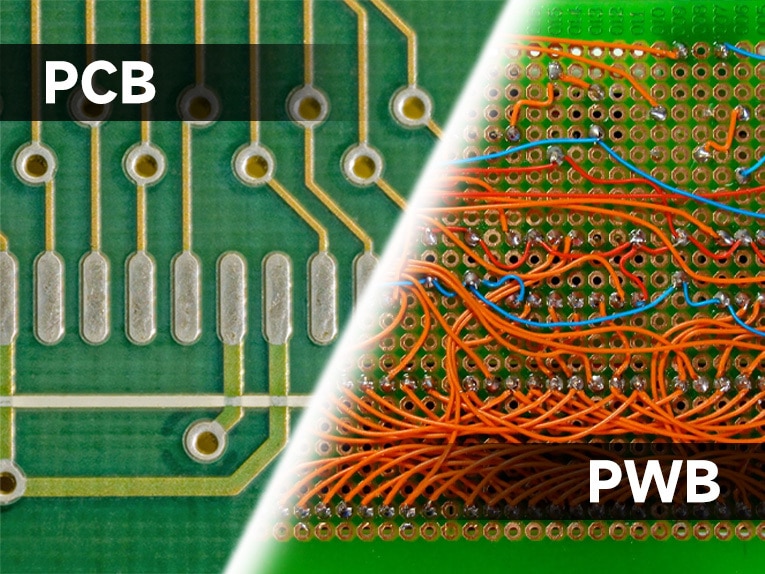
When reading technical documentation about circuit boards, you may have come across the abbreviations PWB and PCB and wondered if they mean the same thing. While they look alike, the two terms differ significantly in manufacturing standards, functions, and reliability.
With over 22 years of experience in electronics manufacturing, TECOO presents this guide to help you clearly distinguish between them.
1. Core Definitions
PWB (Printed Wiring Board)
A PWB is a bare substrate designed solely to provide electrical pathways between components. It supports and connects electronic parts but does not integrate circuit elements like resistors or capacitors.
Key Features:
Primarily used in earlier-generation devices with simple circuit layouts
Contains only conductive traces (copper foil) and pads, without advanced circuitry
Rarely used today, except in certain traditional industries such as in Japan
PCB (Printed Circuit Board)
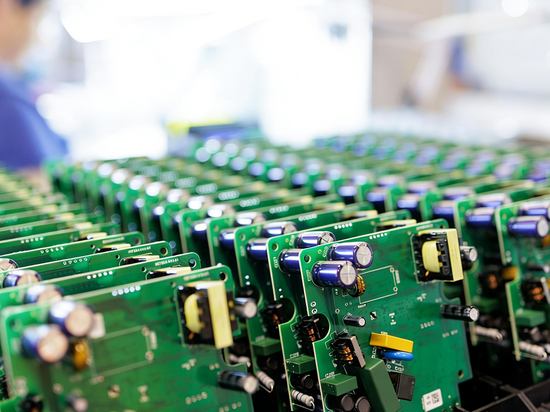
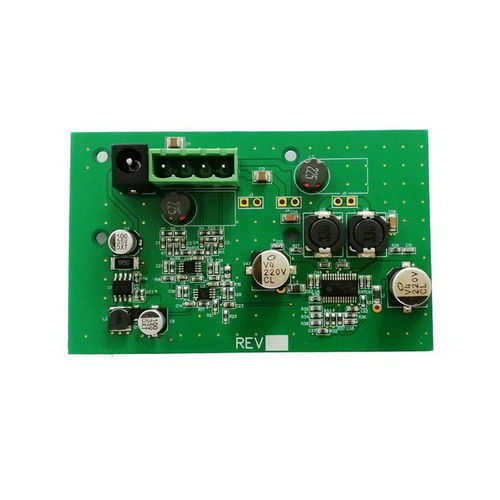
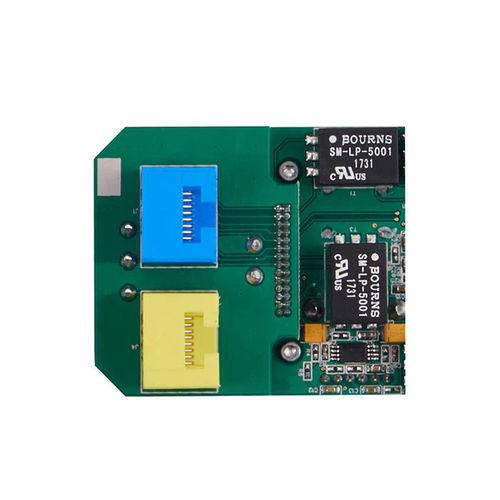
A PCB represents modern circuit board technology. In addition to providing electrical connections, it incorporates complete circuit functionality, supporting advanced operations like signal processing and power management.
Key Features:
Can employ multilayer structures to house high-density components such as ICs, resistors, and capacitors
Handles complex designs, including high-frequency and high-speed digital applications (e.g., 5G, AI hardware)
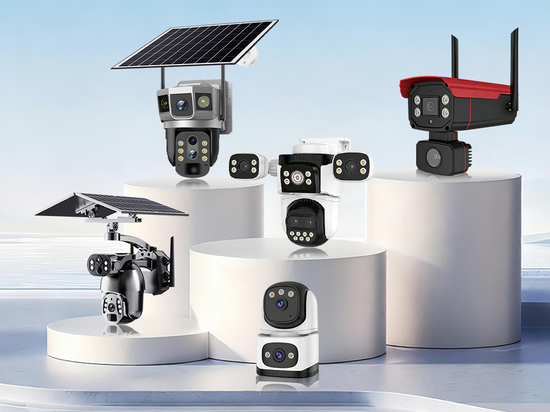
Serves as the backbone of modern electronics like smartphones, computers, and automotive systems
In Short:
✅ PWB = “Blank wiring board” — only the conductive layout
✅ PCB = “Fully functional circuit board” — wiring plus components
2. Historical Development
Mid-20th Century:
PWBs were widely used for basic electrical connections in devices such as early radios and televisions.
Late 20th Century to Present:
The rise of integrated circuits (ICs) and microelectronics increased the need for more functionality and higher integration, leading to the dominance of PCBs.
Current Use:
PWBs: Limited to niche or legacy applications (e.g., simple power distribution boards)
PCBs: The global standard, spanning single/double-sided boards, multilayer boards, HDI, and flexible circuits
3. Why PCBs Dominate Today
Technological Demands: Modern electronics require higher integration and performance beyond what PWBs can deliver
Expanded Functionality: PCBs allow embedded components such as resistors and RF antennas
Global Standardization: “PCB” has become the universally accepted industry term
4. Conclusion — Are They the Same?
Technically:
PWB can be considered the predecessor of today’s PCB technology.
In Industry Practice:
PCB is the correct term for almost all modern applications
PWB appears mainly in legacy systems or basic wiring boards
For modern electronics — from smart hardware to automotive systems — PCB is the right term. PWB is now a niche designation, mostly encountered in maintenance or simple connection boards.
TECOO delivers professional PCB manufacturing and PCBA assembly solutions to accelerate product development — from prototypes to mass production. Contact us today to get started!