
#Industry News
SMT or THT? The Engineer's Guide to PCB Technology Selection
Understanding Strengths, Limitations, and When to Use Hybrid Approaches
The choice between Surface Mount Technology (SMT) and Through-Hole Technology (THT) is a foundational decision in electronics design—one that impacts performance, reliability, and manufacturability. While SMT dominates modern miniaturized electronics, THT remains indispensable for high-power and ruggedized applications. This guide breaks down the technical and practical considerations to help engineers and designers make informed decisions—and explores why hybrid solutions are increasingly becoming the gold standard for advanced PCB assembly.
Core Differences: SMT vs. THT at a Glance
Through-Hole Technology (THT)
Best For:
1. High mechanical stress environments
2. High-voltage or high-current applications
3. Prototyping and scenarios requiring manual rework
Limitations:
1. Lower component density
2. Slower production throughput
3. Not suitable for high-frequency designs
Surface Mount Technology (SMT)
Best For:
1. High-density, high-speed designs
2. Automated, high-volume production
3. Miniaturized or portable devices
Limitations:
1. Less robust under mechanical stress
2. Requires specialized equipment for inspection/rework
3. Thermal management challenges
Key Decision Factors
Space Efficiency
SMT offers excellent space utilization, supporting advanced miniaturization. THT requires more board area due to through-hole spacing demands.
Mechanical Strength
THT provides superior mechanical robustness with leads anchored through the board. SMT solder joints are more vulnerable to stress and vibration.
High-Frequency Performance
SMT achieves optimal high-frequency performance with shorter leads minimizing parasitic effects. THT introduces parasitic inductance and capacitance.
Automation Compatibility
SMT is ideal for fully automated high-speed production lines. THT often requires manual intervention or specialized insertion equipment.
Rework Flexibility
THT allows straightforward manual rework thanks to accessible solder joints. SMT requires specialized tools and expertise for rework.
When to Consider a Hybrid Approach
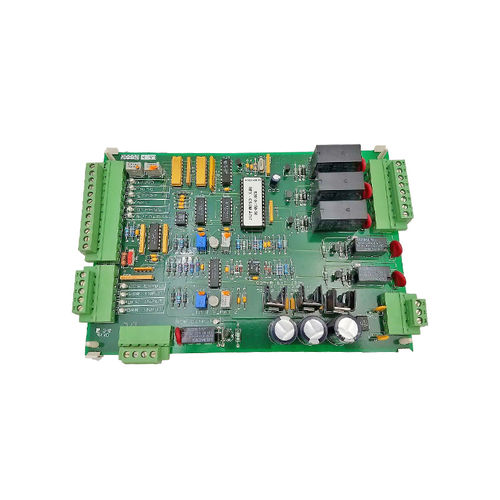
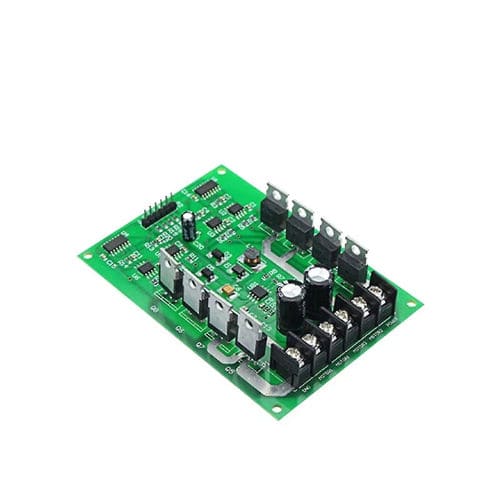
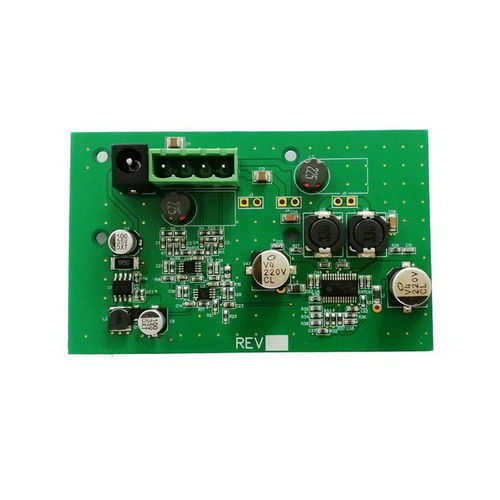
Many of today's advanced electronic products—from automotive control units to medical devices—demand the strengths of both technologies. A hybrid (SMT+THT) approach allows designers to place sensitive signal-path components using SMT while retaining THT for connectors, power components, or parts subject to vibration. This strategy optimizes performance without compromising reliability.
At TECOO, we regularly deploy hybrid assembly for applications requiring enhanced thermal and mechanical durability, mixed signal and power integrity requirements, and compliance with automotive or industrial standards.
Future-Forward: Where PCB Technology Is Headed
SMT continues advancing toward ultra-fine-pitch components and advanced materials for flexible PCBs. THT is evolving with automated insertion for odd-form components and improved thermal resilience materials. The most significant trends, however, lie in hybrid approaches: embedded components, system-in-package designs, and additive-subtractive hybrid processes that redefine integration possibilities.
Conclusion: Making the Right Choice
There's no one-size-fits-all answer to the SMT versus THT question. Successful design relies on aligning technology selection with product requirements. Use SMT for high complexity, space-constrained, or high-volume applications. Choose THT when mechanical robustness, power handling, or ease of prototyping is critical. Opt for a hybrid strategy when the application demands the best of both worlds.
At TECOO, we help our clients navigate these decisions with precision—ensuring performance, reliability, and manufacturability are balanced from design to delivery.
Ready to Optimize Your PCB Technology Strategy?
Connect with our engineering team to discuss your project's requirements—and let's build something better, together.
Contact TECOO today for a design consultation or project review.