#Product Trends
Energy Savings with Advanced Material Drying Solutions
How Optimized Drying Technology Reduces Waste, Cuts Costs, and Improves Processing Efficiency
Why Material Drying Efficiency Matters
Efficient material drying is a key element in plastics processing. Improperly dried materials can cause quality defects, reduce throughput, and lead to costly reworking or scraping of material. But beyond product integrity, drying processes are also some of the most energy-intensive stages in the production line. As energy prices rise and sustainability expectations increase, optimizing this function becomes an operational and strategic priority. Efficiency in drying isn’t just about performance, it’s about staying competitive in a resource-conscious market.
How Advanced Dryers Reduce Energy Consumption
Energy-efficient dryers achieve significant savings by targeting the root causes of energy waste:
Outdated heating methods:
Older heating technologies often have poor thermal efficiency, meaning more energy is required to achieve the same drying effect. Upgrading to modern, precise heating systems reduces heat loss and lowers operating costs.
Uncontrolled airflow
Air that is not properly managed can cause excessive heat loss and uneven drying. Implementing controlled airflow ensures that heated air is used efficiently and consistently across the drying process.
Lack of process feedback Without real-time monitoring and feedback systems, dryers can run longer or hotter than necessary. Feedback loops allow the system to adjust automatically, minimizing wasted energy while maintaining quality.
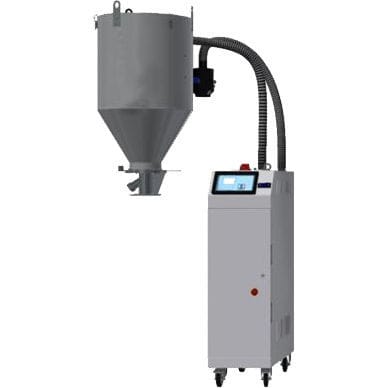
Modern systems monitor real-time conditions to adjust energy input only as needed, avoiding the inefficiencies of older models. TSM’s approach emphasizes intelligent automation and precise control, which are key for keeping drying conditions optimized without unnecessary energy use. By combining material handling expertise with smart control strategies, energy use can be dramatically reduced without compromising throughput or quality.
Key Technologies Driving Energy Savings
A range of innovations now support smarter drying. Closed-loop control systems, for example, ensure temperature and dew point (the temperature to which air must be cooled for water vapor to condense into liquid water, resulting in dew or fog), are constantly regulated based on real-time sensor feedback. Heat recovery systems recirculate warm air instead of wasting it. And moisture load-based control algorithms prevent over-drying, which not only wastes energy but can degrade materials. At TSM, these principles are embedded across system design. From intuitive operator interfaces to integration-ready PLC controls, enabling users to monitor performance and efficiency in real time across multiple systems.
The Impact of Smarter Drying
Investing in more efficient drying solutions offers an easily visible return. Reduced energy consumption leads to lower operating costs, especially in facilities running 24/7. But the benefits extend beyond utility bills. Smart drying improves consistency in material processing, leading to fewer interruptions, less downtime, and reduced scrap rates, all of which impact bottom-line performance. In a sector where margins are tight and competition is fierce, even modest improvements in energy efficiency can translate into significant savings over time.
Smart Integration with Existing Processing Lines
A common concern when upgrading equipment is the potential disruption to existing workflows. TSM addresses this by offering solutions that are designed for easy integration, whether into brand-new facilities or existing processing lines. Compact footprints, modular components, and universal control systems make it possible to retrofit drying systems with minimal downtime. This approach helps processors future-proof their operations while keeping capital investment in check.
Sustainability Benefits
Energy efficiency isn’t just a cost-saving measure, it’s a sustainability driver. Advanced drying systems support processors in meeting their environmental goals by cutting emissions tied to electricity or gas consumption. For companies working toward ISO 50001, carbon reduction targets, or broader ESG initiatives, efficient dryers are a practical, measurable step forward. TSM’s solutions are built with these goals in mind, helping processors balance productivity with environmental responsibility.
The TSM Approach to Smarter Drying Solutions
TSM takes a holistic view of drying, seeing it not as an isolated process, but as part of an intelligent, connected system. Their controls-first mindset ensures that drying solutions work in sync with the rest of the line, providing centralised control, data visibility, and process optimization. Whether it’s through advanced blender integration, remote monitoring capabilities, or plug-and-play compatibility, TSM’s drying systems empower users to achieve high performance with low energy input.
A Strategic Shift Toward Efficiency
The drive for energy efficiency in plastics processing is no longer a nice-to-have, it’s a necessity. As manufacturers work to cut costs, reduce environmental impact, and build more resilient operations, advanced material drying solutions stand out as one of the most immediate areas for measurable improvement. With the right technology partner, energy-efficient drying becomes more than a technical upgrade, it becomes part of a broader strategy to strengthen competitiveness, support sustainability goals, and prepare for the future of plastics manufacturing.
Start your shift toward smarter energy use today.
Discover how TSM’s advanced drying and material handling solutions can cut energy costs, reduce emissions, and integrate seamlessly into your existing lines.