
#Industry News
Product Transparency: How the Label Becomes an Information Tool
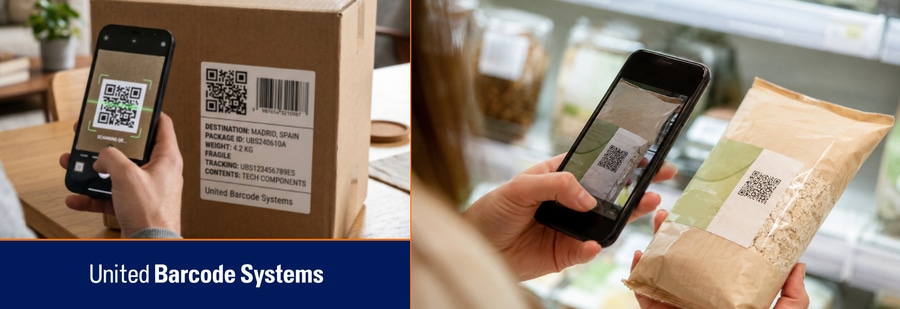
The label has become a point of connection between the physical product and digital information. 2D codes make it possible to expand the data available to consumers and distributors, strengthening traceability, trust, and transparency throughout the
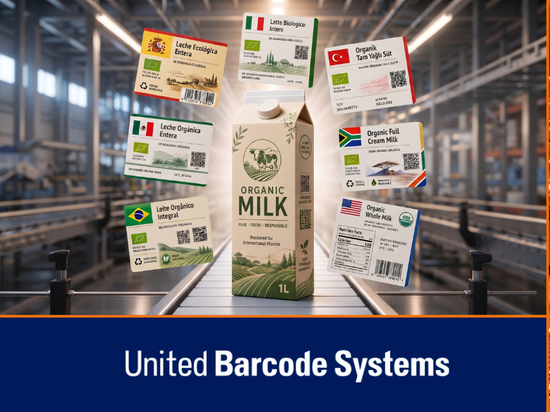
The demand for clear and accessible information is transforming the way brands communicate the value of their products. In this context, smart labels and 2D codes make it possible to connect the physical product with additional data about origin, composition, traceability, and sustainability.
More and more consumers and distributors expect to access accurate information before, during, and after the purchase. Including mandatory information on the packaging is no longer enough: the label is becoming a key point of contact for providing additional information, building trust, and improving the user experience.
This evolution has a direct impact on industrial labeling and coding processes. For the information to be useful, it must be correctly linked to the product, the batch, and the actual production data. An incorrect, unreadable, or disconnected code can affect traceability and make it difficult to access the information demanded by the market.
QR Codes, Data Matrix codes, and other 2D codes make it possible to include more information in less space and facilitate digital access to data such as product origin, instructions for use, environmental information, composition, certificates, or recycling recommendations. This capability makes them a strategic tool for moving toward more transparent and connected packaging
However, to take full advantage of their potential, it is necessary to have systems capable of printing high-quality codes, even on demanding or multi-product production lines. Marking accuracy, code readability, and proper data management are essential factors in ensuring that information reaches consumers and the supply chain reliably.
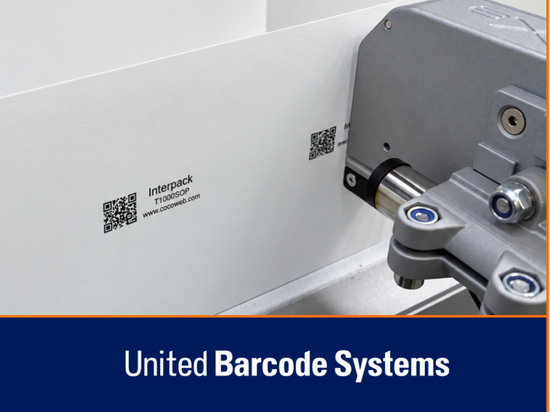
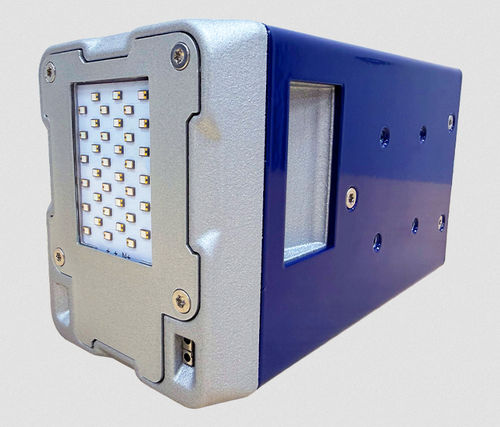
At United Barcode Systems, we develop industrial labeling, coding, and software solutions designed to meet these new requirements. Equipment such as the APLINK Serie enables high-resolution direct printing on different surfaces, while the APL 35S by United Barcode Systems automates the printing and application of labels with variable information on secondary packaging.
In addition, tools such as UBS DESIGNER and UBS LABMAN facilitate the design, management, and centralization of messages and data, reducing manual errors and ensuring the consistency of the information applied at every stage of the process.
Product transparency no longer depends solely on label design, but also on the ability to connect data, codes, and industrial processes. Integrating labeling and coding solutions designed to manage variable information makes it possible to improve traceability, strengthen consumer trust, and adapt the production line to new market requirements.
Contact our team to discover how to improve product transparency through labeling, coding, and data management solutions adapted to your production line.