
#Industry News
Direct Printing on Cases: Key Factors for Ensuring Print Quality
The quality of direct printing on cardboard depends not only on the technology used, but also on production line conditions. Proper case positioning, conveyor stability, and speed synchronization are essential to achieving clear, accurate, and readab
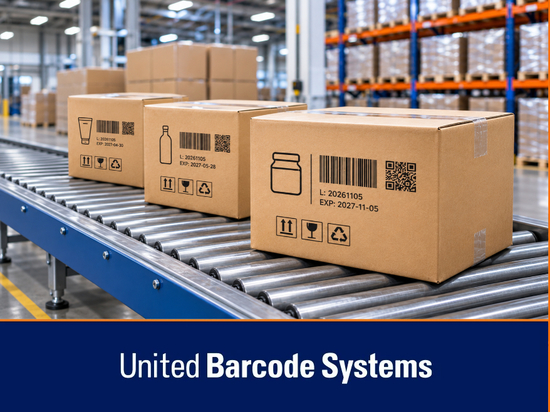
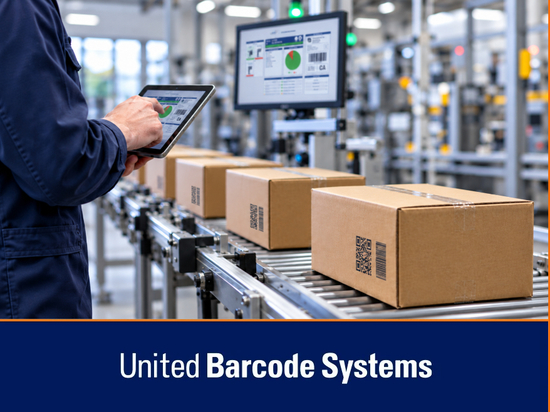
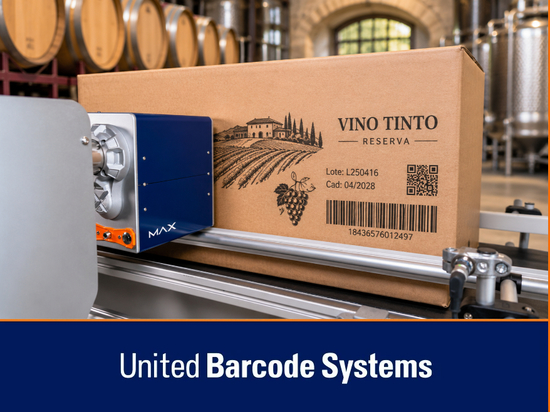
Direct printing on cardboard cases makes it possible to print text, logos, product references, and barcodes or 2D codes directly on the packaging, facilitating product identification and traceability. However, achieving consistent results requires attention to mechanical factors that can directly affect the definition of the printed message.
One of the key factors is case guidance and positioning. To maintain consistent print quality, each unit must pass through the printing area along a stable and repeatable path. When cases arrive tilted or misaligned relative to the printhead, distortions, misaligned messages, or loss of definition may occur, affecting code readability.
The distance between the printhead and the surface also plays an important role. Although some systems allow printing at greater distances, this does not necessarily guarantee better quality. Excessive distance can increase the influence of air currents and positioning variations on ink droplets. Therefore, determining the optimal printing distance based on the characteristics of each application is essential.
Another critical factor is conveyor system stability. Both belt conveyors and roller conveyors can be used for direct printing applications, provided that cases move uniformly. Vibrations or slight vertical movements during transport can change the product's position relative to the printhead and affect print quality.
In addition, the actual line speed must be properly synchronized with the printing system. When speed variations occur without appropriate compensation, printed messages may appear stretched or compressed. Using devices such as encoders allows printing to adapt to conveyor movement while maintaining the correct proportions of the printed content.
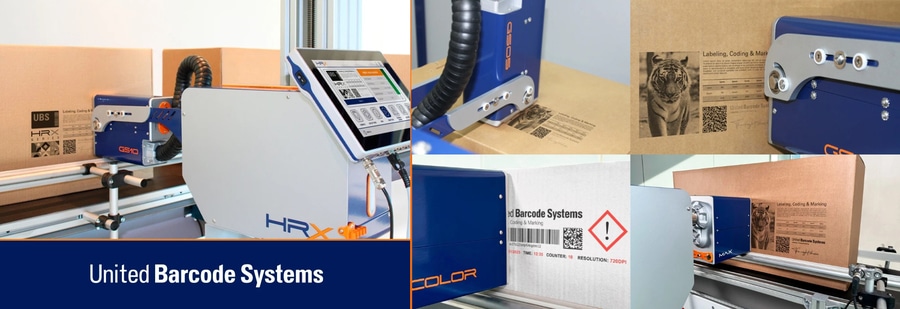
Proper printhead installation is equally important. A rigid and stable mounting system that prevents vibrations from being transmitted from the production line structure helps maintain a constant distance from the cardboard and achieve more accurate results throughout the production process.
These factors are particularly important in applications requiring barcodes, QR Codes, or Data Matrix codes. Unlike text intended for human reading, codes used in automatic identification systems must maintain proper geometry and definition to ensure reliable scanning. Even minor distortions can make product identification more difficult and compromise traceability.
At United Barcode Systems, we develop high-resolution industrial coding solutions and analyze the actual conditions of each application to ensure proper integration into the production line. Our approach combines selecting the right technology with evaluating positioning, stability, speed, and packaging characteristics.
Print quality does not depend exclusively on the resolution or performance of an industrial printer. The integration between the printing equipment and the mechanical conditions of the production line is essential to achieving stable, readable, and repeatable printing, especially in demanding production environments.
Want to improve the quality of direct printing on your cases? Contact our team, and we will help you find the most suitable coding solution for your production line conditions.