


#Product Trends
What Information Should Appear on Packaging, and What Should Be Included in a 2D Code?
The shift toward 2D codes is transforming the way product information is managed. Combining visible information with digital data helps improve traceability, automate processes, and meet new industrial identification requirements.
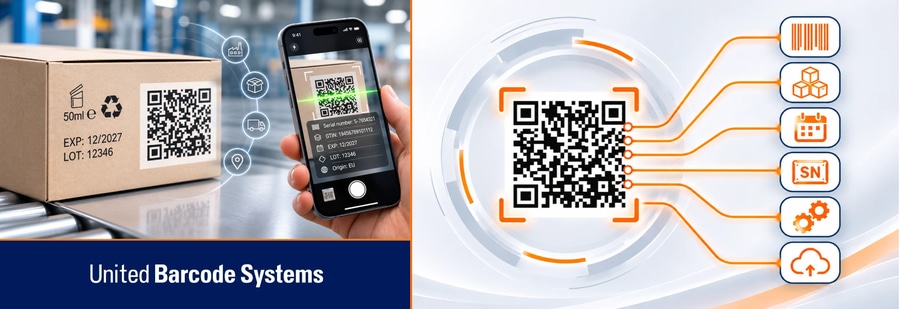
The integration of QR Codes and Data Matrix codes on products and packaging expands identification possibilities in industrial environments. These codes can contain information such as the GTIN, batch number, expiration date, or serial number, facilitating automatic scanning and use in traceability, logistics, and inventory management systems.
However, the transition toward 2D codes raises an important question: what information must remain visible on the packaging, and what data can be included in the code? The answer depends on the type of product, the destination market, and applicable regulatory requirements.
Certain information must remain directly accessible to consumers, operators, or logistics personnel, particularly when it is essential for product use or when regulations require it to be visibly displayed. On the other hand, 2D codes make it possible to manage additional information digitally and facilitate its transmission and processing by compatible scanners and systems.
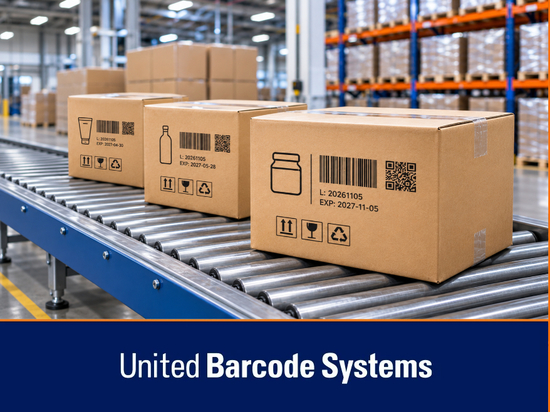
One example is the expiration date or best-before date. In addition to being displayed when required, this information can be included in the code to facilitate the automatic identification of products approaching their expiration date, improve inventory rotation, and streamline the management of potential product recalls. In certain applications, this digitalization can also help reduce food waste.
This evolution is linked to initiatives such as GS1 Sunrise 2027, which promote the adoption of 2D codes in the retail sector. The objective is not simply to include more information in less space, but to improve data availability and utilization throughout the supply chain.
However, to take advantage of these possibilities, it is essential to ensure that the encoded information matches the actual production data. An error in the batch number, date, or identifier can be automatically transmitted to the systems scanning the code, potentially compromising traceability and product control.
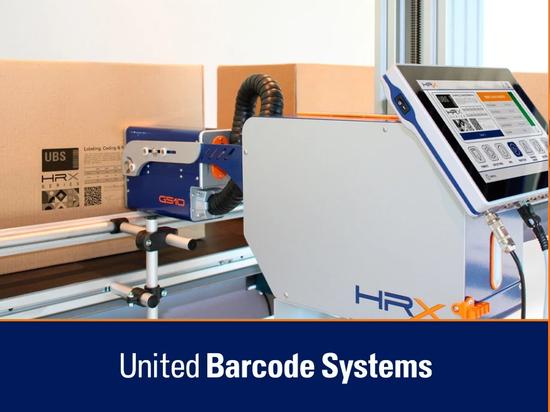
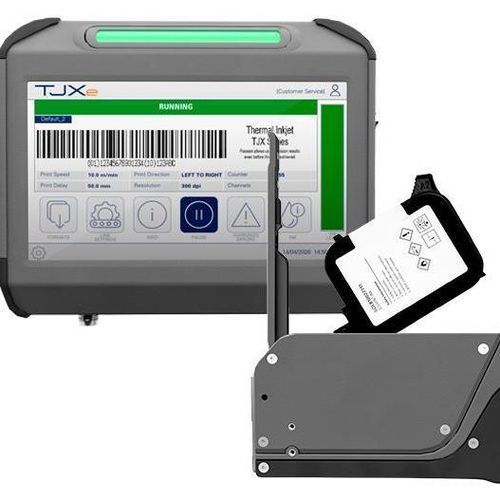
At United Barcode Systems, we develop industrial labeling, coding, and marking solutions tailored to these requirements. APLINK Series systems make it possible to print variable information and 2D codes directly on different surfaces, while APL Series by United Barcode Systems solutions automate label printing and application on cases, packaging, and pallets.
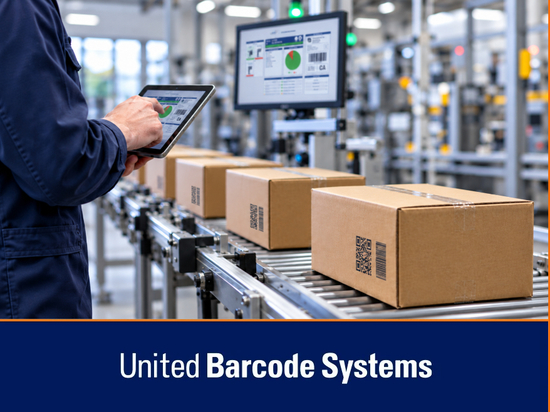
In addition, tools such as UBS DESIGNER simplify the creation and configuration of print messages, while UBS LABMAN enables centralized management of data and equipment, reduces manual intervention, and improves the consistency of information used across each production line.
The transition toward 2D codes is not simply about changing printing technology, but about defining which information must remain visible, which data can be managed digitally, and how to keep these two levels synchronized. Proper integration of these processes helps strengthen traceability and prepare production lines for new identification requirements.
Want to prepare your production line for 2D codes and variable data? Contact our team and discover how to integrate labeling, coding, and data management solutions tailored to your needs.

 鄂公网安备42018502009509号