#Product Trends
Cleaning Reservoirs Without Shutting Them Down
How Sydney Water used robotic cleaning to maintain water quality, reduce waste, and keep supply uninterrupted for over 5 million people.
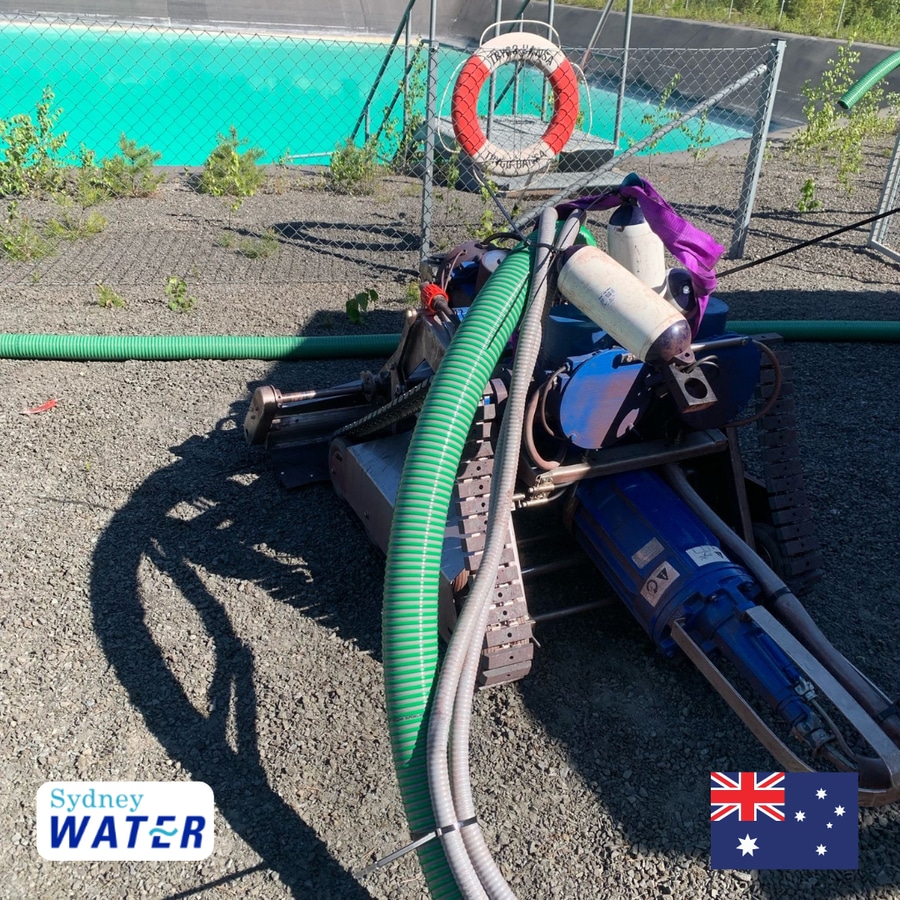
In Australia’s largest metropolitan region, where drinking water reservoirs are critical to public health and urban resilience, Sydney Water carries the responsibility of supplying safe, high-quality water to more than five million people across New South Wales. Many of its reservoirs are open-air, aging, and located near densely populated areas—making sediment accumulation, algae growth, and biofilm a persistent operational challenge.
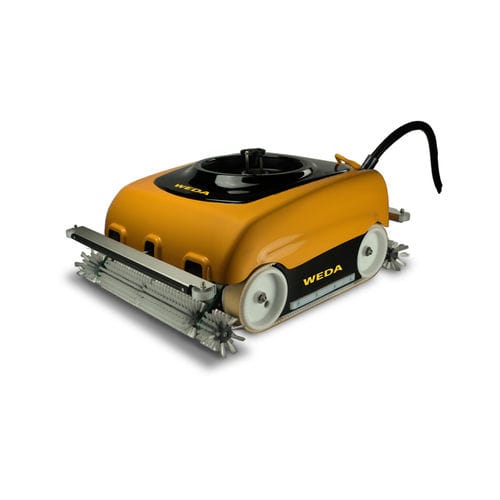
To meet rising regulatory standards and reduce the disruption caused by traditional reservoir maintenance, Sydney Water integrated Weda’s robotic cleaning technology into its asset management strategy. The results were immediate and highly effective.
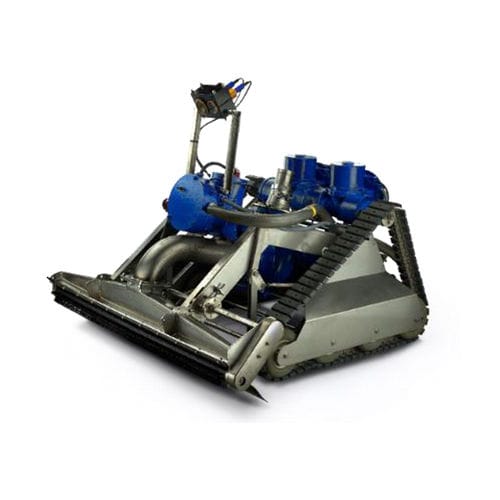
“Weda’s VR-600 gave us a way to clean sediment from drinking water reservoirs without affecting supply.”
— Maintenance Coordinator, Sydney Water
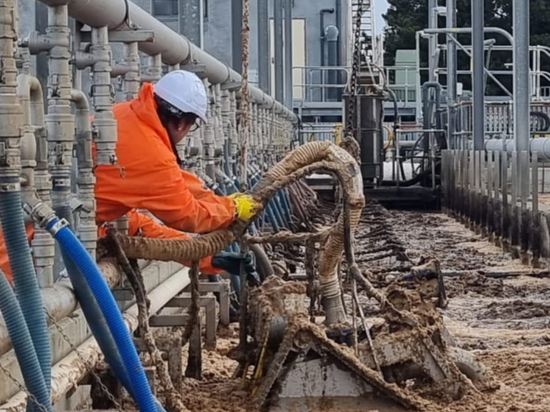
Historically, reservoir cleaning required draining assets, halting water distribution, and wasting significant volumes of treated water. These shutdowns not only increased operational costs but also placed strain on supply continuity in high-demand urban areas. By adopting Weda’s remotely operated VR-600, Sydney Water eliminated the need for drainage while maintaining full service delivery.
The robotic system enables precise sediment removal while reservoirs remain completely full, without disturbing the water column or impacting downstream distribution. This approach minimizes chlorine usage, reduces water loss, and extends the operational life of critical infrastructure—all while ensuring residents continue to receive uninterrupted drinking water.
Today, Sydney Water benefits from cleaner reservoirs, improved water clarity, and greater operational flexibility. The deployment of Weda’s robotic cleaning solution demonstrates how large-scale utilities can modernize maintenance practices, protect public health, and future-proof urban water systems without compromising reliability.